
While preparing my winter, upper-level seminar at Adrian College on American Religion and Antislavery Literature, I came across a powerful essay written in 1693. That’s right: 1693.
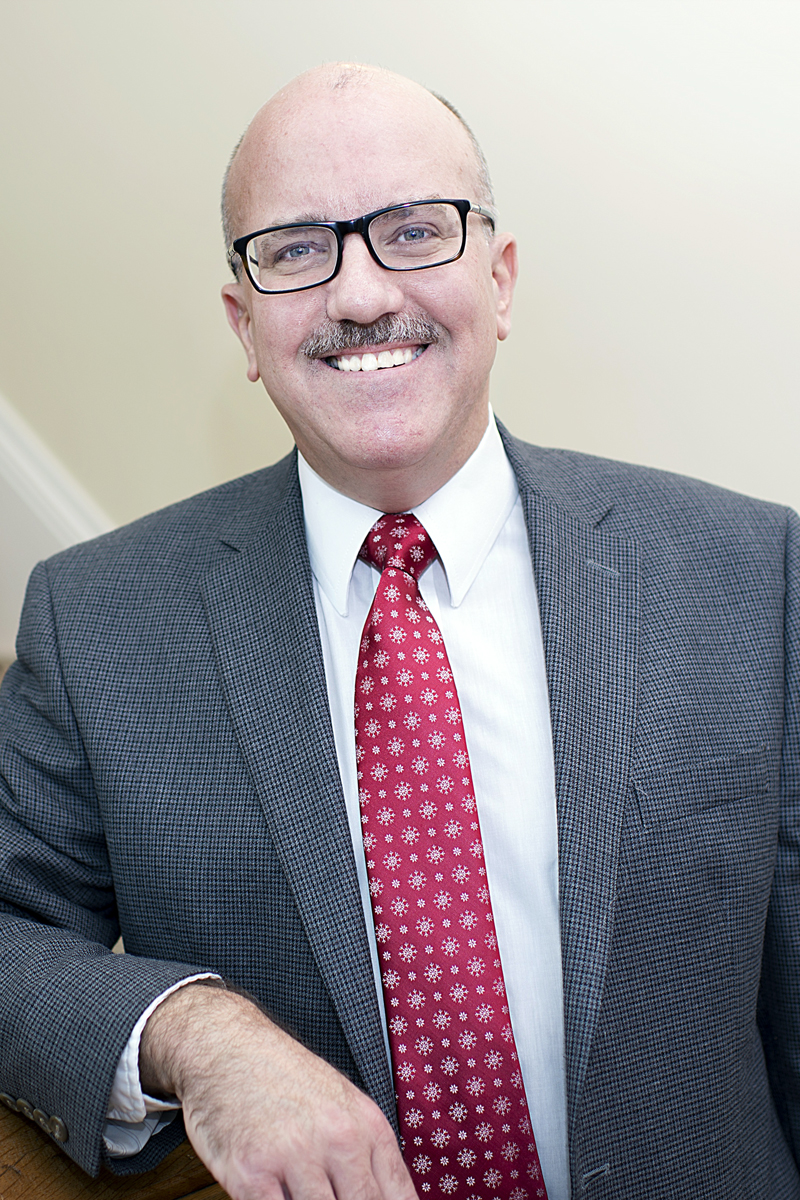
Courtesy photo: The Rev. Christopher P. Momany
This particular statement for love and justice begins with a preface: “Seeing our Lord Jesus Christ hath tasted Death for every Person. . . .” The reference is to Hebrews 2:9, a critical text relating to the doctrine of atonement. It is also a text that has been embedded in Wesleyan theology for centuries. God in Christ came to a broken world, lived, loved, died and rose for each and every person. Period. Many may reject this sacred gesture, but each and every one is valued by a God who turned reality inside out to save.
Do we believe it?
Among the many divides in our culture and in the church is the divide between sound, serious theology and other ideas that pass for theological reflection. Yet we need to put the brakes on our tendency to make assumptions about what that divide means. The present crisis in The United Methodist Church is not over those who value the theological tradition and those who do not. The crisis has more to do with how a variety of positions go about bending theological legacies to support their points of view. But it is far past time for us to admit that the gospel is not about our intramural squabbles. There are much bigger matters at stake.
I am one who cannot breathe without relying on the life, death and resurrection of Jesus. Not as some imaginative symbol of this or that, but as historic redefinition of reality — specifically love in action. To some, that is not enough like their particular litany of doctrinal checkpoints. To others, it is too cerebral, theoretical. Yet I know a lot of people, particularly younger people, who hunger and thirst for a God who writes their names on his heart and who writes the law of love on their hearts.
This kind of theology was the motivating factor behind the Wesleyan/Holiness Movement of the 19th century – a movement which, by the way, affirmed the value of each and every person according to Hebrews 2:9. This movement ordained women long before the cultured, social-climbing interests of mainline Protestantism dared to live equity. This movement embodied a diversity of identities long before more established and privileged church leaders got the memo. Over the years, the Holiness Movement has struggled to maintain its integrity, but many of us are still committed to historic Christian teaching and the absolute equality of persons.
Hebrews 2:9 was heeded later by another movement. Preaching in 1941, Harry Emerson Fosdick of New York’s Riverside Church wrestled with this text to point out the distinction between a faith that embraces democracy and the ideologies of Fascism. Christians were not committed to race or ethnicity or even the nation itself for a sense of meaning. Christians embraced a God in Christ who entered the world to live, love, die and rise for each and every human being on earth.
Do we believe it or not?
Our witness depends upon an answer to this question.
Momany is the chaplain and director of church relations at Adrian College in Adrian, Michigan.
Like what you're reading? Support the ministry of UM News! Your support ensures the latest denominational news, dynamic stories and informative articles will continue to connect our global community. Make a tax-deductible donation at ResourceUMC.org/GiveUMCom.


