
Key points:
- United Methodist leaders in the U.S. promote ideological positions that are often partisan and detract from the denomination’s mission, one longtime church member writes.
- Many of the materials and resources provided by the Board of Church and Society and other entities reflect a “progressive” political viewpoint.
- He says the church’s leaders should do more to support local congregations in making disciples — and stop pursuing political goals.
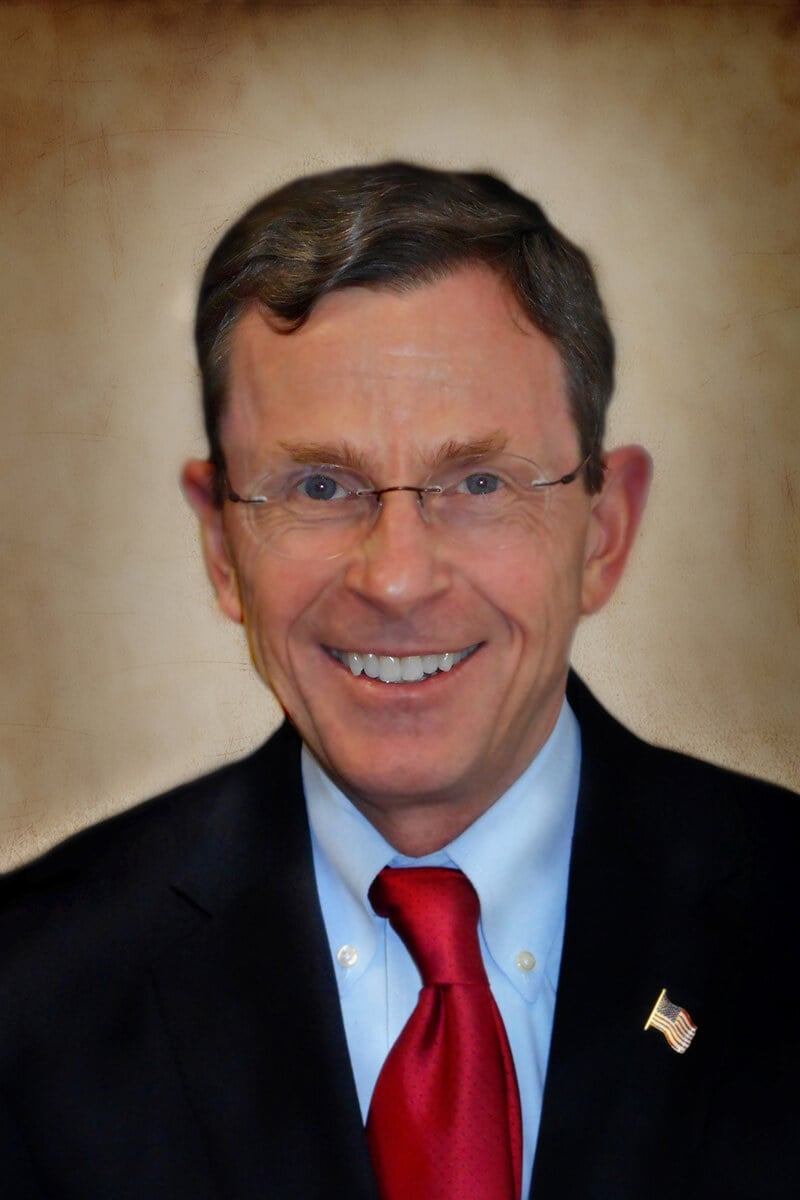
Photo courtesy of the author.
Commentaries
A recent Pew Research report revealed that United Methodism in the United States is in steep decline, with the percentage of the U.S. population who identify as United Methodist dropping nearly by half since 2007.
There are many reasons for this. To help arrest this staggering loss, the church should urgently reverse the rapid secularization and politicization of the national United Methodist Church.
Led by the United Methodist Board of Church and Society, and reflected in many actions of the Council of Bishops, the church in the U.S. has adopted ideological positions that are often outright partisan. These actions hollow out the timeless meaning of church, are not in the mainstream Wesleyan tradition, and detract from the mission of the church to make disciples of Jesus Christ.
Here are just a few of many examples amongst an onslaught of political vituperations that are issued with great frequency::
- In commemorating the first anniversary of the Hamas massacre of innocent Israelis, the Board of Church and Society stated that the “violence did not start in October 2023” and called for an end to United States arms sales to Israel. Apart from the shocking moral equivalence made between terrorists who purposefully murder Jews and the state of Israel, the statements are disturbing because of their political nature. The board also signed a letter in support of partisan legislation to end arms sales that was co-signed by many groups, including the Democratic Socialists of America and groups dedicated to partisan causes. On its website, one of these groups described its mission as “electing the next generation of progressive leaders” and another declared before the November election that “we must stop Donald Trump.”
- Shortly after the last presidential election, the Council of Bishops issued a pastoral letter accusing President Trump of “racist, xenophobic, nationalistic and anti-migrant hate speech” and declared that “our baptismal vow” to “resist evil” compels us to take a number of policy positions, some of which are fuzzy, but all of which seem to pertain to congressional debates over immigration policy.
- On Feb. 4, the Board of Church and Society reiterated its oft-stated position that congressional budget debates boil down to a question of “grace over greed.” The board opposes the Republican-sponsored national defense budget, which the agency suggests “increase[es] threats of war,” and instead urges increases in social spending and advocates for many other positions adopted by the political left. Additional pronouncements have been issued more recently with all of them favoring more spending and less national defense.
Much, if not most, of the materials generated by the board and national leadership, from “Pages for Progress” reading recommendations to social action guides, reflect an entrenched “progressive” political ideology.
Every one of us should be guided in everything we think and do by our Christian faith. But parishioners legitimately apply the lessons of Jesus in different ways and combine faith with their own reasoning in pursuit of different political outcomes.
Related commentary
By using the good name and resources of The United Methodist Church to advance an ideological agenda, the authority of the church is diminished, and we become little different from any other civic, even partisan, organization. The more we act like a secular political group, the more mainline Protestant church attendance can be expected to plummet.
Political ideology has infused the episcopacy of The United Methodist Church. In contrast, local churches focus on helping the needy and spreading the Good News in their communities. The church hierarchy should do more to assist local churches and less to advance narrow political viewpoints. Over the years, the denominational hierarchy has imposed significant hikes in apportionments. In my local church, apportionments now account for 14 percent of our total budget. That deprives local churches of the resources needed to do their good work.
United Methodist Church officials should stop pursuing ideological goals, which exacerbate the divisiveness we see all around us. During these turbulent times, our society desperately needs the reconciling ministry of Jesus Christ. Christian churches should be the instrument of God’s healing instead of a combatant in the political arena.
The good intentions of the United Methodist leadership are not at issue. Rather, the question is the role of the church and how we can make more disciples of Jesus Christ. On our current course, the denomination’s motto of “Open Hearts, Open Minds, Open Doors” is quickly being transformed into a less welcoming recruitment message of “Join the UMC — But Only If You Agree With Our Politics.”
White is an attorney and has been active member of his United Methodist congregation in the Virginia Conference since 1980.
News media contact: Julie Dwyer at (615) 742-5470 or [email protected]. To read more United Methodist news, subscribe to the free UM News Digests.


