
A lone pair of shoes hangs on the power lines high above the city houses, its laces straddling precariously across the street. Passersby may look up and wonder how those shoes got there, but for drug users, they’re a sign of the presence of peddlers nearby.
Substance abuse has become a cause for concern in the Zimbabwe Episcopal Area and The United Methodist Church has launched a campaign against this vice.
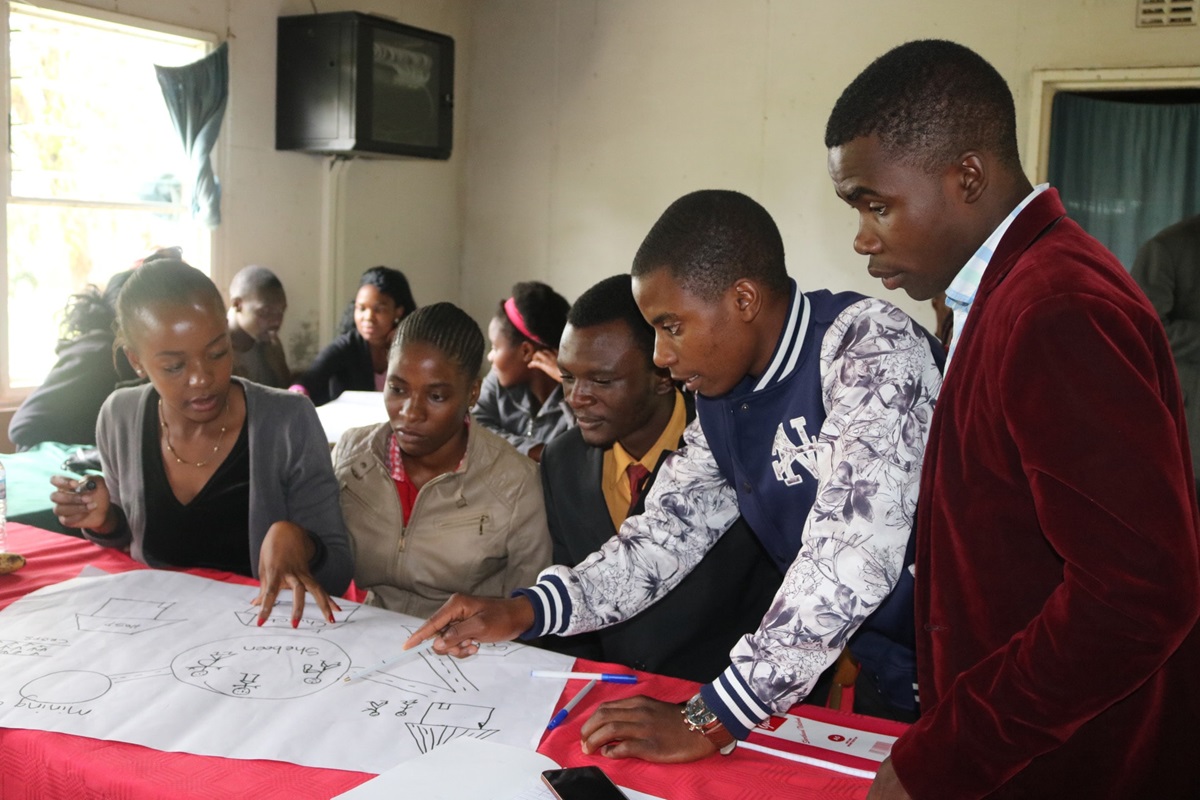
With support from the United Methodist Board of Church and Society, more than 70 United Methodist youth leaders from the Zimbabwe East and Zimbabwe West conferences have been trained to spearhead the fight against drug abuse under the Special Program on Substance Abuse and Related Violence.
The Rev. Pedzisai Nyamudzura, Zimbabwe East Conference youth director, said the program will address issues of substance abuse and violence in the episcopal area.
“The program seeks to challenge the youth and young adults to contribute more meaningfully to society,” said Nyamudzura.
He said the lessons learned would cascade to districts and local churches in order to ensure a drug-free society.
The Rev. Dudzai Mutsikwi, Zimbabwe West Conference youth director, said the problem of substance abuse is a cause for concern in churches in a variety of areas, including farming communities, mining areas, high-density suburbs and rural business centers, where substance abuse is generally prevalent.
“At schools, we have found students with substances which they source from neighboring communities,” Mutsikwi said.
“During church revivals, some youths — both boys and girls — have confessed to having used drugs such as marijuana and repented after prayers,” he said.
Statistics on drug abuse in the country are shocking. The Zimbabwe Republic Police’s Harare Central station deals with more than 100 drug-related cases every month. Between January and December 2015, about 5,500 people were arrested on various drug-related charges.
Tawanda Mafutah, a consultant who teaches about drug and substance abuse, said commonly abused substances include alcohol, cigarettes, marijuana, heroin, cocaine and prescription medicine, such as cough syrups containing codeine.
Other popular substances include skin-bleaching creams and illicit alcohol brews known as “kachasu,” whose alcohol content is unknown but is suspected to be very high. Mafutah said of late there has been an increase of new substances such as “torero,” which is extracted from fluorescent lights.
Bertile Agbor, 24, a Global Mission Fellow from Cameroon who is serving with the Zimbabwe Episcopal Health Board, was one of the youth who attended the training.
“This was a great opportunity for me. It taught me a lot and challenged me to always live a healthy life by staying away from drugs,” she said.
“Knowing that drug abuse is a major problem even in my home country makes me know I have a lot to do as a young person to advocate for a community free from drugs and also share the knowledge I got with other young people to create awareness,” said Agbor.
Peace Kanyongo, 25, a student teacher from Mutare, said the training was enlightening.
“I learned that stress and conflict can lead to drug and substance abuse so they need to be managed properly. It is also possible to have a drug-free environment, but it begins with me and we don’t need too many resources to ensure our communities become drug-free,” said Kanyongo.
“There are many unemployed youths where I live. It is a new suburb and electricity is yet to be installed so there is very little entertainment, and youths end up teaming up to abuse substances. Even opposite the school where I am doing my internship, there is a shebeen (an illegal liquor outlet, usually located in a house),” she added.
The Rev. Vienna Mutezo, Zimbabwe West deputy administrative assistant to the bishop and connectional ministries director, said the church is nurturing the community to be responsible citizens by targeting the youth.
“The SPSARV program would help to support youth to avoid the use of dangerous drugs, as substance abuse would invite other health challenges, such as HIV and AIDS, tuberculosis and cancer,” said Mutezo.
Mazvita Machinga, who provides pastoral care at Africa University and counseling and psychotherapy with a private voluntary organization in Mutare, said she attends to at least 10 people a month who are referred to her for excessive alcohol intake.
There are currently no drug rehabilitation centers in Zimbabwe, and those suffering from substance-induced psychosis are admitted to psychiatric hospitals that do not offer a comprehensive care and support package. Addicts who can afford foreign treatment are referred to neighboring South Africa.
“I have seen high school students from as young as 16 years and those in colleges who are just getting into abuse. All tertiary institutions have challenges as students are not drinking responsibly, resulting in substance abuse and addiction,” said Machinga.
“We are trying to catch them while they are still using before they reach the abuse, dependency and addiction stages. Unfortunately, most are referred when they are addicted and we provide recovery using an outpatient program,” she added.
Chikwanah is a communicator of the Zimbabwe East Conference.
News media contact: Vicki Brown at (615) 742-5470 or [email protected]. To read more United Methodist news, subscribe to the free Daily or Weekly Digests.
Like what you're reading? Support the ministry of UM News! Your support ensures the latest denominational news, dynamic stories and informative articles will continue to connect our global community. Make a tax-deductible donation at ResourceUMC.org/GiveUMCom.


