
The lack of sound maternal health facilities at satellite clinics around the Nyadire, Mutambara and Old Mutare mission hospitals in Zimbabwe is hampering the fight against maternal deaths, according to a senior nursing officer.
The Zimbabwe Episcopal Area has 12 clinics, three hospitals and two dental clinics. All of the facilities handle maternal and child health issues.
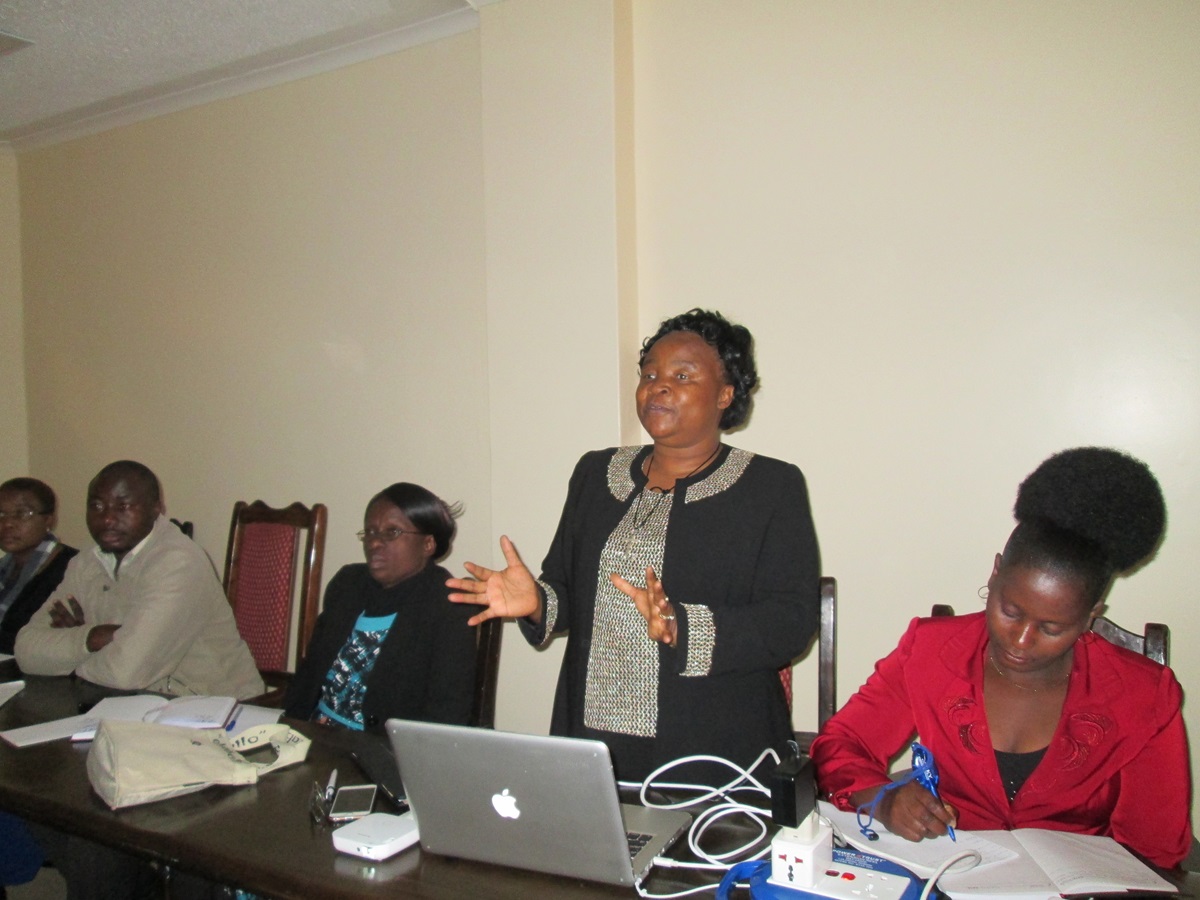
Speaking during a one-day maternal and child heath workshop in Harare in June, Netsai Ndlovu — sister-in-charge at Nyadire hospital — said poor maternal facilities at most of these clinics are a cause for concern.
“We have problems at our clinics where our staff cannot accommodate the expecting mothers due to (the) unavailability of maternal facilities,” she said.
Although the hospitals have qualified staff, she said, some referrals are delayed due to poor networking between the clinics and hospitals.
“The referrals that we receive from the local clinics are not always made in time,” Sister Ndlovu said, adding that the hospitals do not have enough ambulances to handle multiple referral cases at the same time.
She said in most cases, either the mother or child has died from complications due to the delays made during referrals.
“Most of the deaths that we have recorded so far are a result of complications due to delays. One such case was when a woman had to spend the whole night in labor at one of our clinics, only to be referred to Nyadire hospital the next day with serious complications. When she arrived, she delivered a baby who only survived for a few hours.”
Sister Ndlovu also bemoaned the conduct of some home-based maternal caregivers, saying they did not want to work with her staff, causing delays and complications to the expecting mothers.
Some improvements
With assistance from The Nyadire Connection, a nonprofit organization founded by a group of United Methodists in Pittsburgh, Pennsylvania, the church is expanding and upgrading the buildings at Nyahuku Clinic. The improvements at the satellite clinic of the United Methodist Nyadire Mission will help meet the demands of the 14 villages in the area.
The connection already has upgraded the Chikwizo Clinic and plans to improve four other clinics operated by the mission hospital, for a total of six clinic renovations. Both of the renovated clinics have “waiting mother” homes so that pregnant women can stay at the clinic to await delivery of their baby, which reduces the chances they will deliver before they can reach the clinic or a hospital.
The maternal mortality ratio in Zimbabwe was 470 per 100,000 live births in 2013, according to WHO, UNICEF, UNFPA and The World Bank estimates. While that represents a 10 percent decrease between 1990 and 2013, progress has been slow.
United Methodist regional missionary Grace Musuka, who organized the conference, called on all Zimbabwe Episcopal Area members to help raise funds for the health institutions to improve care.
“We need to work together in mobilizing resources for the fight against maternal deaths at our hospitals as a church. As a church, we remain a concerned party as maternal death is not discriminatory but requires our efforts in eliminating it,” she said.
Although the government has put in place some measures to reduce maternal deaths in the country, she said, several challenges continue to affect the initiative.
“As a result of the non-performing economy, government is facing challenges in stocking enough drugs, availing transport, hospital equipment and shortage of manpower, among other things,” Musuka said.
She also noted that the church should take advantage of alternative donor funding opportunities.
“As we focus on mobilizing resources locally, there is need to cast our efforts wider, reaching to the global partners in sourcing the resources for our institutions.”
Chingwe is the Zimbabwe East Conference communicator. News media contact: Vicki Brown, news editor, [email protected] or 615-742-5469.
Like what you're reading? Support the ministry of UM News! Your support ensures the latest denominational news, dynamic stories and informative articles will continue to connect our global community. Make a tax-deductible donation at ResourceUMC.org/GiveUMCom.


