
“I wouldn’t have known who I am if not because of this orphanage.”
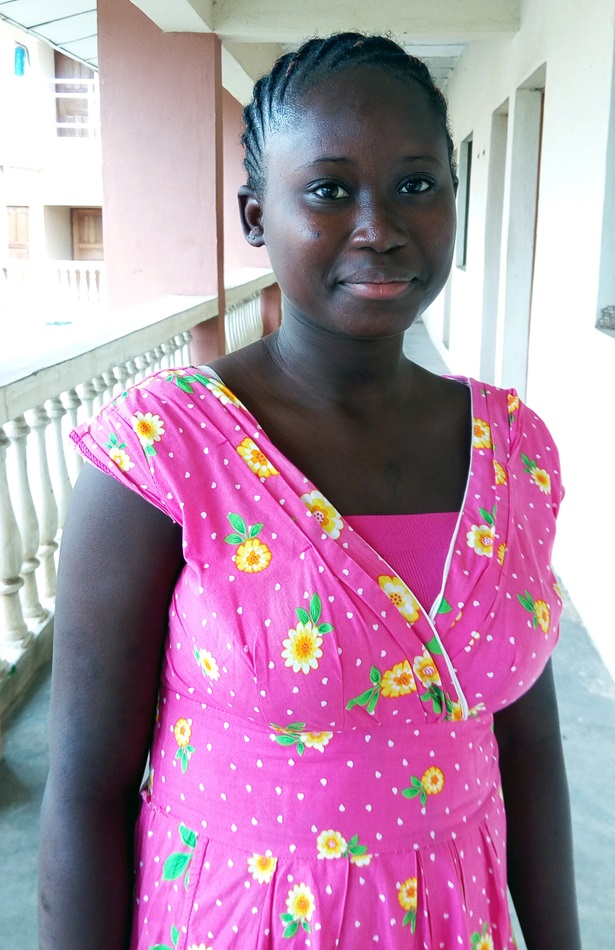
That is how Athanweh Sau, a 17-year-old high school girl who was taken to the United Methodist Orphanage in Jalingo at the age of 3, explains her feelings about the orphanage. Now she dreams of helping others, especially children, by becoming a doctor.
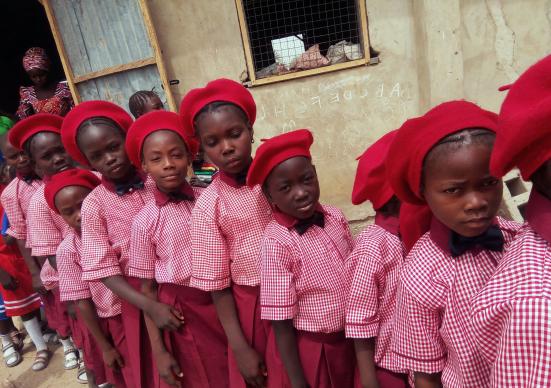
Athanweh Sau’s story is the same as that of many many children who have lived or continue to live in the Jalingo orphanage. The orphanage recently celebrated the accomplishments of its residents at a high school graduation ceremony.
A Good Samaritan found Athanweh on the streets of Kona after both parents died of unknown causes and took her to the orphanage.
Quick look at Nigeria
* Nigeria’s population is projected to grow from more than 186 million in 2016 to 392 million in 2050, which will make Nigeria the world’s fourth most populous country.
* Life expectancy: 53.4 years
* Ages of population:
42.54%
19.61%
30.74%
3.97%
65 and older: 3.13%
* Religions: Muslim 50%, Christian 40%, indigenous beliefs 10%
Left alone, she begged for food and slept anywhere in the market square. Different dangers lurked, including the threat of kidnapping, until she was rescued and taken to the orphanage.
There, she received health care and was put on a balanced diet to improve nutrition. She was enrolled in the nursery and primary school programs run by the orphanage. She now is in her final year of high school.
“Left as an orphan, I would have not survived if not for the timely intervention of the United Methodist Church orphanage who accepted me here 14 years ago and offered me hope in midst of my hopelessness,” Athanweh said.
“I have been offered a good foundation both spiritually and academically. I have a dream of becoming a medical doctor. I hope to spend my career working for the downtrodden, most especially the orphans.”
The orphanage, which is in Taraba State in northeastern Nigeria, was commissioned in 2007, although it was founded in 1999. A partnership between the Nigeria Conference and four U.S. conferences began the effort.
The orphanage ultimately became a project of the U.S. Great Plains Conference, which took on raising money to cover the cost of running the orphanage and the annual cost of $2,000 per resident a year.
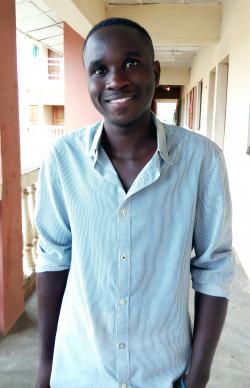
Eighteen-year-old Joseph Sunday, who also was raised at the orphanage, said the orphanage has taught him about love.
“At the orphanage I learned about the love of God. I was taught God loves me despite the fact that I don’t have earthly parents. As an orphan, I grew up at the orphanage having many brothers, sisters, fathers and mothers who took me in 16 years ago, making me what I am today. At the orphanage, I was offered good education, good home and good shelter. I am now in my last year in high school. I am very grateful to God.”
how to help
You can support the orphanage by giving to Advance #3021070.
In Nigeria, conflict and increasing numbers of teenage pregnancy have left many orphans. More than 189 from infants to age 22 live there today.
In June of 2014, two new classrooms were added to the orphanage and the first group of orphans graduated from the secondary school on Nov. 1, 2015.
The children learn different skills such as tailoring, shoe-making, soap-making and catering to enable them to be self-supporting when they leave the orphanage.
“The orphanage has been a great source of hope for many children that do not have parents,” said Simon Benjamin, the orphanage coordinator. “The growing rate of teenage pregnancy in our communities is responsible for many abandoned children.
“These abandoned children are admitted into the orphanage and are given the opportunity to be useful members of the society.”
Emmanuel is the conference secretary for the Southern Nigeria Conference.
News media contact: Vicki Brown at 615-742-5470 or [email protected]. To read more United Methodist news, subscribe to the free Daily or Weekly Digests.
Like what you're reading? Support the ministry of UM News! Your support ensures the latest denominational news, dynamic stories and informative articles will continue to connect our global community. Make a tax-deductible donation at ResourceUMC.org/GiveUMCom.


