
United Methodist leaders are making plans for the churches to act as a unifying force in Kenya after the country’s Supreme Court on Sept. 1 nullified the results of the Aug. 8 presidential election.
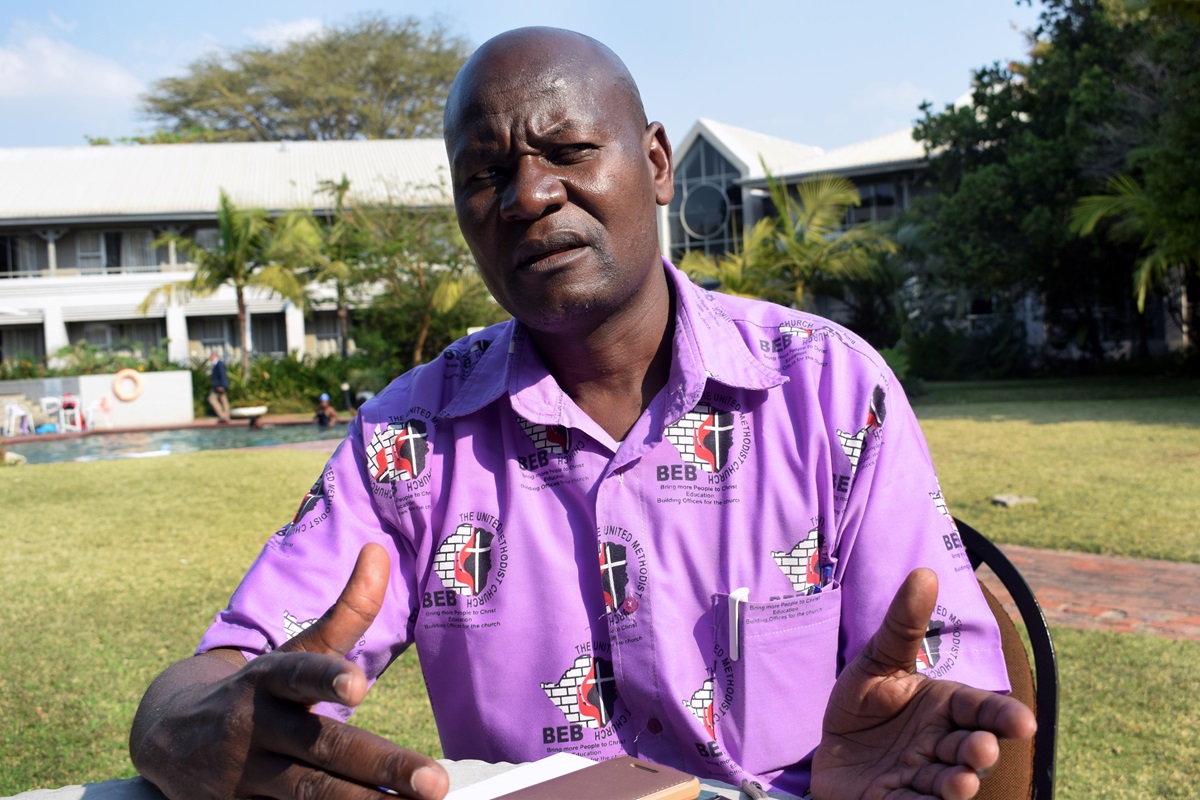
“The church will be a bridge for crossing tribal divisions and uniting the nation under the body of Christ, which is one entity,” said Thomas Kemper, top executive of the United Methodist Board of Global Ministries.
“We have to encourage people to get involved in politics and make a conscious and informed vote in the re-run of the elections,” he said.
But, Kemper pointed out, “It is also important to educate people that the election is not the most important thing in their lives. This will help the Kenyans put things into perspective and help promote more peaceful elections next time.
“The real reign is with God, not Raila Odinga or Uhuru Kenyatta. People have political opinions and can express them through voting but this is not the end. There is more to life.”
Kenya-Ethiopia was formed as an annual conference of the East Africa Episcopal Area of the United Methodist Church by action of the 26th session of the East Africa Conference last year. In addition to Kenya-Ethiopia, the East Africa Episcopal Area of The United Methodist Church is now composed of three other annual conferences: Burundi, Uganda/South Sudan, Kenya-Ethiopia and the Rwanda provisional conference. The Kenya-Ethiopia annual conference reported that it had 49 organized churches and 17,537 professing members in 2015 but it did not break down the numbers between the two countries.
The Rev. Wilton Odongo, superintendent of the Nairobi District, said the church is encouraging voters to maintain peace and not join protest groups that might incite violence.
“We are spreading the message of peace and using all forums to promote peaceful elections,” Odongo said. “We must not divide our country along ethnic groups. We live in the same communities and do everything together. We just want the electoral process to be transparent, credible and peaceful.”
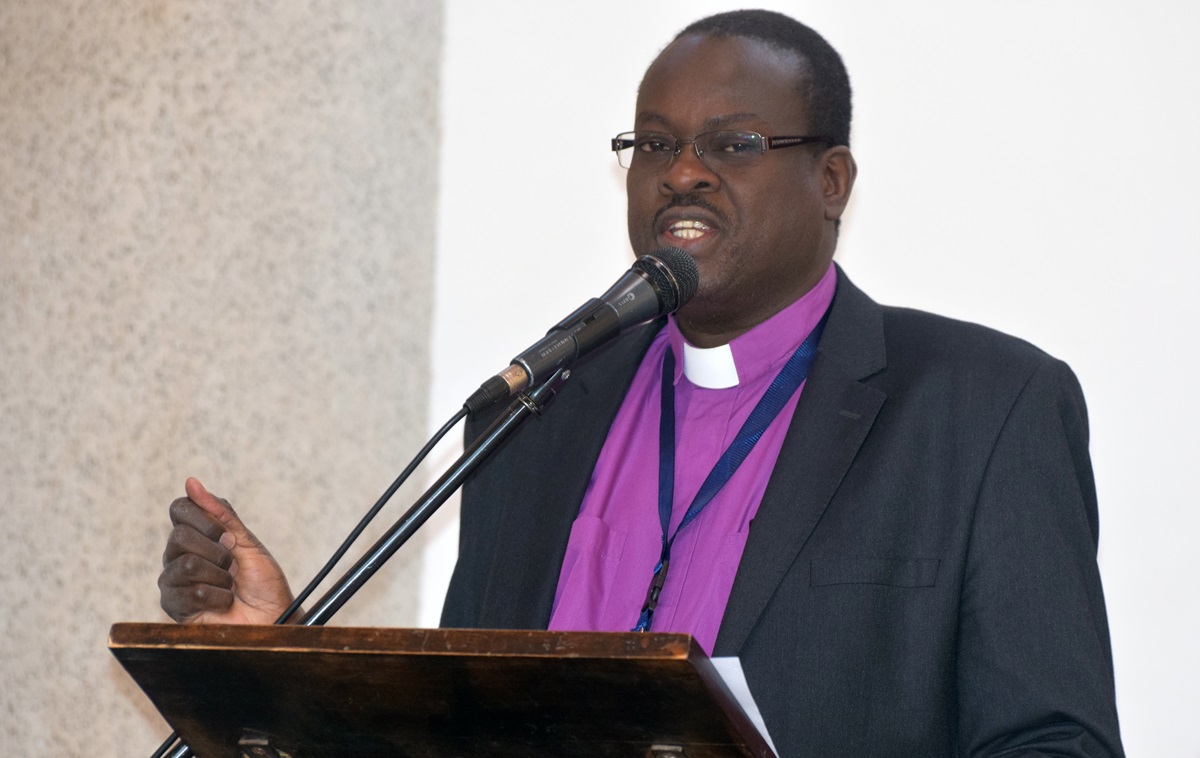
Bishop Daniel Wandabula of the East Africa Episcopal Area said the church will promote peace in Kenya by praying, fasting and preaching the message of love, peace and justice.
“Elections have to be free and fair. The Kenyan leaders have to do the right thing and take the nation forward,” said Wandabula.
“The nation of Kenya is now mature and they have shown that to the world. We believe that the upcoming elections will be peaceful and the people will speak through the ballot,” said the bishop.
“It is my prayer that this time the electoral commission will do its job in a transparent manner and the voters will accept the outcome,” he said.
The World Factbook reports religious affiliation breakdown in this nation of 47.6 million as: Christian, 83 percent (Protestant 47.7 percent, Catholic 23.4 percent, other Christian 11.9 percent); Muslim, 11.2 percent; Traditionalists, 1.7 percent; other, 1.6 percent; none, 2.4 percent; unspecified, 0.2 percent, based on 2009 estimates.
“Kenya has experienced dramatic population growth since the mid-20th century as a result of its high birth rate and its declining mortality rate. More than 40 percent of Kenyans are under the age of 15 because of sustained high fertility, early marriage and childbearing, and an unmet need for family planning. Kenya’s persistent rapid population growth strains the labor market, social services, arable land, and natural resources,” the Factbook also reports.
The Sept. 1 nullification of the presidential election of President Uhuru Kenyatta was believed to be a first on the African continent. The court ordered a new election within 60 days.
Chikwanah is a communicator of the Zimbabwe East Annual Conference. News media contact: Vicki Brown, news editor, [email protected] or 615-742-5469.
Like what you're reading? Support the ministry of UM News! Your support ensures the latest denominational news, dynamic stories and informative articles will continue to connect our global community. Make a tax-deductible donation at ResourceUMC.org/GiveUMCom.


