Church leaders in Baltimore are urging United Methodists to resist “reactionary responses” to President Donald Trump’s disparaging tweets about their beloved city.
“Prophetically choose: Community over Chaos (Jeremiah 29:7); Courage over Cowardice (2 Timothy 1:7) and Calling over Conflict (Luke 4:18),” said the bishop and Baltimore District superintendent in an emailed newsletter posted July 30.
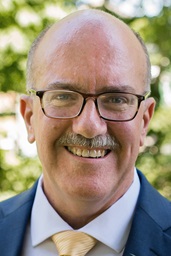
Baltimore-Washington Conference Bishop LaTrelle Miller Easterling, and the Rev. Wanda Bynum Duckett, superintendent, Baltimore Metropolitan District, stepped back from what they called the president’s “disparaging and one-side characterization” of their annual conference to speak with peace, pride and respect of their home.
“As is our biblical mandate, we pray for President Trump and all of our elected officials,” write the two leaders. “However, we are convinced that we must not rest in a place of offense—or even defense—over the comments made by the president about Baltimore.”
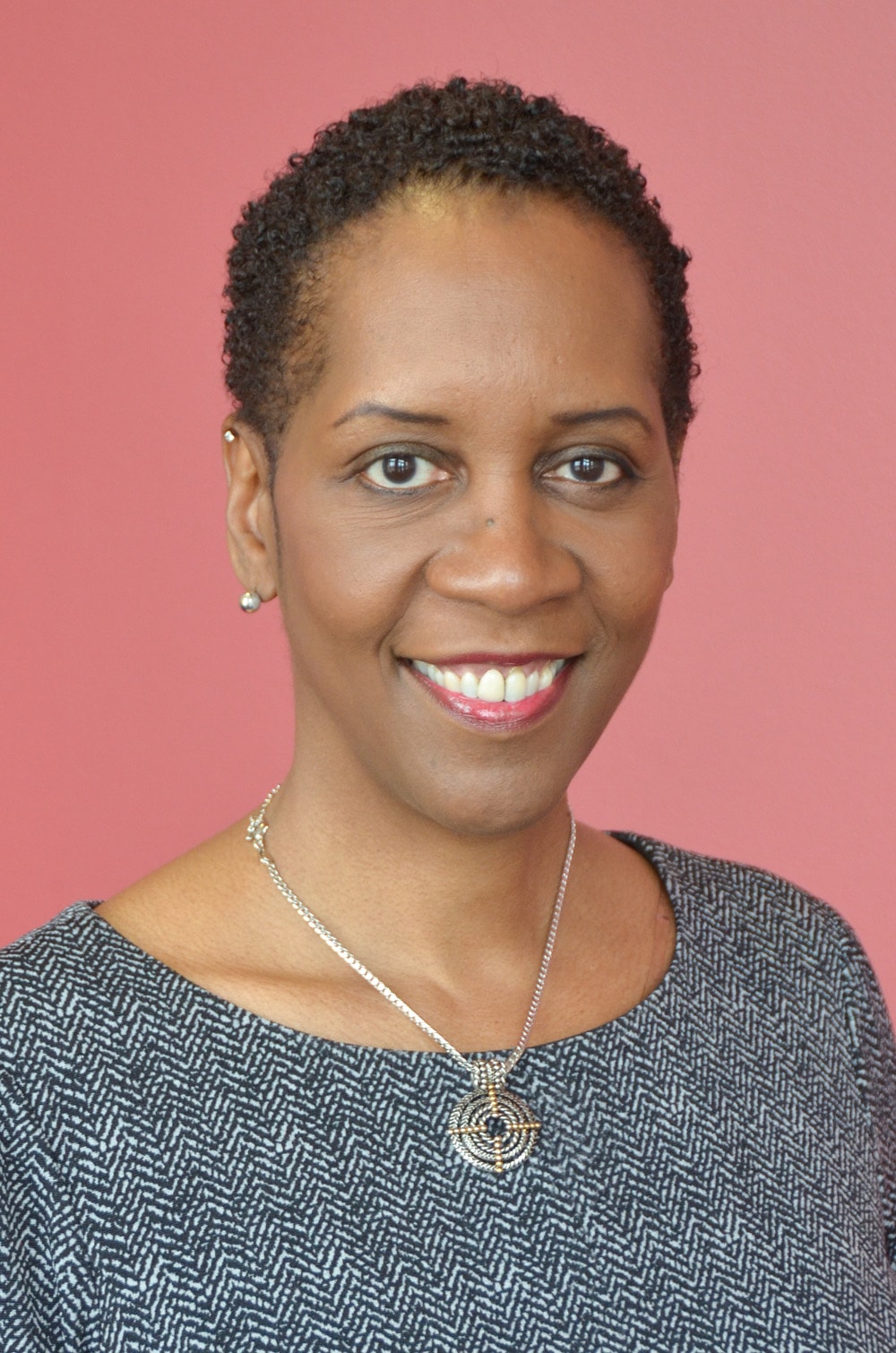
The Rev. Wanda Bynum Duckett, superintendent, Baltimore Metropolitan District.
Photo courtesy of the Baltimore-Washington Conference.
Trump tweeted that Baltimore was a “disgusting, rat and rodent infested mess” and he lashed out against U.S. Rep. Elijah Cummings of Maryland.
The remarks are “a strategic diversion from a plethora of critical conversations around race and class disparities in this country, and an unfair attack on a public servant who has the character, track record, and integrity to lead locally and nationally,” the statement from the Baltimore-Washington Conference said.
Bishop Ernest S. Lyght, retired, and Bishop Kenneth H. Carter, president of the United Methodist Council of Bishops and leader of the Florida Conference, also defended Cummings and Baltimore in Facebook posts.
“The presidential comments about an honorable congressman and a major northeastern city are rooted in a cynical desire to divide us along racial lines. They use a role granted for the purpose of serving an entire people for white privilege,” wrote Carter. “If you are a white person reading this and you find it troubling, I ask you not to write me, but to contact a friend who is black and ask them, ‘What did you hear in this?’”
Carter also said it would be easier to be silent but “silence can contribute to the harm.”
Lyght wrote, “Baltimore, in spite of its foibles . . . has a special place in my life.” He said he, his father and three siblings all received an excellent education from Morgan State University and he cited Johns Hopkins Hospital as a leading medical institution in the heart of Baltimore that played a major role in his quest for good health.
“No city, town, village or region in the United States is void of economic and social problems,” Lyght wrote. “Federal, state and local governments working together can bring about positive change for the good of the people. The POTUS is in a key position to lead all government entities in a cooperative effort for the betterment of our communities and neighborhoods.”
Baltimore is not a city to pity, but one to celebrate, wrote Duckett and Easterling.
“As followers of a Christ who spoke truth to power and held both religious and political leaders accountable for the care for all God's people, we likewise must speak out against injustice in all of its forms. This is the prophetic work to which we are all called, regardless of personal or political leanings. And, we must work to ensure a brighter future for all of God's people. We hope you will join us.”
Gilbert is a news writer for United Methodist News Service. Contact her at (615) 742-5470 or [email protected]. To read more United Methodist news, subscribe to the free Daily or Weekly Digests.
Like what you're reading? Support the ministry of UM News! Your support ensures the latest denominational news, dynamic stories and informative articles will continue to connect our global community. Make a tax-deductible donation at ResourceUMC.org/GiveUMCom.