
A large meeting of centrist and progressive United Methodists from the U.S. is set for May 20-22 at the United Methodist Church of the Resurrection in Leawood, Kansas.
The question to be asked is a big one: What should become of The United Methodist Church?
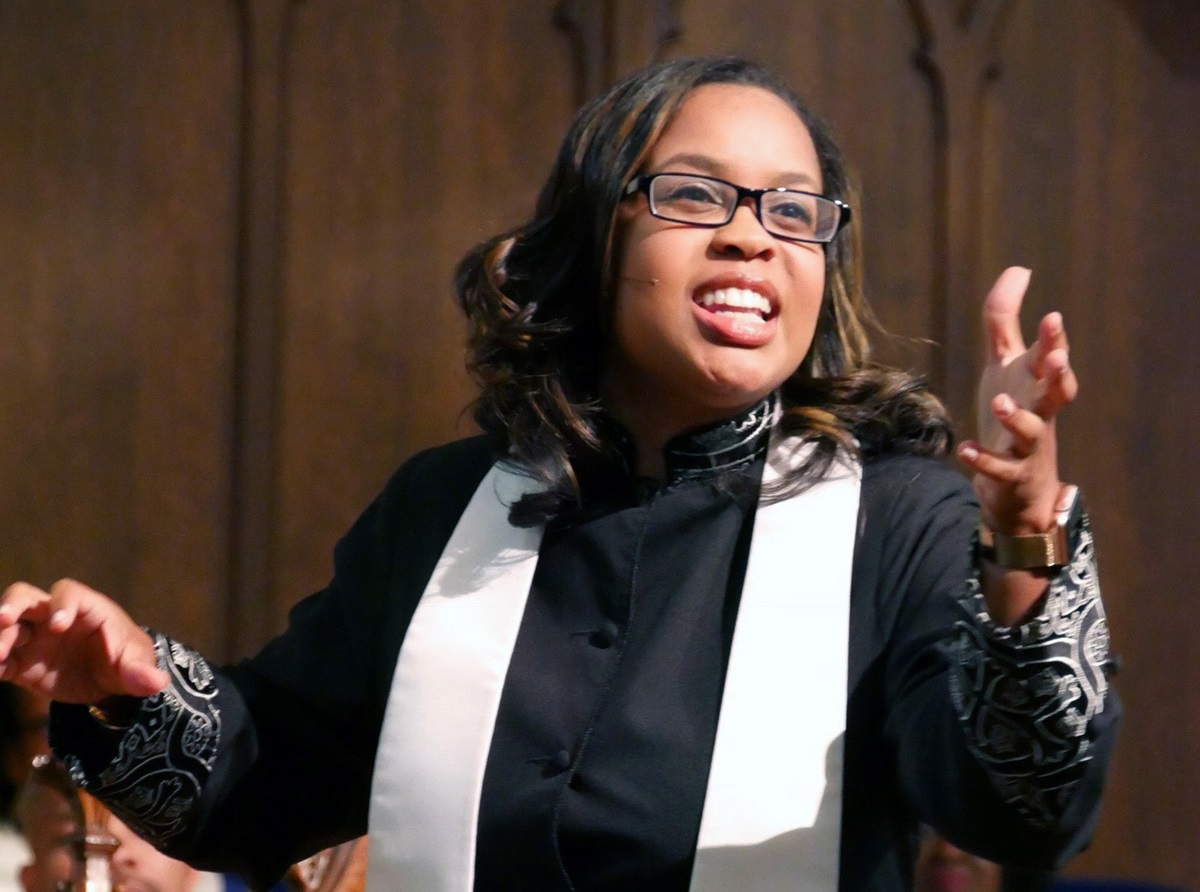
“We hope that this will be a diverse group of leaders who will help shape Methodism’s future and whatever comes out of those conversations will be our next steps and strategies moving forward,” said the Rev. Jasmine Smothers, lead pastor of Atlanta First United Methodist Church.
Specific options to be considered include breaking up the denomination or creating a financially smooth exit plan for traditionalist-minded congregations, said the Rev. Adam Hamilton, another organizer, in a blog post.
By a vote of 438 to 384, the 2019 General Conference passed the Traditional Plan, which retains church policy that the practice of homosexuality “is incompatible with Christian teaching” and strengthens bans against same-sex unions and ordination of “self-avowed practicing” gay clergy.
The constitutionality of the legislation will be reviewed by the Judicial Council later this month. But the vote by General Conference, which met Feb. 23-26 in St. Louis, has been greeted with dismay and resistance by many moderate and progressive United Methodists.
Some who had supported the One Church Plan, which would have given conferences and churches leeway on ordination and same-sex unions, have begun to question openly whether the denomination should or can hold together.
Smothers joined Hamilton, North Texas Conference Bishop Mike McKee, North Georgia Conference Bishop Sue Haupert-Johnson, Discipleship Ministries top executive the Rev. Junius Dotson and the Rev. Tom Berlin in convening a series of “UMC-Next” meetings.
The first was in Dallas on March 27 and the second was in Atlanta on April 4. They each lasted six hours and involved about 70 people total, including bishops other than McKee and Haupert-Johnson.
Retired Bishop Janice Huie and the Rev. Gil Rendle, a popular consultant and author on church leadership, facilitated the meetings.
The meetings were closed. Smothers said she did not have permission to share names of those attending.
Hamilton said the groups were racially mixed and included LGBTQ voices as well as representatives of small and large churches.
“They came from different places but what united them was their opposition to the decisions made at General Conference,” he said in his post.
Getting on the list
Smothers and Hamilton said the Dallas and Atlanta gatherings led to the decision to have the May 20-22 meeting, expected to draw about 600 people.
Ten representatives from each of the 54 U.S. annual conferences will be invited, as well as active U.S. bishops and top executives of church agencies.
In his blog post, Hamilton sketched two main options, assuming the Traditional Plan is retained by General Conference 2020.
One would have centrists and progressives leaving to form a new denomination, a process Hamilton said would need cooperation from traditionalist groups and would likely involve dissolving The United Methodist Church into “two or three new Methodist bodies.”
That would be a lengthy and legally complicated process, Hamilton acknowledged.
A second would involve centrists and progressives staying in The United Methodist Church and supporting a financially-smooth “gracious exit” for traditionalist congregations wishing to form their own denomination, Hamilton said.
The UMC-Next discussions are among many that are occurring around the church, given the clear division over how accepting to be of homosexuality.
The Rev. Keith Boyette, president of the Wesleyan Covenant Association, said recently that he and other Traditional Plan advocates have been talking to key supporters of the One Church Plan about the denomination’s future.
In some parts of Europe, United Methodists unhappy with passage of the Traditional Plan have met to consider options.
Dotson led the Atlanta gathering in worship, noting divisions in the early church and echoing Paul’s call for a reliance on God.
“We don’t know the exact nature of Paul’s trouble but we know he made it through!” Dotson said, according to a press release. “In the midst of change, what lies before us is an ocean of opportunity.”
Hodges is a Dallas-based writer for United Methodist News Service. Contact him at 615-742-5470 or [email protected]. To read more United Methodist news, subscribe to the free Daily or Weekly Digests.
Like what you're reading? Support the ministry of UM News! Your support ensures the latest denominational news, dynamic stories and informative articles will continue to connect our global community. Make a tax-deductible donation at ResourceUMC.org/GiveUMCom.


