
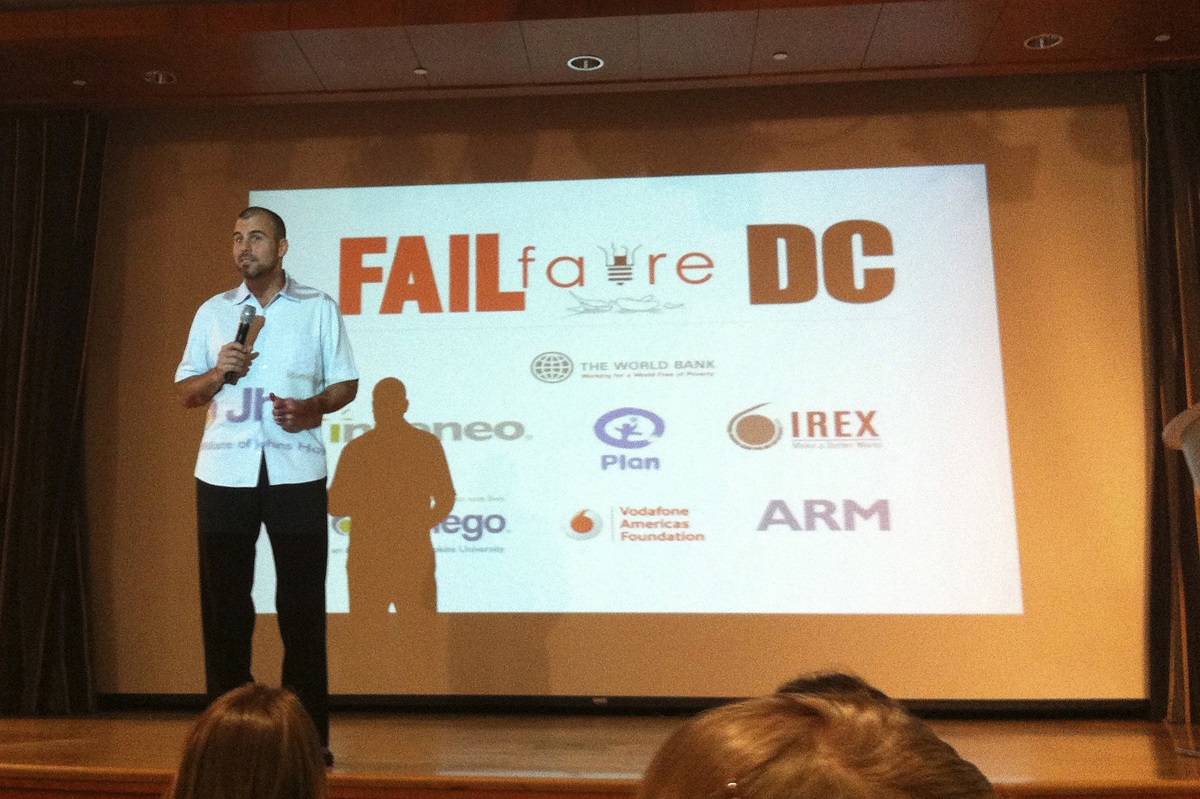
United Methodist Communications will host the Game Changers Summit Sept. 3-5, 2014, in Nashville, Tenn. The conference will demonstrate how information and communications technology (ICT) can be used to improve all facets of life. The focus? Helping parts of the world left behind by the technological revolution, to solve problems in education, wellness and community development with cutting-edge communications tools. This article series will spotlight some of the speakers and panelists participating in the Game Changers Summit.
Wayan Vota feels that if you want to help advance technology in developing countries, the last thing you should do is donate your used computer.
Wait – what???
Donating computers “sounds nice until you realize that a donated computer is an albatross in a lot of communities. They’re expensive to operate regularly because of the cost of electricity and the lack of local support to maintain the systems,” says Vota, co-founder of Kurante, a consulting firm helping organizations use technology to improve development outcomes.
Vota likens the practice of donating computers to a program once devised by a world relief agency to provide African farmers with tractors.
“Six months later there are rusting tractors in fields across Africa. Why? The farmers had no experience with tractors, there were no trained tractor repairmen in the area … and very few petrol stations in the area,” Vota says.
“You have to be very clear if you’re in the mindset to give something. The test should be would you rather have the item or the cash instead?” In the case of the African farmers, cash to buy an ox was more useful than being given a tractor.
Though he encourages proper applications when engaging in technology for development, Vota finds technology as vital as food and shelter in helping communities develop long term.
“The first thing that happens in any major disaster or event is people want to call home,” he says. “Have a disaster in the U.S. and don’t let anyone use their cell phones — you’d have mass protests and fights breaking out. We expect to be able to communicate instantly; why would we expect any less in any other country?”
Vota is one of a panel of speakers at the upcoming Game Changers Summit, and he’s excited to be among peers.
“It’s going to be one of the highlights of my year, and I’m in this field! For someone who is looking at how to do development better, or how to utilize tech for development, this is an opportunity for them to connect with the brightest minds in the field.”
*Butler is a multimedia editor/producer for United Methodist Communications.
Be a game changer! Register for the Game Changers Summit, Sept. 3-5, 2014.
Like what you're reading? Support the ministry of UM News! Your support ensures the latest denominational news, dynamic stories and informative articles will continue to connect our global community. Make a tax-deductible donation at ResourceUMC.org/GiveUMCom.


