
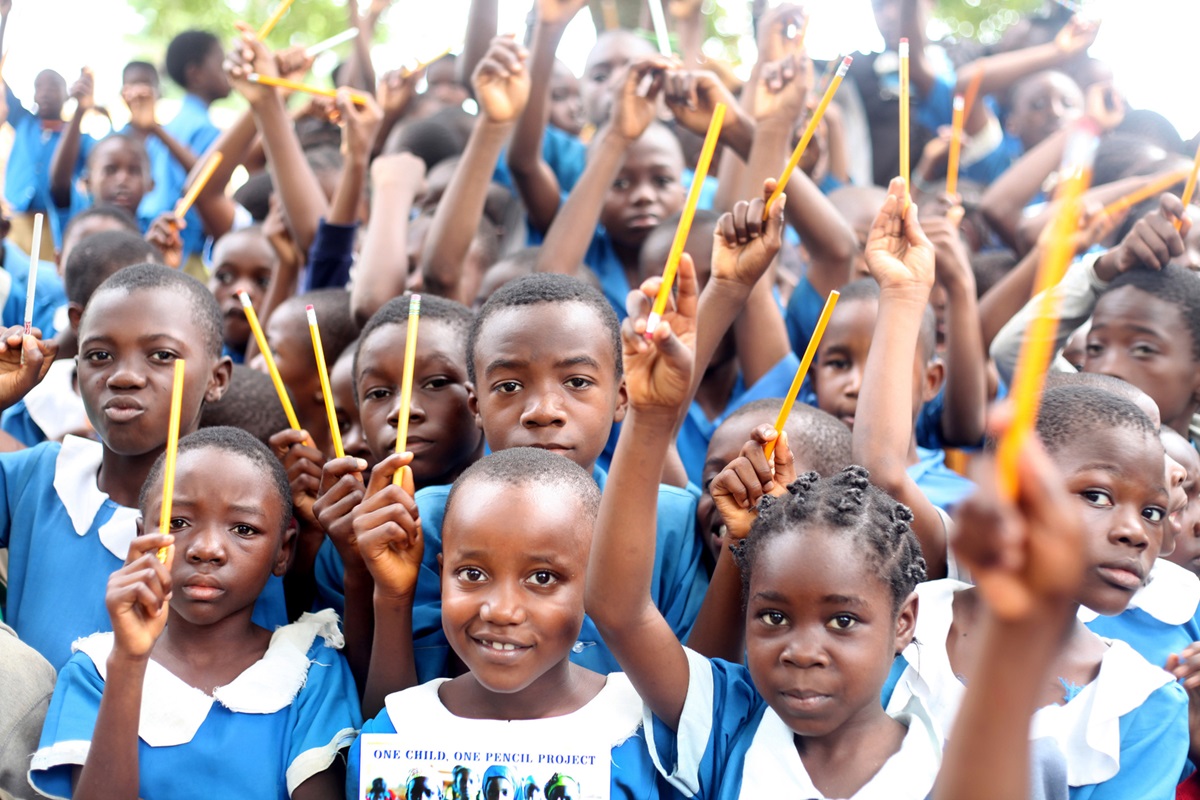
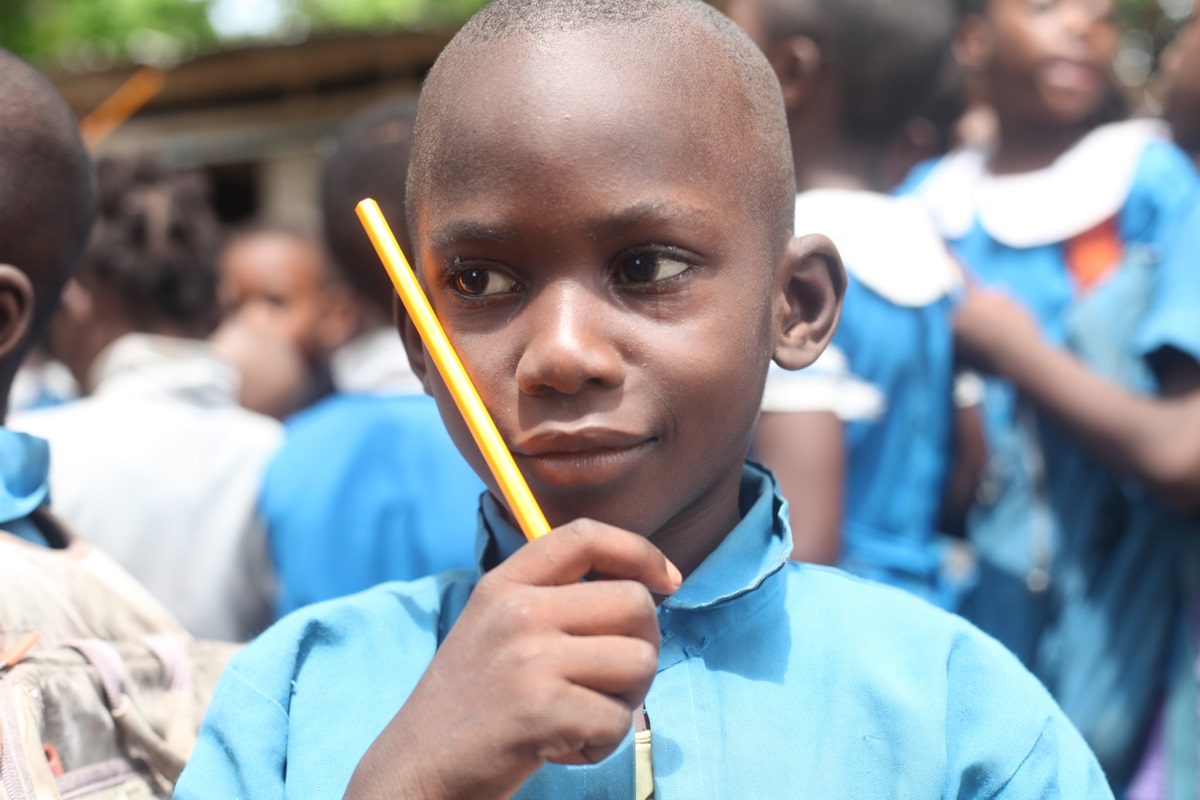
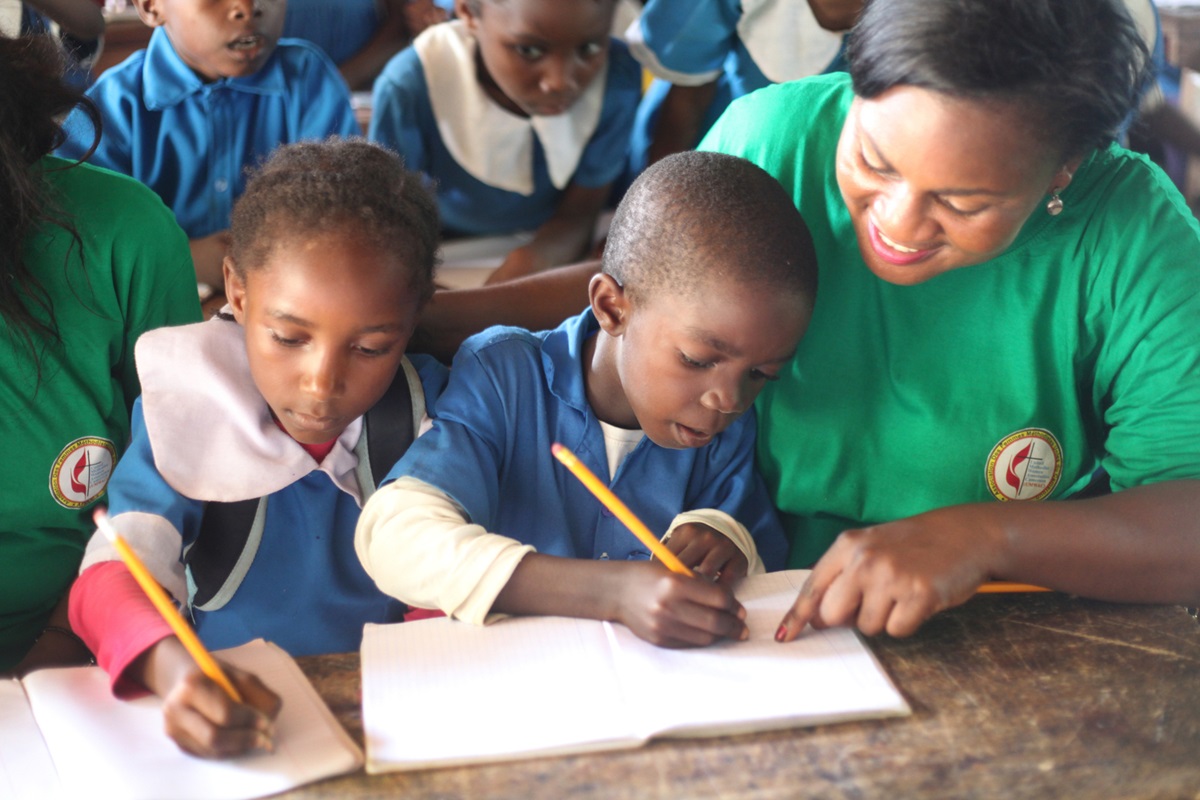
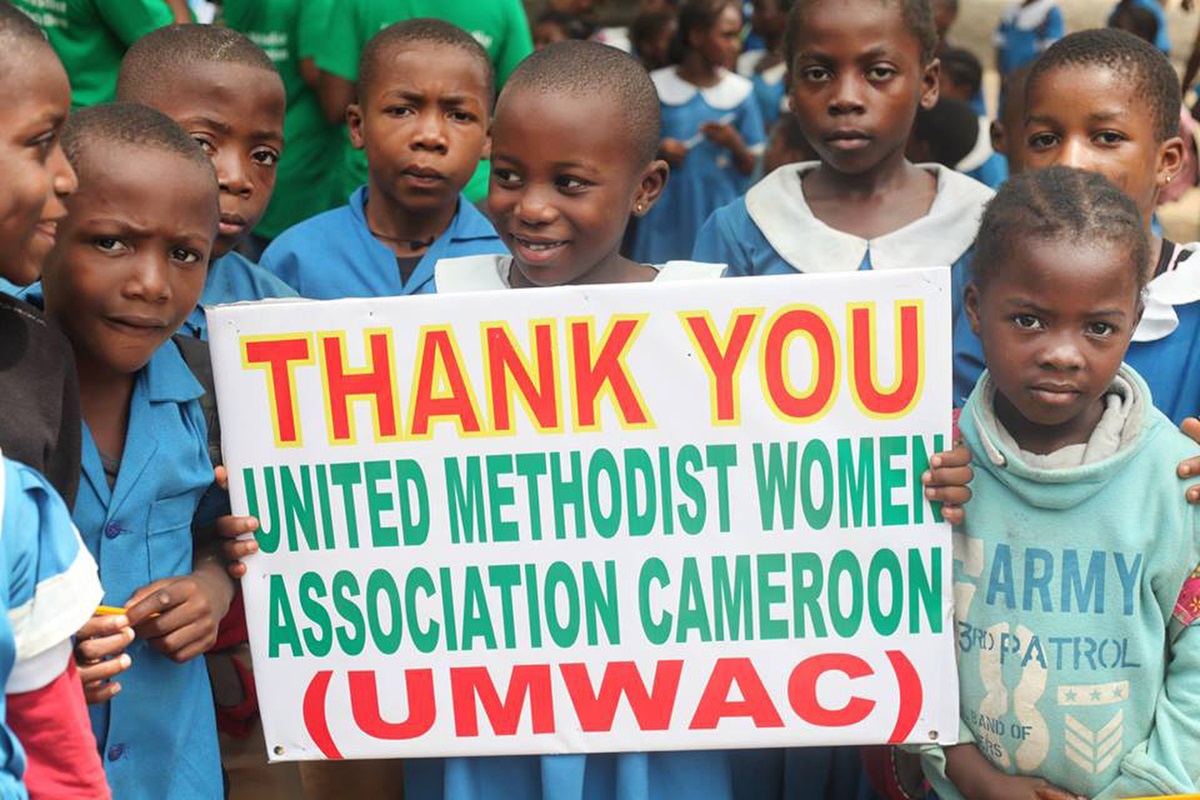
A little pencil can make a huge difference. At first glance, it may seem insignificant, but a pencil is often a vital tool in a child’s learning process.
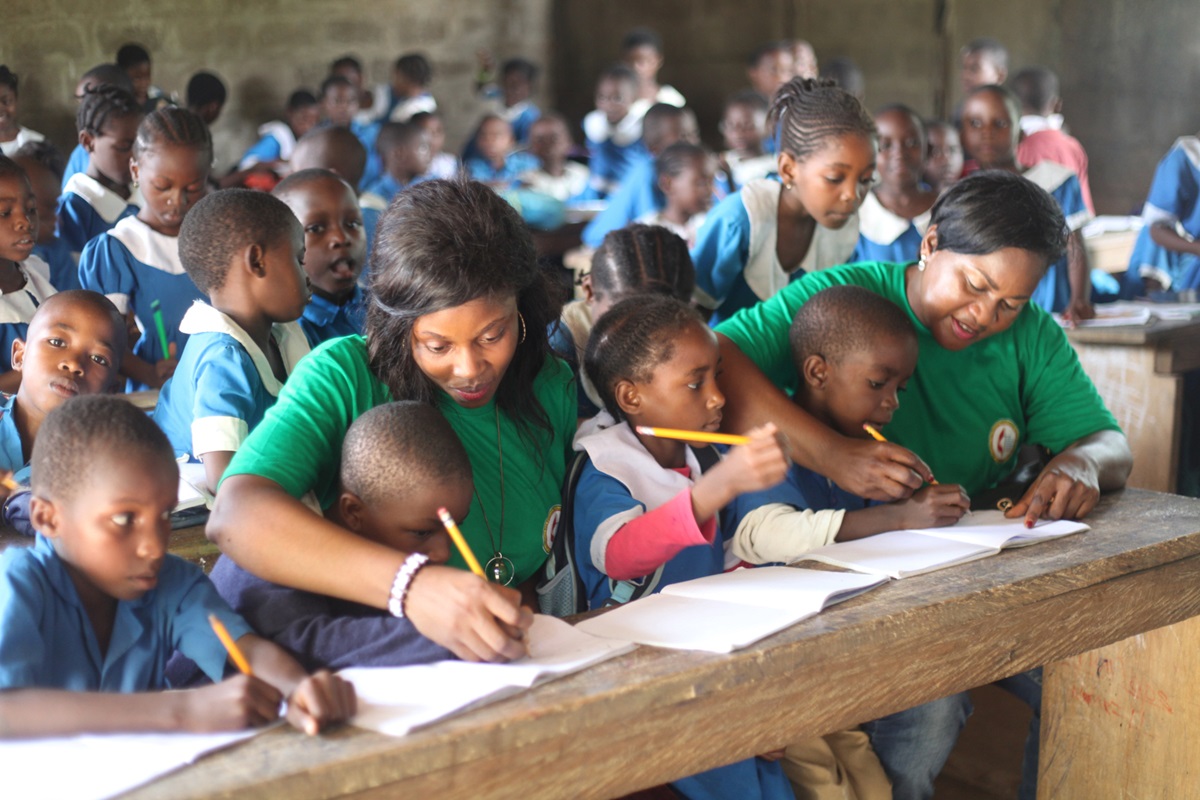
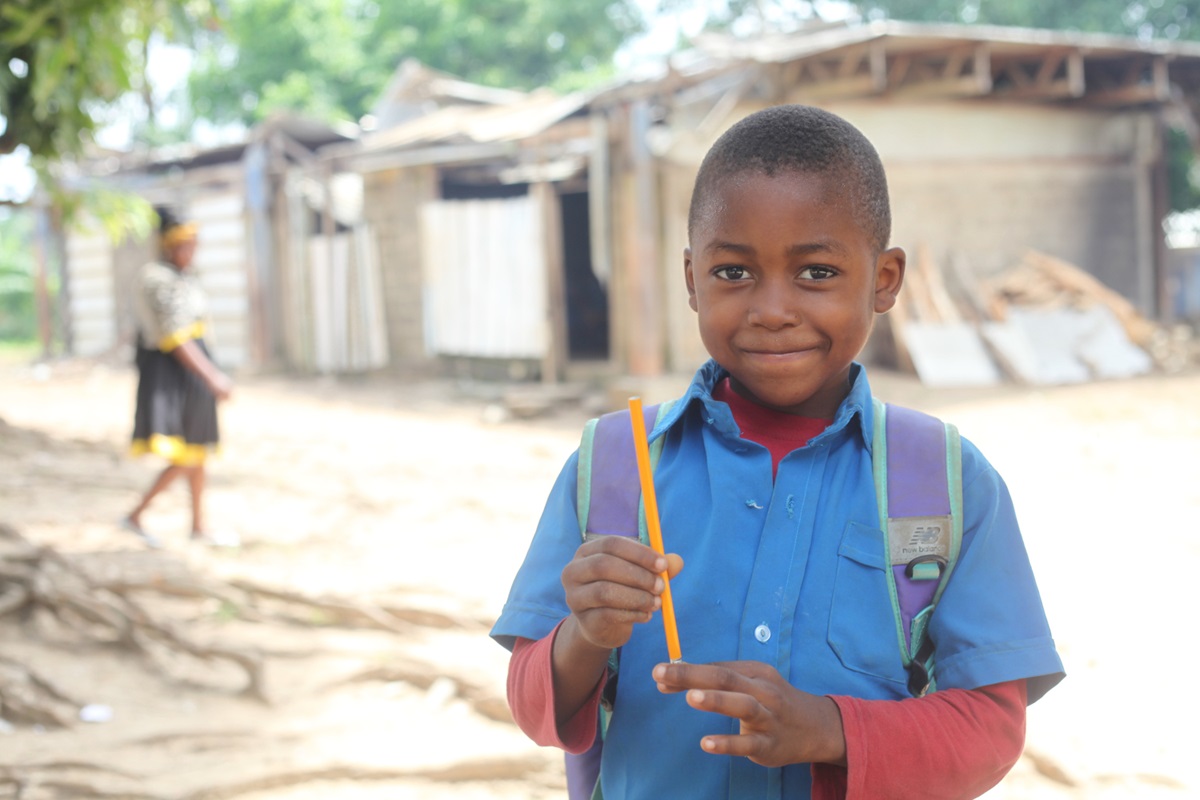
In Cameroon, if a child arrives at school without basic supplies, he or she is turned away. While in many of the rural schools throughout the country, children without a pencil or a pen struggle to learn. Often, as many as five children share a single pencil.
Imagine being a parent and knowing that the only way your child has any hope of future success is through education, yet you cannot even afford a notebook or pencil. How sad that a simple need for such basic school supplies could be such a great barrier to the educational development of our children.
This is a tragedy. And, unfortunately, this barrier has serious consequences. A child with no education will eventually become an adult trapped in a life of illiteracy and continued poverty.
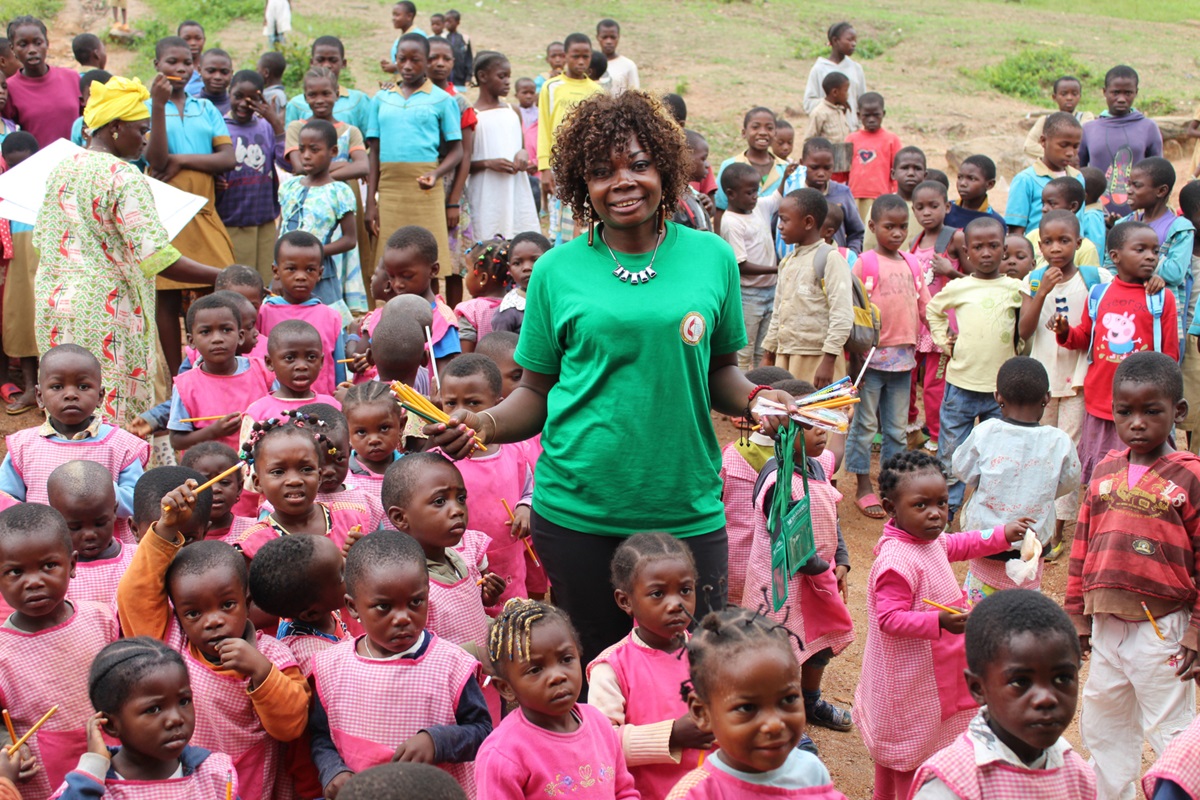
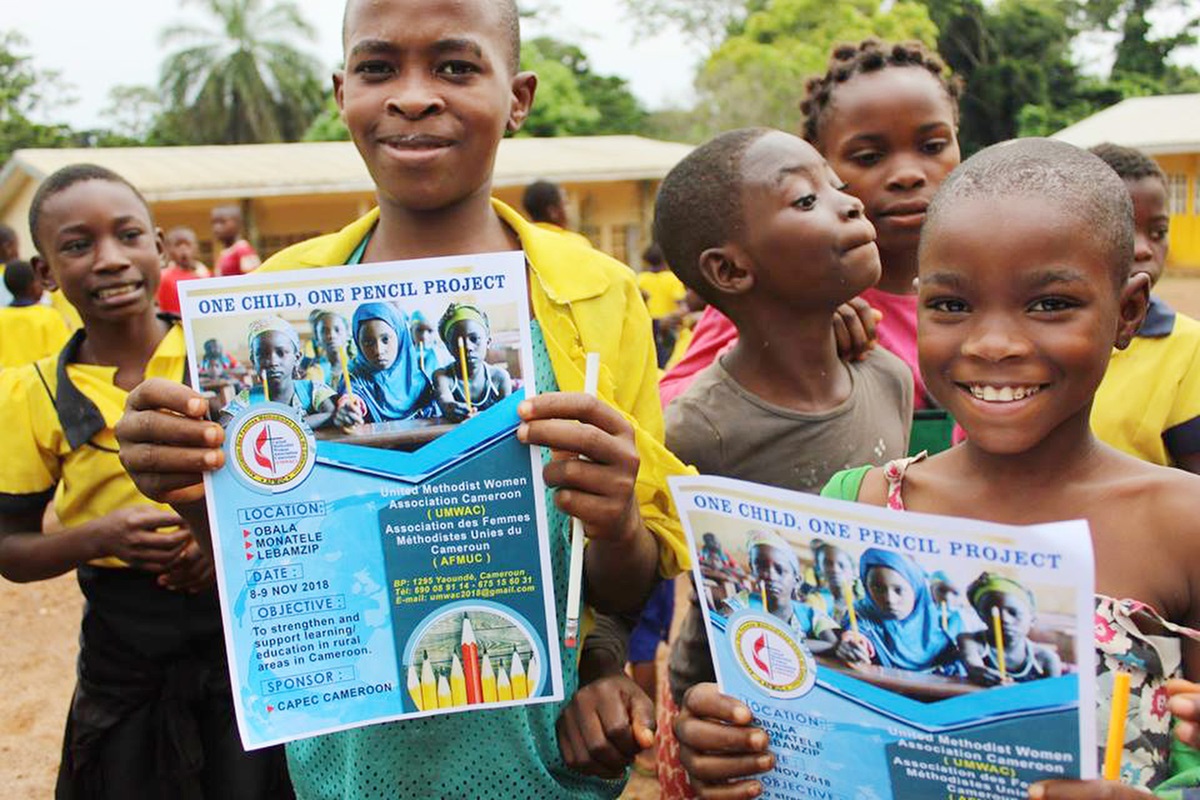
Because of this, the United Methodist Women Association in Cameroon carried out the One Child, One Pencil Project.
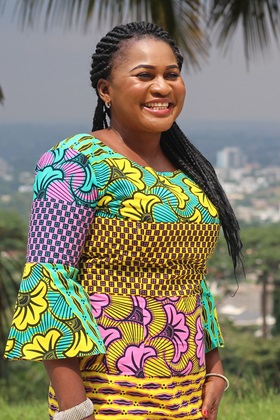
Photo by Ndobe Ebeneza Mosima.
We decided to target the Lekie divisions in the center region of Cameroon. We chose the region, which covers an area of about 2,989 square kilometers (1,154 square miles) and has a population of about 354,864 inhabitants — most of whom are peasant farmers — because it has three United Methodist churches, and we also wanted to carry out evangelism.
Because of the extremely bad roads, which are especially rough during the rainy season, the majority of the villages in this division cannot be easily accessed. Plus, the electrical grid and communication network in the division are limited, exasperating the difficulties associated with learning and living.
We also got firsthand information about the situations facing the individual schools in those rural areas.
At one school we visited, for instance, the school director shared with us that 350 pupils —boys and girls alike — share a single toilet. In another school, one with 200 pupils, there was a complete absence of toilets.
All six schools we visited had similar problems, including a lack of teaching materials for staff, not enough staff and overcrowded classes. In some classes, because of a lack of benches, 75 pupils shared just 15 benches.
Yet, to the communities we reached, our project was very successful and impactful. It was not only a community outreach to rural schools, but evangelism as well.
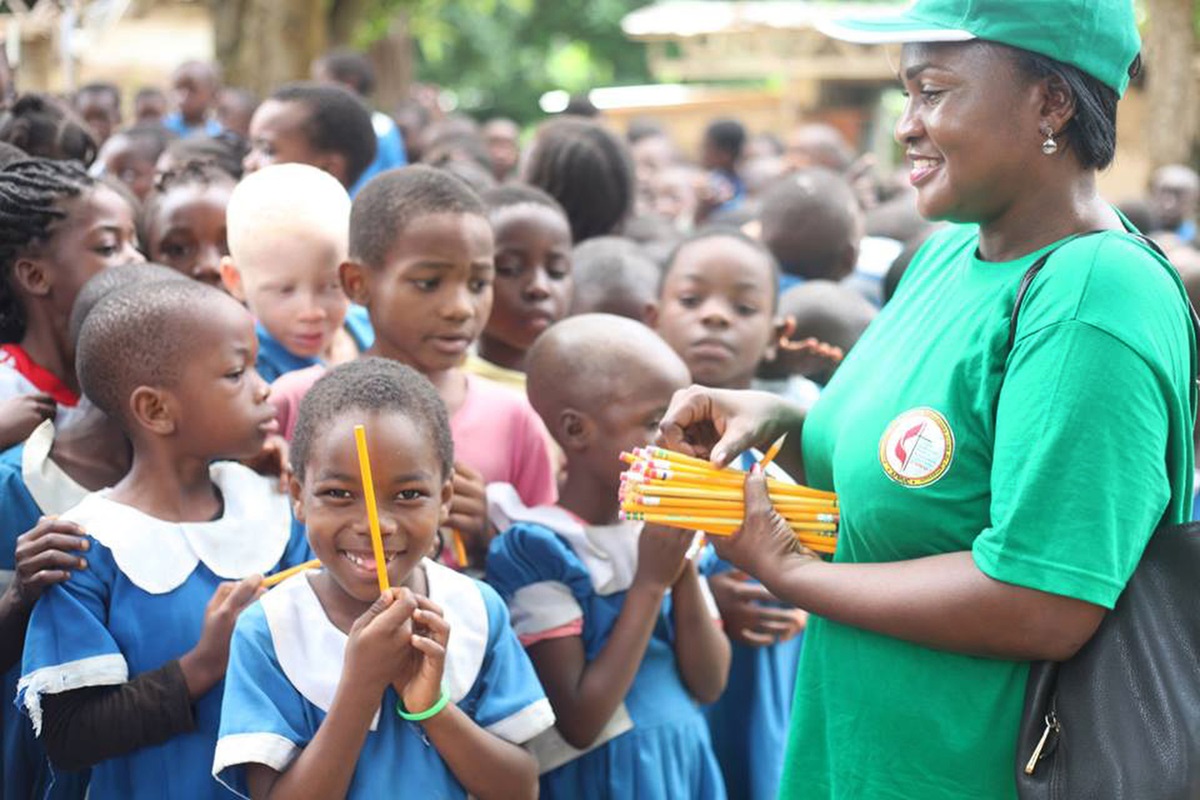
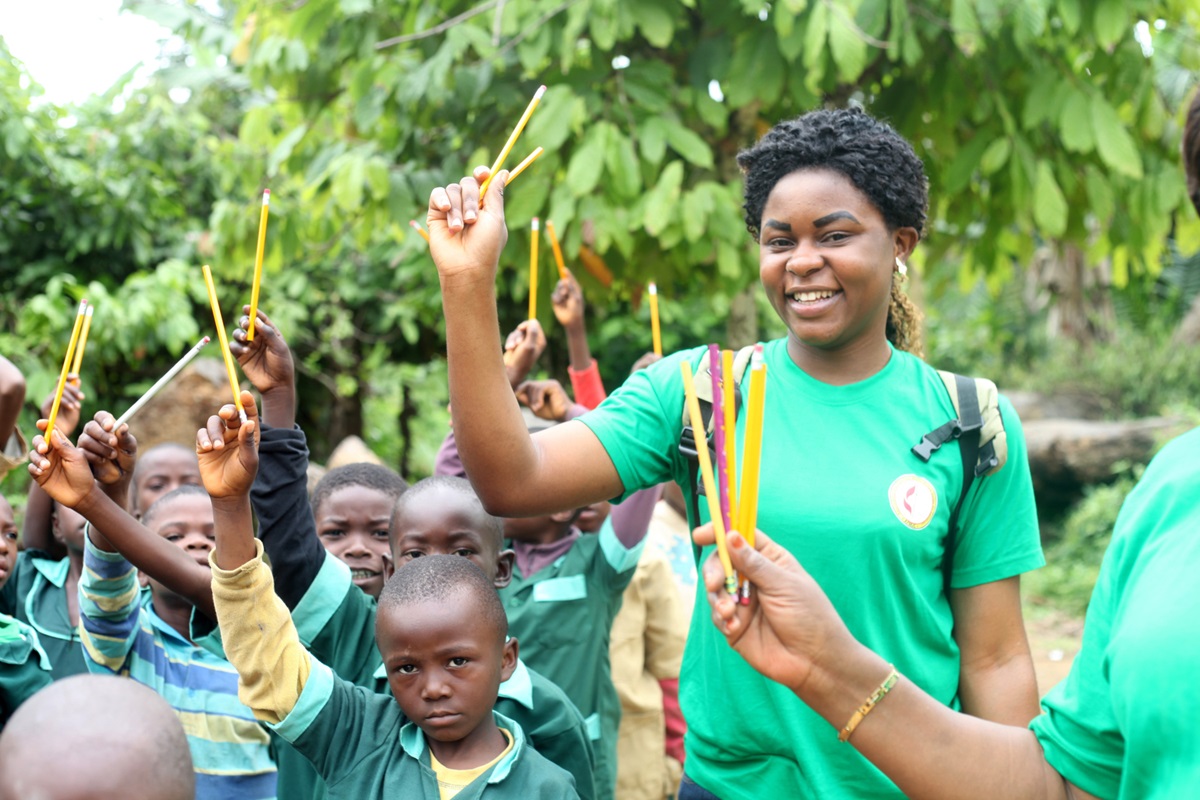
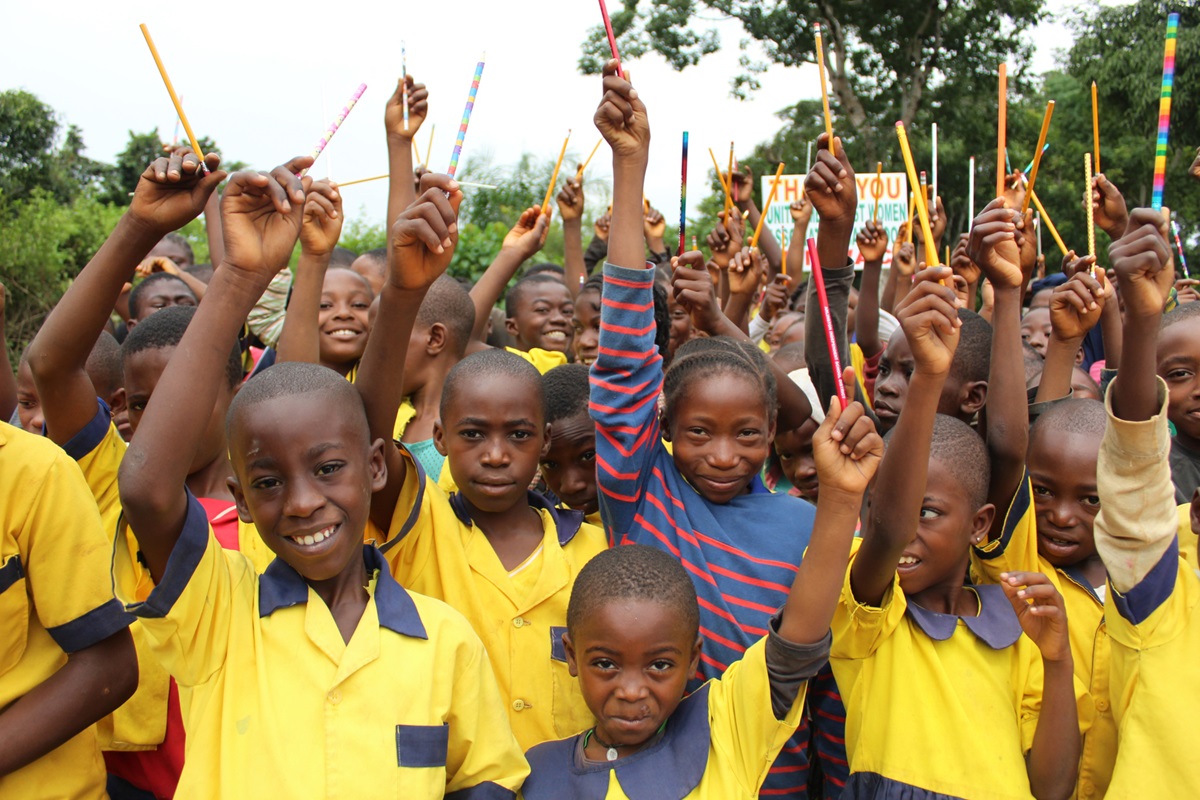
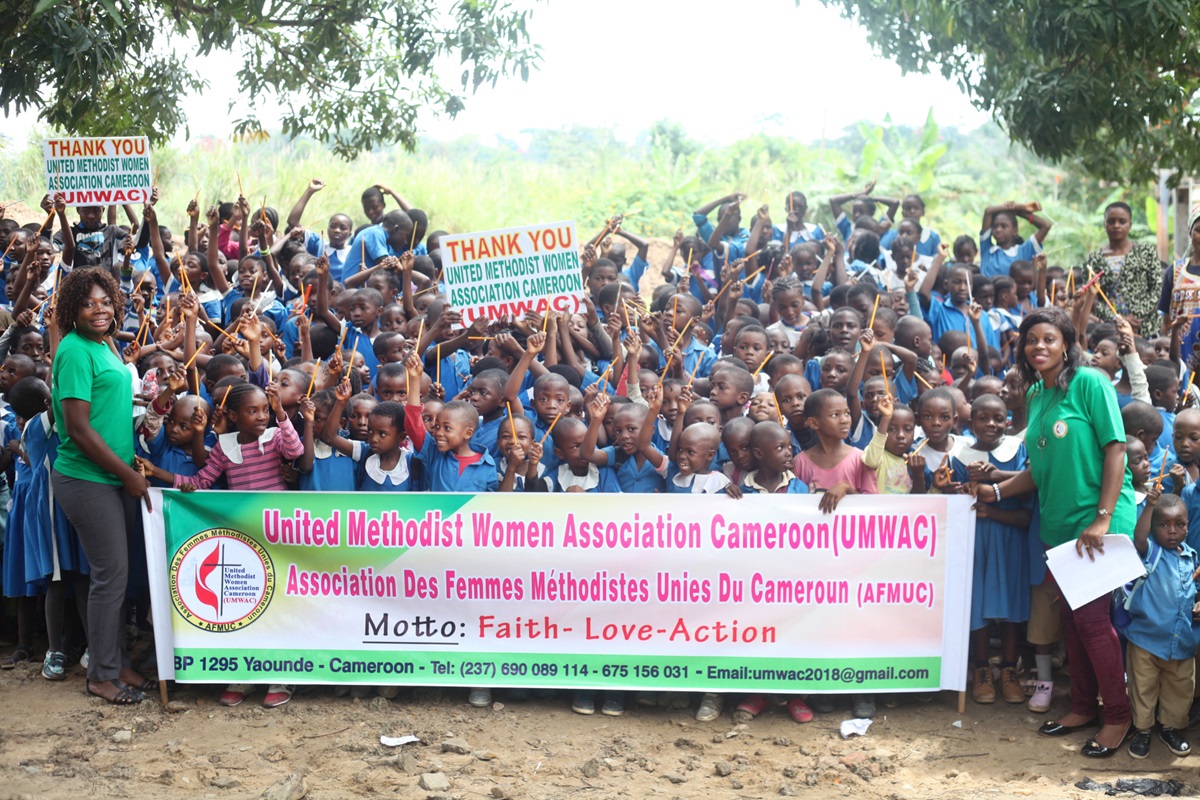
Members of the communities got to know and learn more about The United Methodist Church in Cameroon through the three pastors (the Revs. Bibi Roland of Lebamzip, Atangana Lucien of Monatela and Mengada Ignace of Obala) working with us. And more than 3,000 pencils were donated to pupils and teachers in the six schools we visited.
We got a lot of positive feedback.
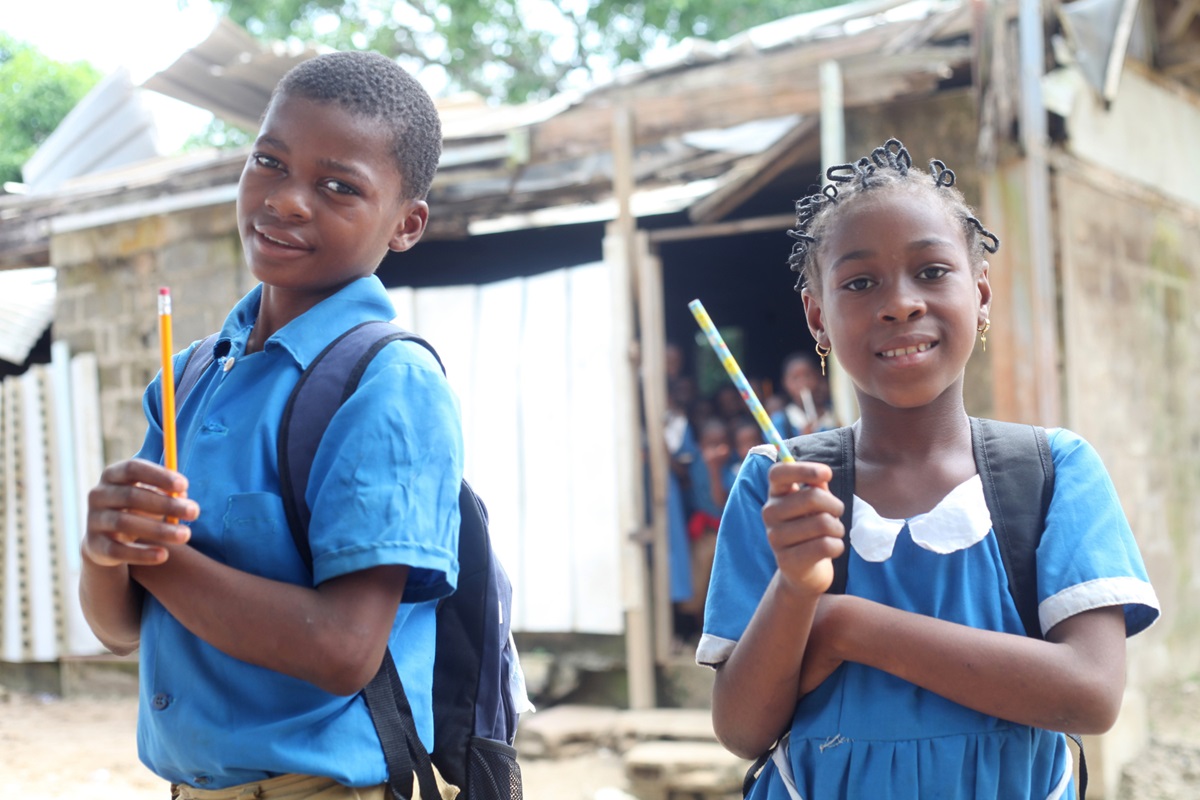
Owona John, a pupil of Government School Mekas said, “I will no longer wait for my friend to finish writing in class before giving me his pencil.”
In Lebamzip, one of the teachers told us how we have made her classwork light by donating pencils to all her pupils.
Their smiles speak to the difference we made with something as simple as a pencil. And we are glad to have created such a positive impact in the lives of the children and communities as a whole.
We sincerely thank all the UMW members who participated, the Education for New African Initiative Foundation and the pastors for their unflinching support.
To our main sponsor, the Cameroon Association for the Protection and Education of the Child (CAPEC), we are most grateful, thankful and indebted.
Ndobe is a communicator for the United Methodist Women Association Cameroon. Follow the group on Facebook at www.facebook.com/umwac.
To read more United Methodist news, subscribe to the free Daily or Weekly Digests. Photo by Ndobe Ebeneza Mosima.
Like what you're reading? Support the ministry of UM News! Your support ensures the latest denominational news, dynamic stories and informative articles will continue to connect our global community. Make a tax-deductible donation at ResourceUMC.org/GiveUMCom.


