
Key points:
- Longtime member and church trustee Jay Cardwell visited John Street United Methodist Church on the day of the Sept. 11 attacks.
- The church, which is two blocks from Ground Zero, didn’t have any structural damage but was covered in dust.
- The days following 9/11 were spent cleaning up and checking on church members. “As the days passed, we spent our time reaching out and just trying to be a refuge in the chaos,” he writes.
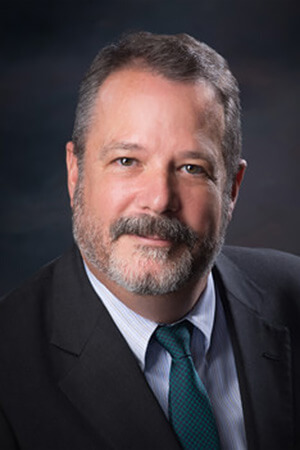
Photo courtesy of the author.
Commentaries
Those initial days after the Sept. 11 terrorist attacks in New York City were a whirlwind for members of nearby John Street United Methodist Church.
So many things ran through my head as I watched the news on that day 25 years ago. I had canceled meetings next door to the World Trade Center for that very morning as a friend’s baby was scheduled to be born that day. I was actually on the phone speaking with him as he watched the first tower fall from his fire escape in Tribecca.
My mind then went into action. What had happened to John Street United Methodist? How were my fellow church members affected and how could I find out?
The world was rightfully worried about those at the World Trade Center, yet my mind was two blocks away from Ground Zero. I couldn’t reach anyone at church, so I made my way downtown to be closer to friends and have a view of Lower Manhattan.
I was shocked as I walked through Times Square all alone.
Getting access to the church wasn’t going to be easy.
Lower Manhattan was closed to traffic, but some subways were still running and stopping near the church. As a trustee at John Street, I wrote and signed an “official” letter before I left giving me and a friend permission to go to 44 John Street, the church’s address. When I came out of the nearby subway station, I was stopped by someone who appeared to be a National Guard member. I presented him with my letter. Somehow it worked, and he let us pass.
As I got nearer to the church, I didn’t know what to expect. We all saw the images of the dust and debris engulfing the nearby streets. I imagined the windows broken or roof caved in from falling debris.
9/11 reflections
When we reached the church, the doors were still locked. With keys, I made my way inside. It was quiet. Nothing was broken — there was just a fine dust over everything inside the church, on the pews, carpet and altar.
I surveyed the building and roof for any damage. There didn’t appear to be any. I found a few papers there from the World Trade Center, from what I remember to be the 103rd floor.
Later in the day, the building manager and crew at the neighboring Federal Reserve Tower took us to their roof, and we looked down at the smoldering pile of what once was the World Trade Center. They lent us their power washer so we could clean the facade of John Street. It was covered with a thick papier-mâché-like substance that we wanted to get off before it cemented permanently.
The following day was spent vacuuming and dusting the church and calling church members to find out if everyone was OK, at least physically, and if they had any needs. Members were calling members.
When the World Trade Center towers fell, they sent out earthquake-level shockwaves. Weeks later, we received some assistance from the United Methodist Committee on Relief. Experts from California with earthquake experience visited the church and confirmed there was no structural damage.
I remember walking home on the Saturday after 9/11 from John Street covered in the dust of the day from cleaning. I walked all the way to 126th Street in Harlem through SoHo in Lower Manhattan and past tables where people were eating brunch — laughing and drinking like it was a normal day. It was surreal, but I kept walking and feeling thankful at the same time. John Street was still standing, and I was alive and able to walk home.
Finally, Sunday arrived and members of John Street United Methodist Church gathered for service. We had no electricity so that first Sunday was conducted by candlelight.
Subscribe to our
e-newsletter
We were all grateful, but I remember the quiet — no organ playing and a lot of time for silent prayers. I also was exhausted, so it might have just been me having a moment of silence. It was good to see familiar faces and many others from nearby needing a place to worship.
There was an outpouring of phone calls, cards and even banners from other United Methodist churches and United Methodists around the world. We felt the love as we sorted out the next steps.
As the days passed, we spent our time reaching out and trying to be a refuge in the chaos. Again, UMCOR assisted John Street by sending clergy to help anyone needing to talk, including our own pastor.
Many of the United Methodists called wanting to send pizzas and more to the church for us to deliver to the first responders on the West Side Highway. Unfortunately, we weren’t equipped to respond or even have a pizza place open to fulfill the order.
We found a greater need as a few nearby members and their elderly neighbors were without power, food, water and medicine. These nearby folks couldn’t call for help and were being overlooked. We made frantic calls to get the attention of those that could help.
We also redirected our efforts to our members who were alone in hospitals for unrelated ailments and who needed advocates for their care. As we did that work, I remember seeing all the pictures and posters on fences and walls at the entrances of the hospitals as people searched for loved ones. Images that are still with me today.
It was a horrible day that ran into weeks and years to recover, but John Street United Methodist Church and New York City survived.
Although I didn’t live or work near the World Trade Center, the work I did in those immediate days following 9/11 — with no regrets — was later attributed to my getting cancer. My health is good now with follow-ups limited to annual checkups. Because of that, 9/11 will always be with me and remembered, but it doesn’t define me.
Cardwell is a member and trustee at John Street United Methodist Church in New York.
News media contact: Julie Dwyer at (615) 742-5470 or [email protected]. To read more United Methodist news, subscribe to the free UM News Digest.


