
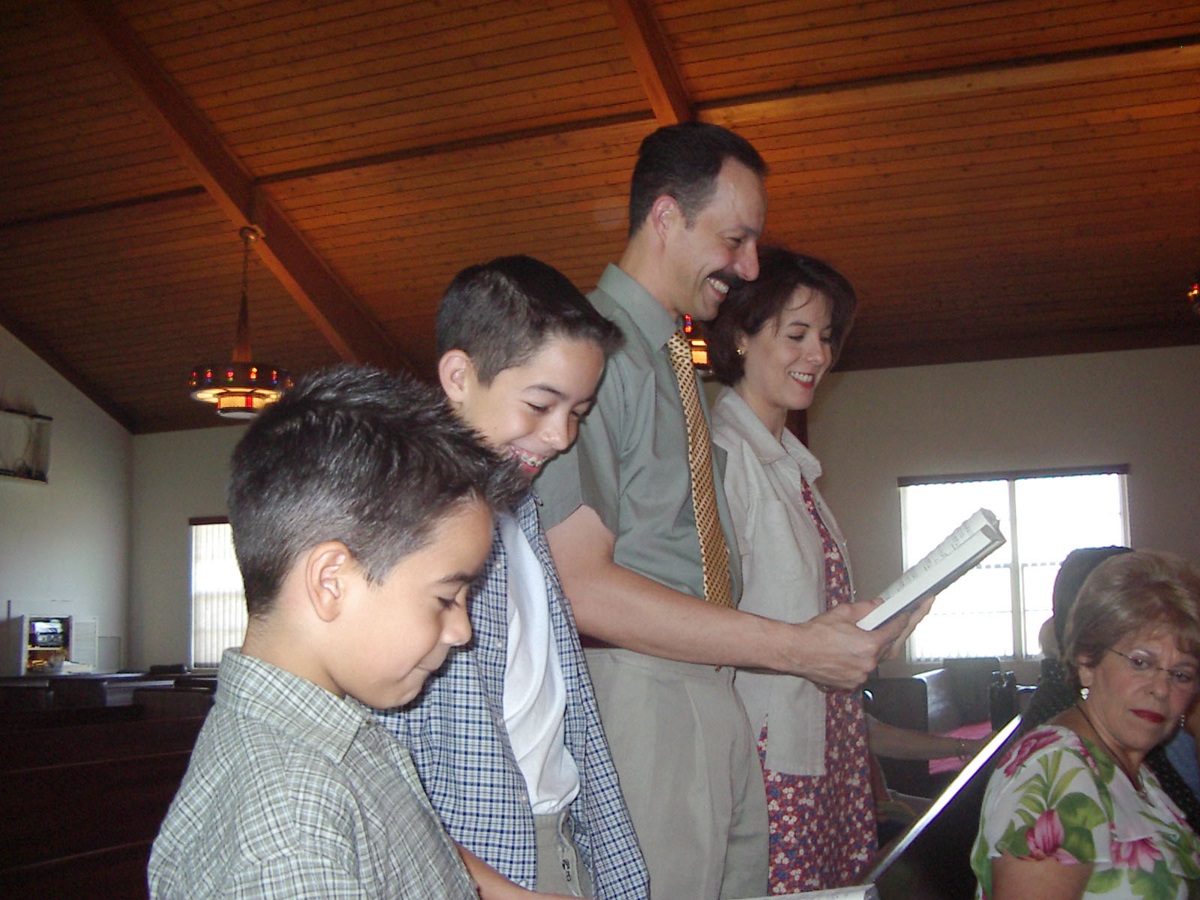
New patterns in both migration and immigration have propelled Hispanics to the Southeastern United States.
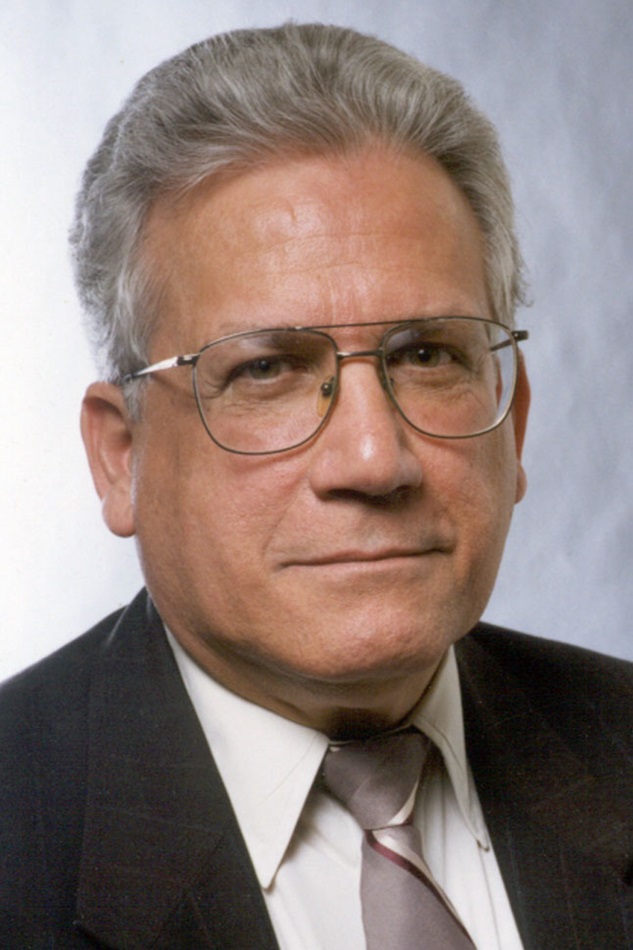
The Rev. Eli Rivera, coordinator of the United Methodist National Plan for Hispanic Ministry, said that some of the denomination's annual (regional) conferences in the Southeast have experienced a 200 to 300 percent increase in Hispanic population. Mexicans and Mexican-Americans, for example, have flocked to the East Coast. The region's conferences are now seeking ways to reach these groups, he noted.
That's one reason why the plan's organizers are asking the United Methodist General Conference to renew its work for another four years, at a requested cost of $3.8 million. The church's top legislative body meets April 27-May 7 in Pittsburgh.
"Delegates need to know that of the money we're requesting, $1.5 million is in grants to annual conferences," Rivera told United Methodist News Service.
Matching grants to conferences are a key motivational tool for the plan, which will mark 12 years of operation at the end of 2004. Thirty conferences have received grants, to date, he said, and the hope is to obtain proposals from the other half during the 2005-2008 quadrennium.
Average funding is $50,000 for a multi-project grant or $20,000 for a single-project grant. Many conferences raise even more than the required matching amount for their programs, according to Rivera.
The plan's accomplishments from 1993 to 2003 included the establishment of 75 new churches and 75 revitalized churches in 35 conferences; the establishment of 600 new faith communities in 52 conferences; and the training of 900 lay missioners, 130 pastor/mentors and 125 facilitators.
If renewed by the 2004General Conference, the plan also will have a new name: The National Plan for Hispanic-Latino Ministry. The addition of the word "Latino" not only reflects a growing desire by some of Latin American origin to be identified by that term, but also a plan goal to minister to a growing Brazilian population in the United States, Rivera explained.
"In many Hispanic communities, we have Brazilians worshipping in Spanish," Rivera said, pointing out the need for a Portuguese-language ministry. And in cities like Dallas and Los Angeles, where Brazilian populations are growing, "no ministry has been developed."
David Ortigoza, coordinator of the United Methodist Southeastern Jurisdictional Administrative Council for Hispanic/Latino Ministry, knows all about the trends. A Brazilian and former general secretary of the Council of Evangelical Methodist Churches in Latin America and the Caribbean, he was specifically invited to the jurisdiction in 2001.
"I think this a great deal for the United Methodist Church," said Ortigoza, whose office is at Lake Junaluska, N.C., and covers 14 annual conferences and one missionary conference in nine states. "It's a very good opportunity to improve the mission with the Hispanic/Latino community."
Growth in the Hispanic/Latino population has been especially prevalent in North and South Carolina and Georgia. The first Brazilian faith community has started in North Georgia as a ministry of a local church.
Each conference has a different way of doing ministry, partly because of the various cultures involved. "We can't use the same model for everybody," Ortigoza said.
His council hosted a Feb. 19-21 convocation at Lake Junaluska aimed at helping church leaders and members of non-Latino congregations understand the various models of ministry and types of resources offered by the National Plan for Hispanic-Latino Ministry.
One of the strategies emerging from the annual conferences themselves, according to Rivera, is to establish a Hispanic ministries coordinator staff position. To date, 27 conferences use such a coordinator. "Having the coordinators help the conferences themselves organize the work," he explained. "That's something we're going to continue to celebrate and encourage."
Other plan goals for 2005-08 include:
- Providing resource development to 100 new congregations and revitalizing 100 existing congregations.
- Offering training to 800 lay missioners and 1,500 lay people.
- Commissioning up to 36 new missionaries.
- Providing ministry resources for 500 non-Hispanic/Latino congregations.
- Engaging in pastor/mentor training and strengthening local pastor courses of study.
News media contact: Linda Bloom · (646) 369-3759 or [email protected]
Radio Stories
Like what you're reading? Support the ministry of UM News! Your support ensures the latest denominational news, dynamic stories and informative articles will continue to connect our global community. Make a tax-deductible donation at ResourceUMC.org/GiveUMCom.


