
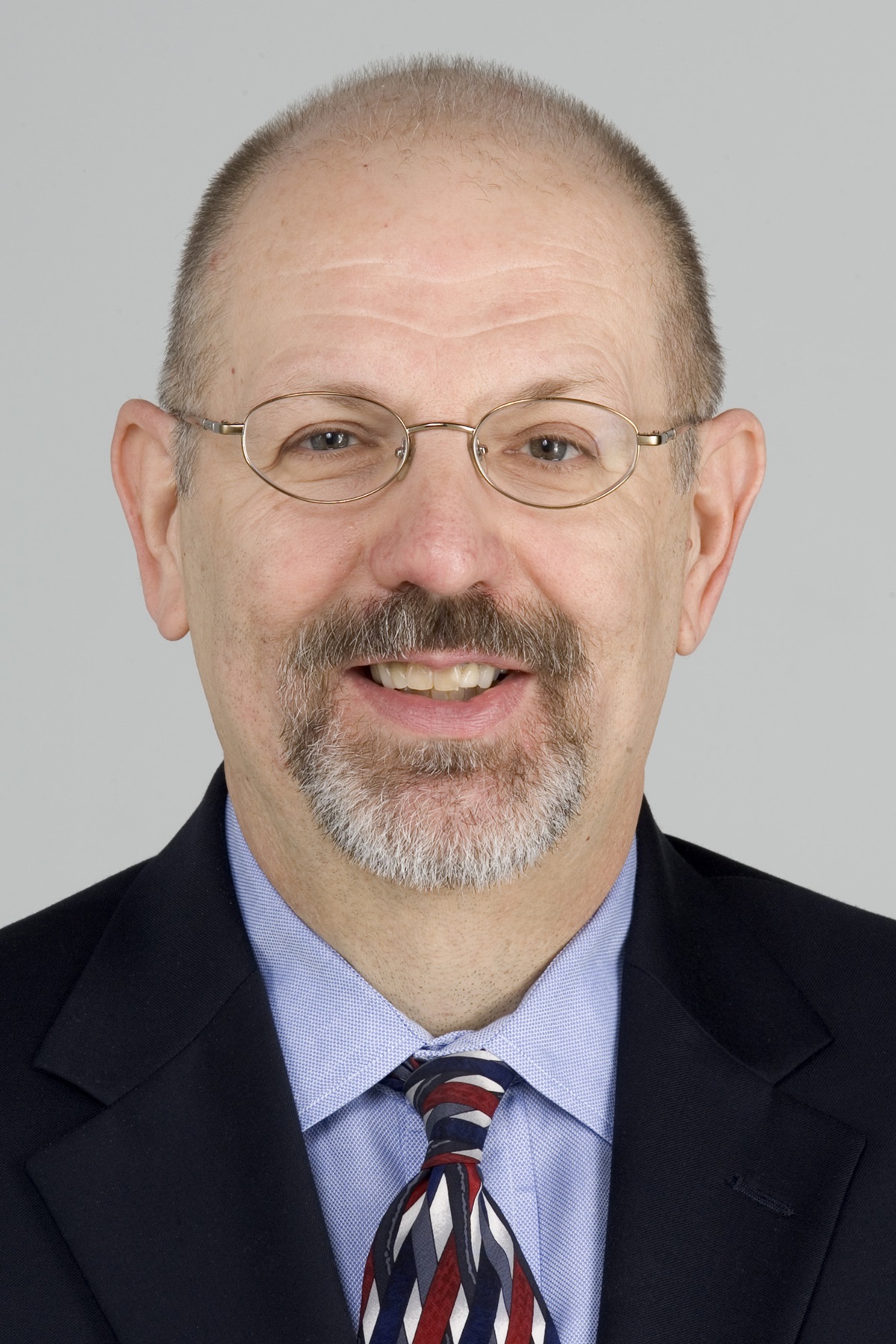
“Hear this message… All means all.”
United Methodist Bishop James King, April 25, 2012
For the first time in my life in The United Methodist Church, I am in a minority on something that is very important.
I am a minority in The United Methodist Church because I voted during the 2012 General Conference in Tampa, Fla., to bring gays, lesbians, bisexuals and transgender people into full connection with our denomination.
That means I support ordaining “self-avowed” gay and lesbian pastors. I support allowing our pastors to officiate over same-gender weddings and union ceremonies. I support opening every door, every window, and every nook and cranny in our church to any person who professes faith in Jesus Christ and strives to move toward perfection.
This is a big deal in The United Methodist Church. Our church polity — our understanding of how we operate under church law — says we love all people but that homosexuality is incompatible with Christian teaching. For the past 40 years, despite large losses in membership across the United States, the General Conference, our top legislative body, has focused more energy on arguments over sexuality than over evangelism.
Technically, I don’t have to disclose how I voted. Our votes at General Conference are, in essence, by secret ballot through an electronic voting process that does not track who votes for what.
Both inside and outside the church, we need more conversation about issues related to homosexuality. For decades, I felt uncomfortable talking about it whenever it came up in my church setting. I know many who are still uncomfortable talking about issues related to same gender relationships.
Until recent years, I voted for policies of exclusion. I voted not to allow self-avowed gays and lesbians to be ordained, and not to allow our churches to hold same gender weddings or union ceremonies.
My votes added to the pain of those who were excluded, and, for that, I am truly sorry.
My views and my understanding of Scripture on these issues began to change as I listened to venerated United Methodist bishops like Jack Tuell, Joe Yeakel and Willliam Boyd Grove reflect on similar struggles. I watched the church endure painful public trials of pastors who stepped forward in acts of conscience to reveal their true selves by coming out as lesbians. I paid close attention to the theological debates taking place in other Protestant denominations.
Most of all, I’ve prayed about this and have come to the conclusion that I am doing the right thing. This is a matter where interpretation of Scripture has changed over time. Remember, at one time, citing Scripture, the church barred women from our pulpits. Some said slavery was biblical. Some said the Bible tells us the eating of vegetables is a sign of weakness.
Early in the General Conference, Bishop James R. King Jr. of South Georgia preached from the Gospel of Mark, citing Jesus’s call to follow him. Without exception, Jesus welcomed the poor and the marginalized into the early church and its ministry.
“Hear this message… All means all,” King declared.
If, for some reason, I am not right, I am ready to stand before God on my day of judgment. If I am wrong in my belief we should be open to all who profess their belief in Jesus Christ, our sense of Wesleyan mission and desire to serve him in ordained ministry, I will seek God’s forgiveness. Frankly, I don’t think I will have to do that.
Drachler is a lay delegate to General Conference from the Susquehanna Annual (regional) Conference.
Like what you're reading? Support the ministry of UM News! Your support ensures the latest denominational news, dynamic stories and informative articles will continue to connect our global community. Make a tax-deductible donation at ResourceUMC.org/GiveUMCom.


