
Key points:
- Showing up at the recent special session of the Tennessee legislature was an important way to remind lawmakers that they represent the people, says the Rev. Keri Cress.
- The great commandment and the United Methodist Social Principles are clear in directing people to love their neighbors, she writes.
- The state laws being enacted affect our neighbors, which makes Christian witness in the public space vital.
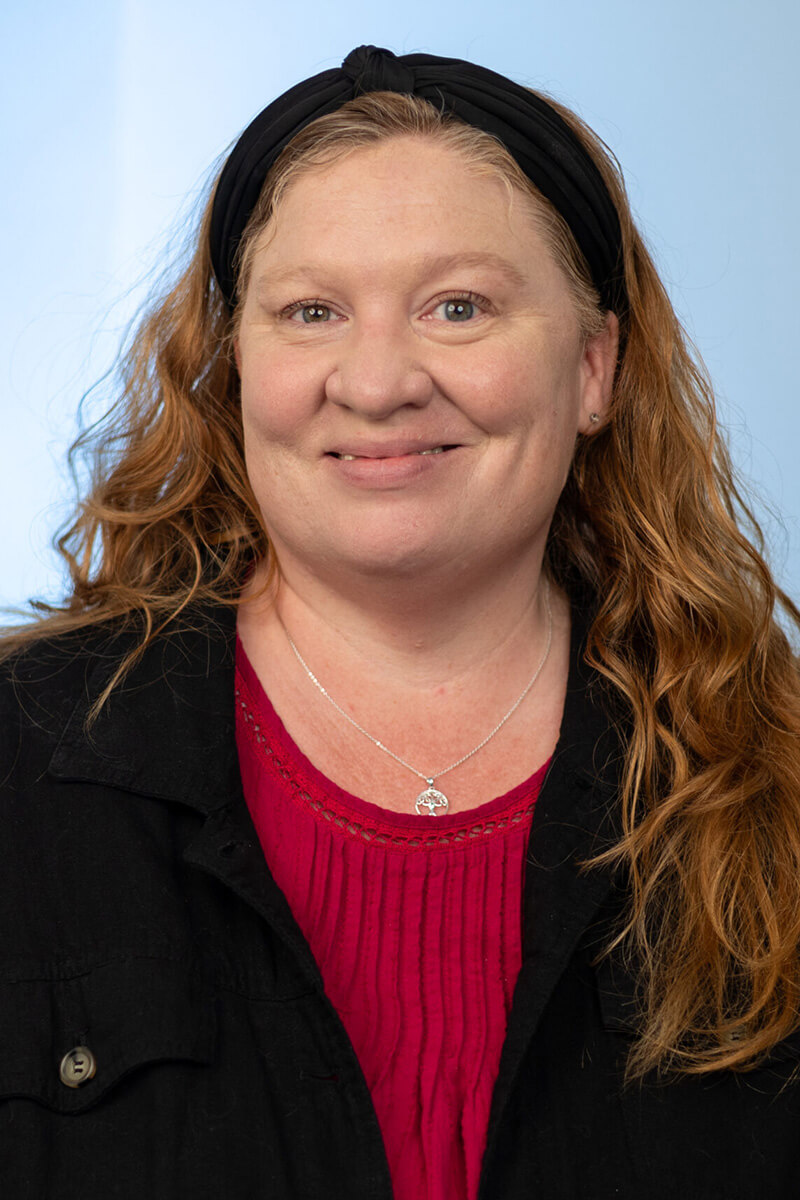
Photo courtesy of the Tennessee-Western Kentucky Conference.
Commentaries
When I showed up at the Tennessee Capitol in my clergy collar for the state legislature’s special session last month, I heard the words, “Thank you for being here.
I heard it from protesters, legislators and lobbyists — even state troopers, who filled the hallways of the Capitol. I never did figure out what to say in response.
After the Supreme Court’s ruling on the Voting Rights Act, the Tennessee General Assembly was quick to call a special session to redistrict the state. So I moved some meetings around, called in some carpool favors, and found my way to the state Capitol as much as I was able.
There were a number of reasons I decided it was important to be present. Very few people are able to leave work to be there, and in moments like these, we need to remind our legislators that they represent the people, their constituents.
When people are not present, it can be easier for our legislators to forget who they serve, easy to get pulled away from representing voters and toward competing powers. Political pressure comes from outside the state, lobbyists whisper in their ears during senate committee hearings, and they feel pressure from colleagues in their own political parties.
When people are not present, it can be easy for legislators to forget the very real lives that are affected by the laws they are making.
I have never considered myself to be a political person, and I still don’t. My faith is what moves me to act. I don’t want to only talk about love, I want to do it.
When questioned by an expert in church law about the greatest commandment, Jesus replied, “You must love the Lord your God with all your heart, with all your being and with all your mind.” And then he named the second greatest: “You must love your neighbor as you love yourself” (Matthew 22:34-37).
This love of neighbor is why I show up in public spaces, contact my legislators and stand alongside others. If I want my voice and vote to count, I want it for my neighbor as well.
Our United Methodist Social Principles state: “Our involvement in political systems is rooted in the Gospel imperative to love our neighbors, to do justice, and to care for the vulnerable. As United Methodists, we acknowledge that love requires responsible political action and engagement aimed at the betterment of society and the promotion of the common good” (Social Principles: Political Community).
The laws that are being made by the legislature are about our neighbors. The laws relate to feeding the hungry, caring for the sick and imprisoned, how we treat people on the margins — all areas Jesus specifically named in his ministry here on earth. Feed the hungry. Care for the sick. Visit those in prison. Welcome the stranger.
Our Christian witness is important in the public space. It is important to be present for what is happening to our neighbors. And what was happening in Tennessee was hard to witness. In the senate committee hearing I attended, experts testified intelligently and eloquently with good data, strong legal positions, and information about how these last-minute changes would cause voter confusion with changing districts and polling places across the entire state in the upcoming elections.
In front of a busload of constituents from Memphis, the most affected area of the state — people who got up before dawn to arrive in Nashville to attend the hearing — the legislators voted to proceed with the changes. Against good information, against the will of the people, against the representation of a historically and majority Black district. Those voices have now been diluted. The once-urban district was expanded to include a vast area of rural Middle Tennessee, a part of the state that is entirely different culturally and socio-economically.
My presence did not change hearts or votes on redistricting. It changed something in me though, to have the honor of standing alongside those neighbors, to remind them that not all of us want to take away their voice. Some of us are still here, standing alongside them and working toward a beloved community, that it one day may be here on earth as it is in heaven.
Related commentary
Cress is a United Methodist clergyperson.
News media contact: Julie Dwyer, news editor, [email protected]. To read more United Methodist news, subscribe to the free UM News Digest.


