
We in the Nebraska delegation for the General and Jurisdictional conferences have had a number of conversations about the Call to Action proposal coming to General Conference. We have reviewed the original proposal for structural change and subsequent alternative proposals. And we perceive that we have not yet seen the proposal for structural change that will eventually come to us on the floor of General Conference.
After having read lots of background material and arguments for the various proposals and discussing it in our delegation, we are not sure which proposal is the best one. But we know of one general principle that we want to see come forward in the approved plan: that the administrative structure of The United Methodist Church reflects and represents the reality that we are a global church.
This is our statement: We embrace change that would create a structure for The United Methodist Church that is responsive to the needs of the global church. In this time of change, we share a concern that in the midst of our desire to be flexible and efficient, we not lose the diversity of voices at every level of decision-making. Our concern is not so much about the ability of individuals to represent the perspective of others but a concern that our decision-makers themselves reflect the rich diversity of The United Methodist Church.
The first proposal for structural change embraced the concern and need for our structure to be nimble and more cost-efficient, which is good. And it seems to provide a structure that would more efficiently get things done in terms of doing something about decline in the U.S. church. But we are — more than ever —a global church, and the structure needs to reflect the diversity of our church in whatever oversight bodies the delegates adopt.
Having more representation and wider diversity in our structure is not about meeting quotas or looking good in publicity pictures; it is about receiving and sharing the gifts God has given us of resources and people from a variety of cultures and places. We in the United States have so much to learn from other parts of the world where there is growth rather than decline and real passion for our mission of making disciples of Jesus Christ for the transformation of the world. Our structure needs to put us together and hold us together in a global vision of the future.
I think everyone is acknowledging that structure alone will not solve our problems or make the difference in our becoming the transformed and transforming church that God wants us to be. We need the whole world of United Methodists at the table when we seek to do God’s work.
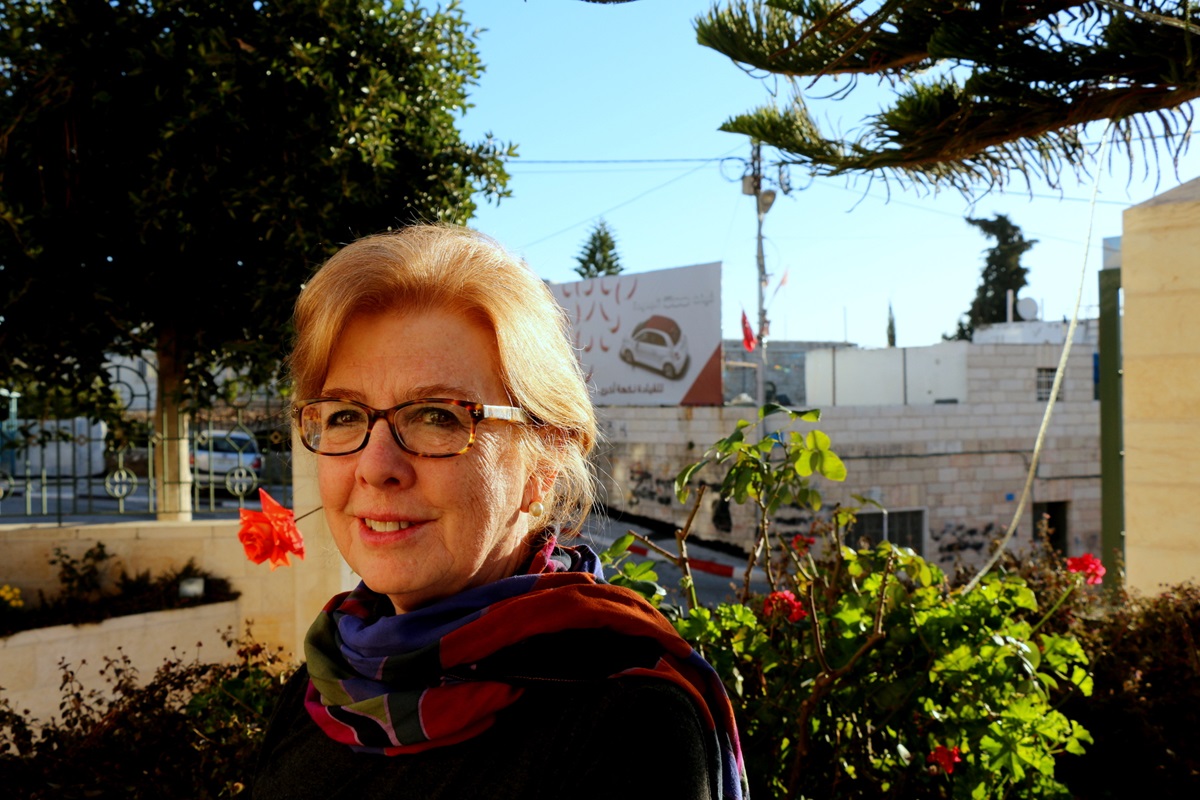
*Lux, pastor of St. Paul United Methodist Church, Lincoln, Neb., is head of the Nebraska Annual (regional) Conference delegation.
Like what you're reading? Support the ministry of UM News! Your support ensures the latest denominational news, dynamic stories and informative articles will continue to connect our global community. Make a tax-deductible donation at ResourceUMC.org/GiveUMCom.


