


Ken Banks is the founder of kiwanja.net which helps social innovators, entrepreneurs, engaged citizens and non-profit organizations make better use of communication technology in their work. This profile was first published on August 6, 2014. Banks will be the keynote speaker at the 2015 Game Changers Summit hosted by United Methodist Communications, Sept. 17 - 19, in Nashville, Tennessee. This year’s focus will be harnessing the power of information and communications technology (ICT) for global good. The aim is to demonstrate how ICT can be used to improve all facets of life throughout the developing world. Join us for this exciting event.
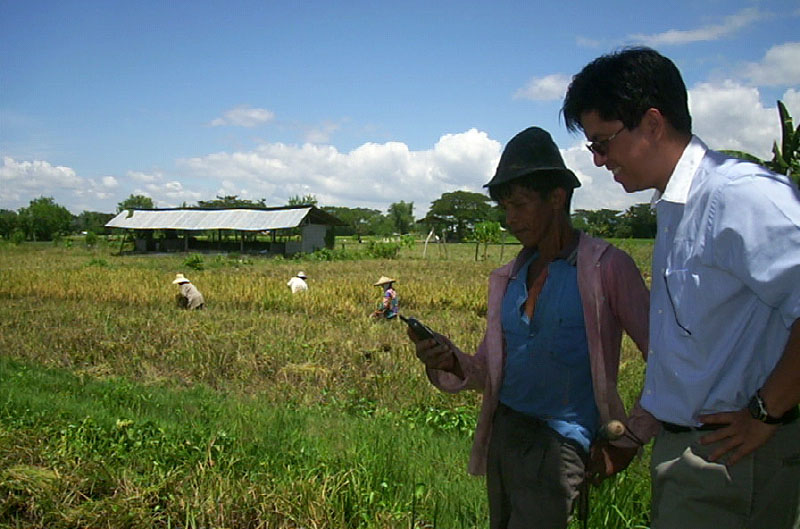
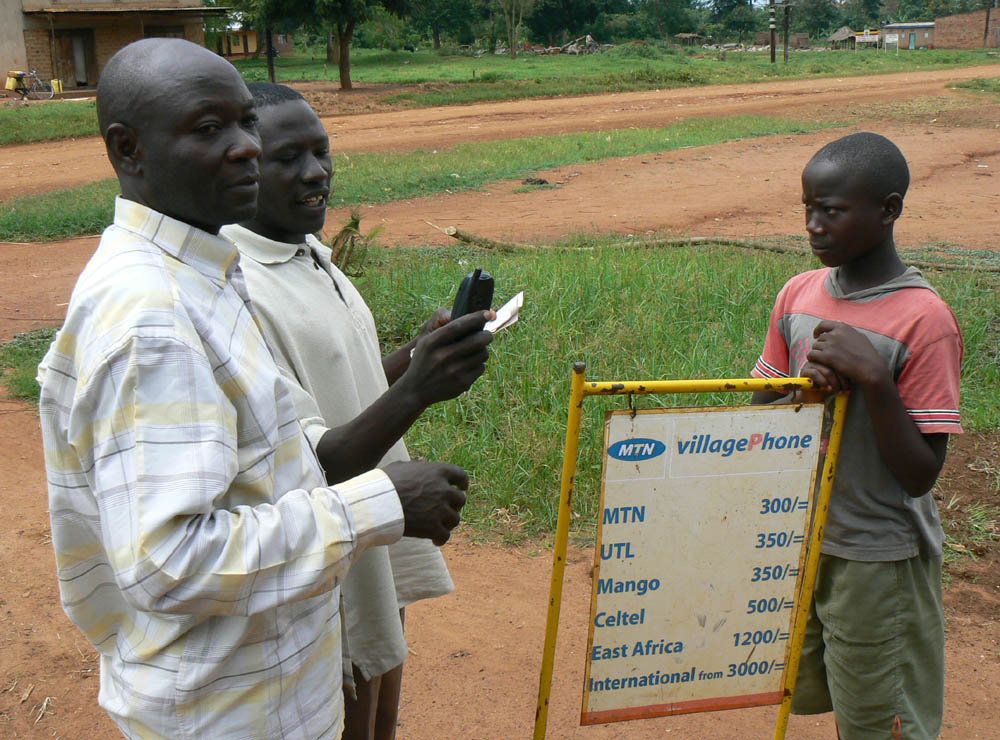
Much like the people he chronicles in his book, The Rise of the Reluctant Innovator, Ken Banks didn’t set out to be a pioneer in ICT4D. After seeing poverty and inequality on a massive scale while traveling and living in Africa, Banks asked himself how he could contribute to fixing such injustice. Seeking an answer to that question led him to design Frontline SMS, a text messaging service that blended dual passions for technology and international development.
“In the beginning no one knew what to do. No one knew quite what best practices were, no one knew what other people were doing and nobody knew what other people were trying to do. It was a bit of a Wild West, I suppose,” Banks said.
Knowing that throwing ideas at a wall to see what sticks wasn’t going to solve the problem, Banks spent time living in the communities he hoped to serve, getting feedback and learning firsthand the needs of the residents. He encourages similar immersion whenever possible and cautions “developing solutions to problems we don’t understand.” He prefers to design tools that each community can use to address their specific issues.
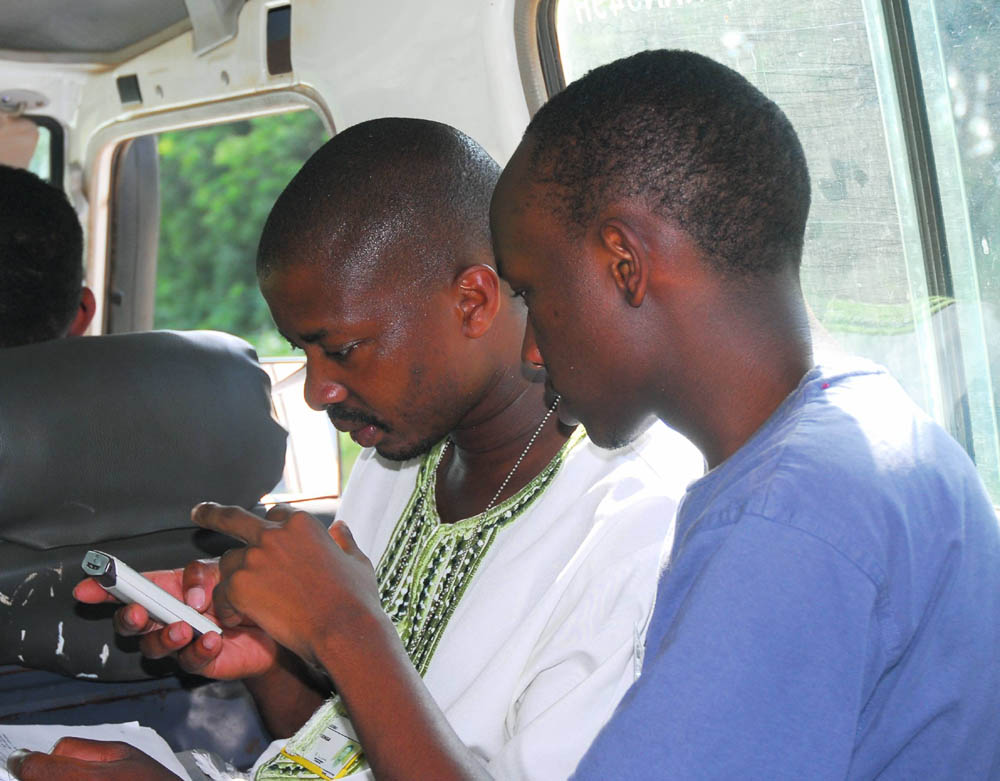
“When I wrote Frontline SMS I didn’t write it to be a tool for me to take to people to solve problems,” he said. “I wrote it so they could use it themselves to solve whatever problem they were trying to solve.”
Almost a decade after introducing Frontline SMS, Banks is pleased to see the broader global interest in mobile for development, but still sees room for growth.
“I think we’re still a bit stuck on what the impact of the technology is,” he said. “We know it’s useful, we know it can do great things but we don’t always know precisely what they are.”
Since 2003, Banks’ website, kiwanja.net, has offered tools to help those in the international development field to advance their cause. And to budding social entrepreneurs, he offers advice gained from personal experience: “Be humble and honest and respectful in how you go about helping people. Often these people don’t see themselves as needing help; they just see themselves as needing a chance.”
*Butler is a multimedia editor/producer for United Methodist Communications.
Be a game changer! Register for the 2015 Game Changers Summit, Sept. 17 - 19.
Like what you're reading? Support the ministry of UM News! Your support ensures the latest denominational news, dynamic stories and informative articles will continue to connect our global community. Make a tax-deductible donation at ResourceUMC.org/GiveUMCom.


