
Key points:
- United Methodist leaders have been accommodating the denomination’s faith to the culture since the denomination was founded in 1968.
- Were the church, at its upcoming Leadership Gathering in Canada, to decide to take tradition seriously, that would be new.
- For this to happen, honest discussion and difficult debate would be required, but a new direction for the church could emerge.
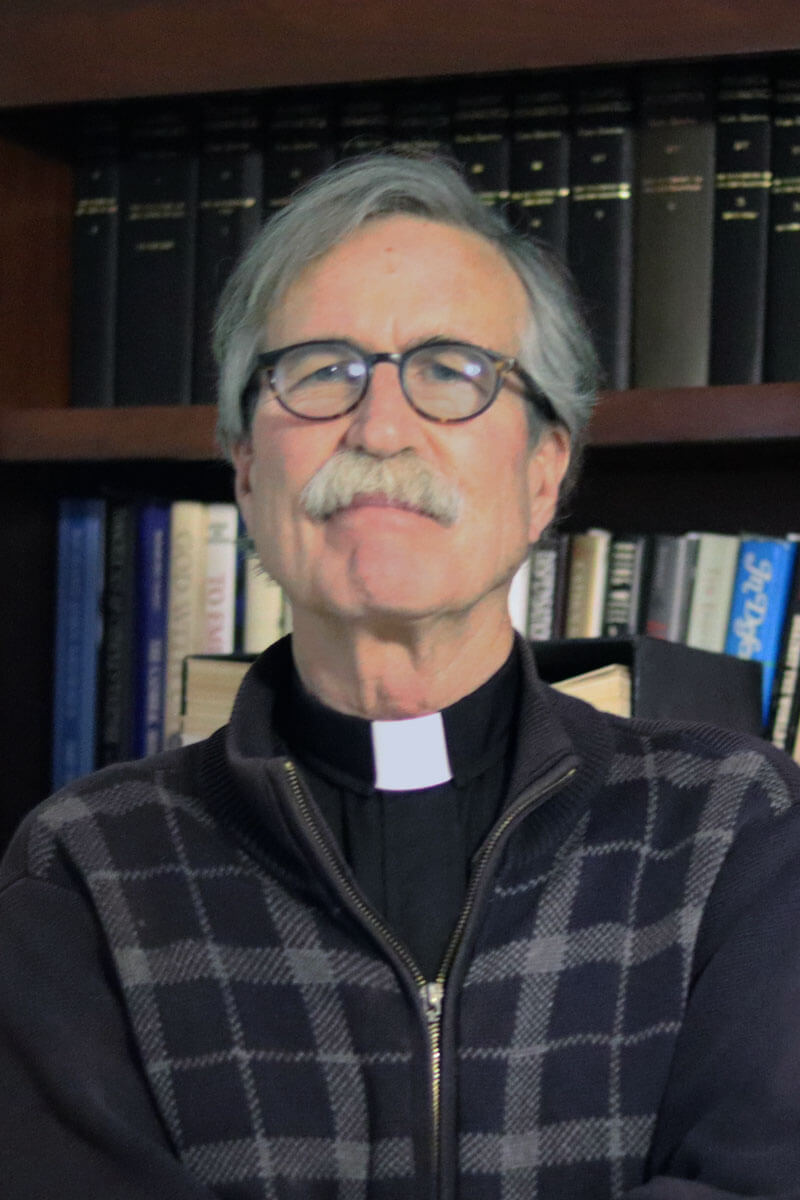
Photo by Krystal Baker.
Commentaries
“Tradition is the living faith of the dead; traditionalism is the dead faith of the living. Tradition lives in conversation with the past, while remembering where we are and when we are and that it is we who have to decide. Traditionalism supposes that nothing should ever be done for the first time, so that all that is needed to solve any problem is to arrive at the supposedly unanimous testimony of this homogenized tradition.”
This famous quotation by the late theologian Jaroslav Pelikan — “Tradition is the living faith of the dead; traditionalism is the dead faith of the living.” — has been making the rounds among some United Methodists.
Considering this quotation, they concentrate on “traditionalism is the dead faith of the living.” Their point is that since “traditionalism” is a dead faith, today’s United Methodist Church must bravely develop, and then embark upon, brand new paths forward. Such new paths presumably involve adjusting or updating “tradition” so that it will be made more acceptable to today’s ears and eyes, hearts and minds.
That way of thinking is exactly the way many bishops and clergy, and seminary professors and leading laity, have led The United Methodist Church since its founding in 1968. Again and again, they have changed the church’s basic faith to become more acceptable and relevant to the times.
To repeat: Accommodating the denomination’s faith to elite culture is exactly what has been going on at the highest levels of The United Methodist Church since 1968. Year after year, this has been happening. Decade after decade. Sometimes it has been noticed by the rest of us; oftentimes not. Such unrelenting change has been the traditionalism of The United Methodist Church.
For over 50 years, this traditionalism has surveyed the general society and responded to the cultural winds to develop ministries and programs. Too often, the tradition of historic Christianity, of the church’s faith, is ignored.
There is another way to be the Church of Jesus Christ. That way is proposed and illustrated by the theological giants Paul Ramsey, Albert Outler, Thomas Oden, Geoffrey Wainwright and William Abraham, who faithfully taught The United Methodist Church until they “crossed the Jordan.” That way takes tradition – our tradition! – seriously.
Just as these great Methodist theologians served the church’s apostolic tradition, so they urged The United Methodist Church of their day to do the same. Channeling these theologians in the current issue of Lifewatch newsletter, their representatives today persuade us to do the same.
Were The United Methodist Church, during its upcoming Leadership Gathering in Canada, to decide to take a more traditional approach to trusting and obeying Jesus Christ in our life together, that would be new!
Subscribe to our
e-newsletter
To borrow the words of Bishop Tracy S. Malone, former Council of Bishops president: That would be “faithful leadership.” That would “reimagine the Church.” That would “fulfill God’s calling and vision for our future.”
According to Pelikan, that would keep alive and deepen and spread “the living faith of the dead.” And that would allow “the dead faith of the living” — faith hardened into a predictable, political-religious way of thinking, speaking and acting — to fade away into the night.
For this to happen, honest discussion and difficult debate will be required during the Leadership Gathering. Words will be strong. Disagreements sharp. Feelings hurt. Feathers ruffled. But a new direction, a traditioned and apostolic direction, of The United Methodist Church — in the service of Christ and his church — just might emerge.
Such a new direction will have one driving, motivating goal: faithfulness to Jesus Christ and to his church. Relevance, respectability, church growth, and social and political impact will not matter as much. Only faithfulness to Christ and his church will.
Stallsworth is an ordained elder in The United Methodist Church and a member of the North Carolina Conference. Retired from pastoral ministry, he edits the quarterly newsletter Lifewatch.


