
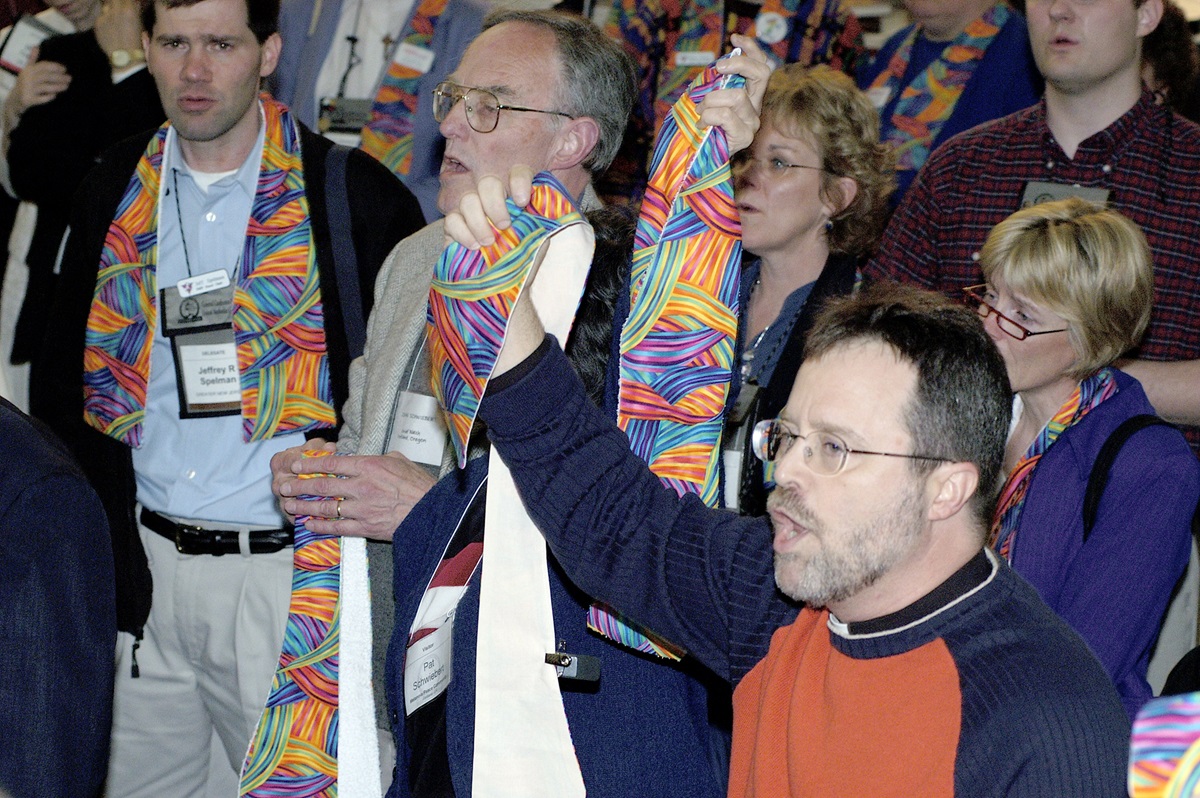
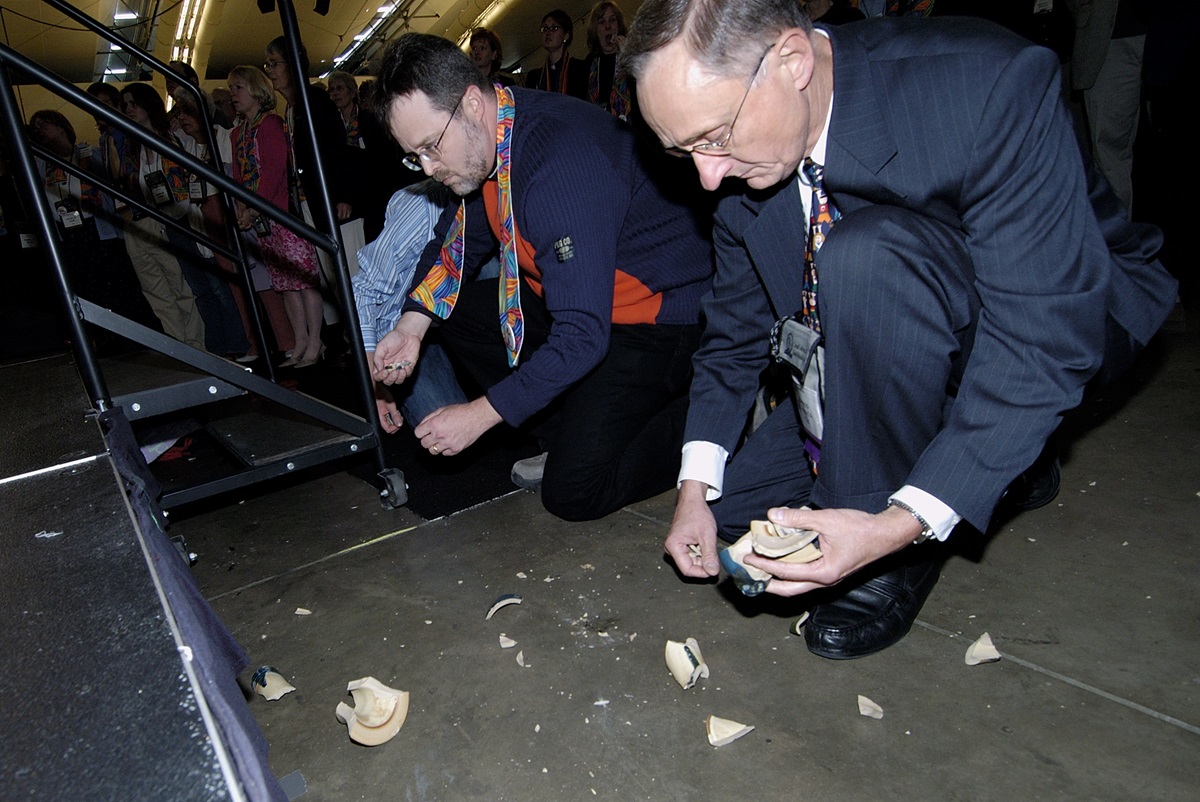
Delegates to the United Methodist Church’s top legislative body voted to retain the denomination’s statement that homosexual practice is incompatible with Christian teaching.
On May 4, delegates voted to slightly alter the current language in the Social Principles.
They deleted the words "although we do not" from a sentence in Paragraph 161G that goes on to say "condone the practice of homosexuality…" The delegates approved a revision to the language, which now says, "The United Methodist Church does not condone the practice of homosexuality and considers this practice incompatible with Christian teaching." They also added a clause that United Methodists "will seek to live together in Christian community."
An original motion from the Church and Society Committee stated, "We recognize that Christians disagree on the compatibility of homosexual practice with Christian teaching." But delegates approved a minority report that did not include that phrase. All legislation brought to General Conference is processed through committees such as Church and Society.
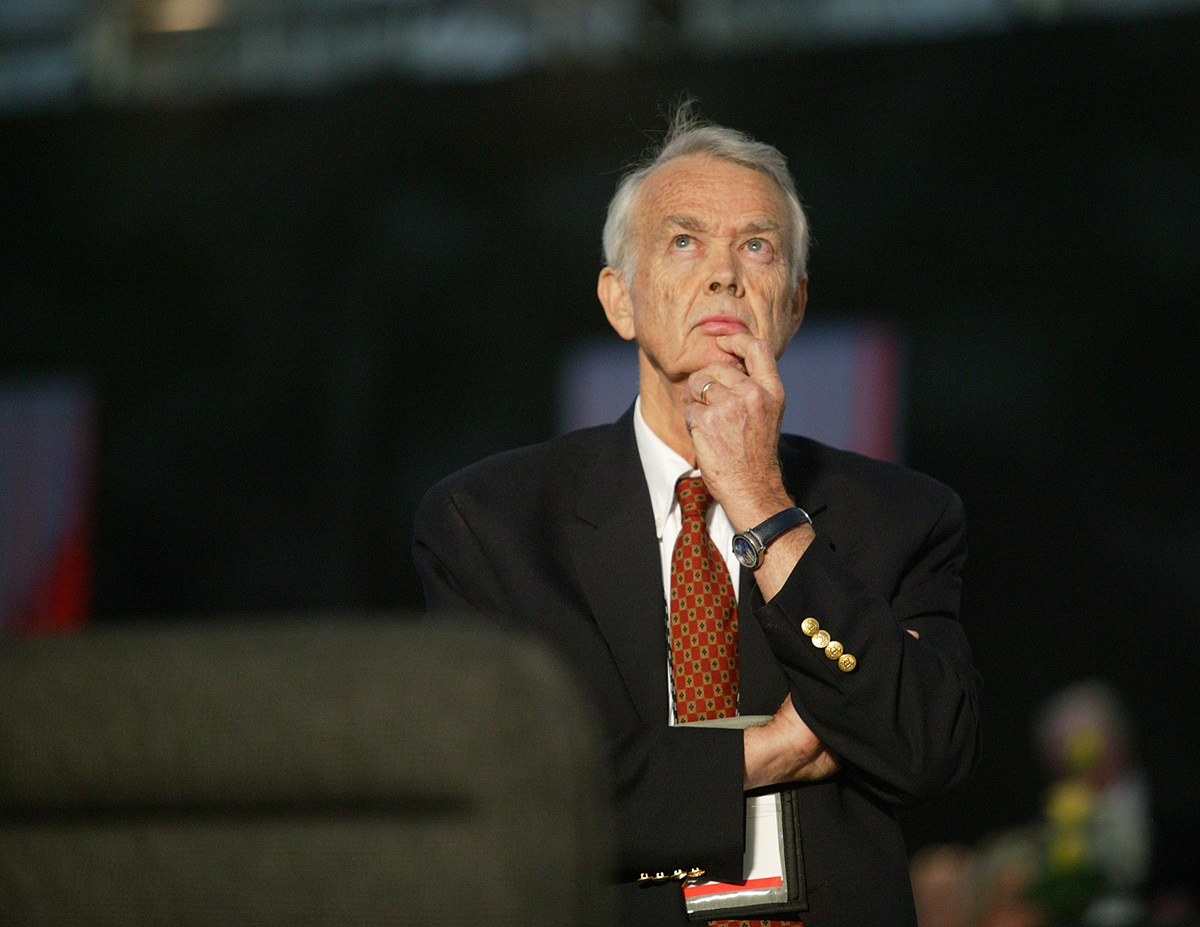
The Rev. Eddie Fox of Nashville, Tenn., said in a press conference after the 579-376 vote that if the church had not retained the language of Paragraph 161G of the Social Principles, that "serious consequences could have happened (and) a possible hemorrhage could have occurred."
Fox said the church was in "desperate" need of a clear, authoritative, declaratory statement made with compassion. He spoke in the assembly in favor of the change.
Numerous delegates from Africa spoke against homosexuality and requested that the church move forward in proclaiming the gospel.
One said that in African culture, it is "taboo" to speak about sexuality. "We do not want to be drawn into the issue," said Kasap ‘Owan Tshibang of the church’s North Katanga Area in the Democratic Republic of Congo.
Muland Aying Kambol, a delegate from the southern Congo asked if it is "permissible to spend so much time speaking about sin." If that is the vision of the church, he said, then "our church will surely die."
Samuel Quire of Liberia stated that the church "cannot license people to go to hell."
When asked if the approved statement was a response to the recent acquittal of a lesbian pastor, Fox replied that the delegate’s decision "is a response to all that has happened in society, in all churches, including that trial." He spoke of the importance of a clear statement from the United Methodist Church because it is being watched by other denominations.
The Rev. James Preston of Rockford, Ill., said the adopted statement was not a message of compassion but one that "clearly said that gays and lesbians are not welcome in the church."
"Hemorrhaging has already occurred, and I assure you that following this General Conference, quietly and with tears, we will splinter in many divisions," he said. The church did not speak the truth about itself and had a "healing option" but chose not to use it, he stated.
The Rev. Margaret Mallory of Perrysburg, Ohio, reminded delegates that the church is of two minds on the issue. "We do not become ‘less than’ because we admit that we disagree. In fact, we become ‘more than’ because we tell the truth and we live the truth."
Fox said the decision is a statement that is "important to the ministry we do and focuses on the call to spread the gospel."
*Green and Gilbert are United Methodist News Service news writers.
News media contact: (412) 325-6080 during General Conference, April 27-May 7. After May 10: (615) 742-5470.
Radio Stories
Like what you're reading? Support the ministry of UM News! Your support ensures the latest denominational news, dynamic stories and informative articles will continue to connect our global community. Make a tax-deductible donation at ResourceUMC.org/GiveUMCom.


