
As the second and final week of General Conference 2016 began here, a call came for a dogged focus on legislative work, to make sure all petitions that cleared committee would get a vote in the plenary session.
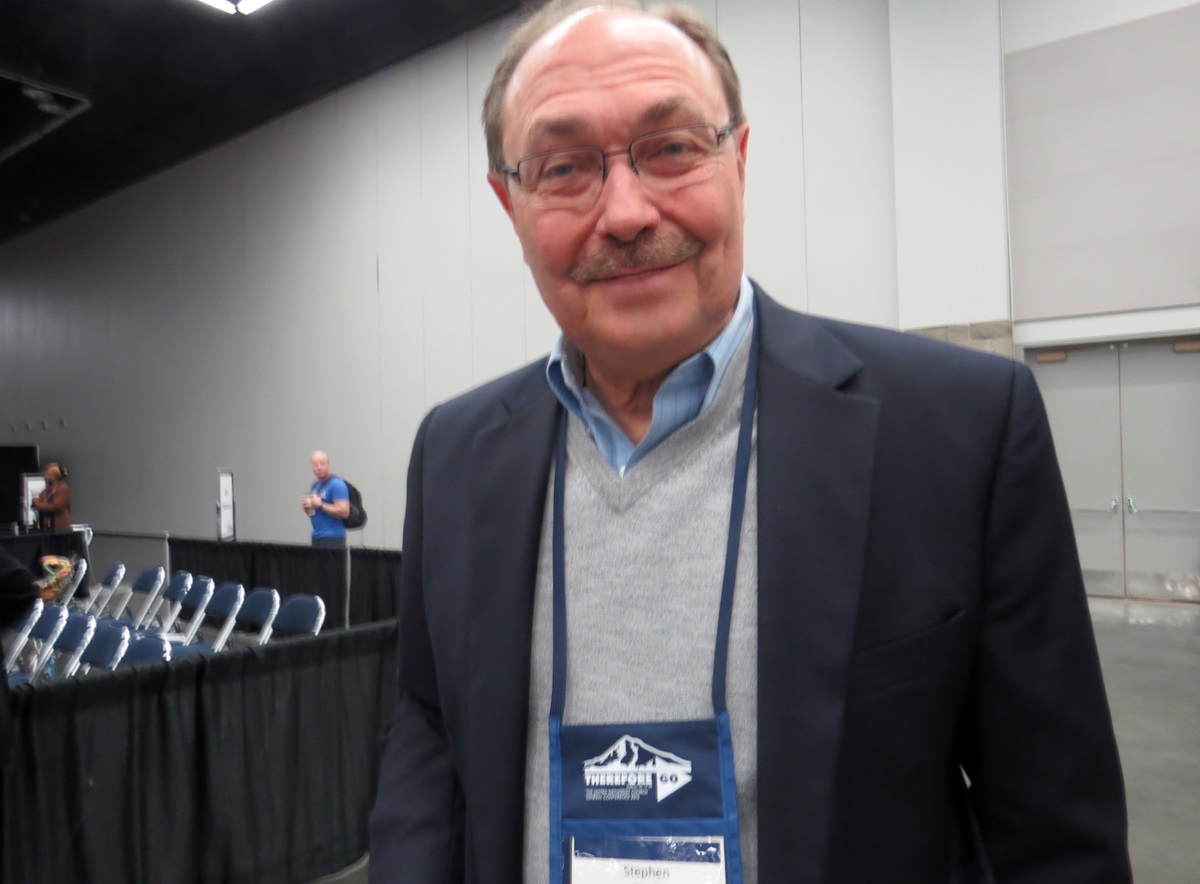
The Rev. Stephen Wende made a motion on the morning of May 16 asking to set everything but closing and opening prayers until all committee-approved petitions and “necessary elections” are considered in plenary.
Lonnie Chafin, a Northern Illinois Conference delegate, moved to refer Wende’s motion to the Committee on Agenda and Calendar for a report “on how imperative this may be.” The motion was referred on 534-279 vote.
“There may be time to do all that is before us,” Chafin said.
The Committee on Agenda and Calendar met over lunch break and reported back in the afternoon session.
"The committee hears the frustration behind the request, but we unamiously recommend that there be no changes to the schedule," said the Rev. Tracy Smith Malone, chair.
Some of those who are scheduled to be part of presentations will have come a long distance and can't reschedule, she said. She added that some of the presentations will be helpful in informing delegates about issues they'll vote on.
Malone said the committee encouraged all involved "to be better stewards of our time," and specifically asked that delegates be concise in making speeches and raising points of order.
Many reports and presentations, as well as worship services, are scheduled, but Wende said legislation must come first.
“All the presentations are wonderful, but people do not take two weeks out of their lives, travel halfway around the world — some of them, many of them — for presentations,” Wende, of the Texas Conference, told United Methodist News Service. “We’re here to do the work of the church.”
Wende noted that many petitions at General Conference 2012, in Tampa, Florida, passed in committee but were never considered in plenary for lack of time.
“Everybody keeps saying how important it is to make disciples of the Lord Jesus Christ for the transformation of the world … and yet the petitions from the Local Church Committee never made it to the floor,” he said.
The Rev. Forbes Matonga, of the West Zimbabwe Conference, said he had mixed feelings about Wende’s motion.
“We need to do what we’re supposed to do with legislation, so when other things preclude us from doing our business, it’s not good,” he said. “At the same time, we need to hear the stories.”
David Stotts, a reserve delegate from the Mississippi Conference, opposed Wende’s effort. He stressed the importance of daily worship services at General Conference.
“If we don’t focus on worship, God’s not among us,” Stotts said. “We’ve got to worship first, and then we can begin to tend to the work. I totally favor staying with the path that’s been set before us. There was too much prayer and time spent in discerning what we need to do.”
Wende’s motion came after a video report on The United Methodist Church’s Four Areas of Focus. Various other reports and presentations — including a half hour on remembering the 1864 Sand Creek Massacre — are planned along with worship services.
Wende said he would be willing to stay as late as needed on May 20, the last day of General Conference, to get those in, but repeated his feeling that legislation must come first.
Asked what reaction he had heard to his motion during a plenary break, Wende said, “People have been coming up to me saying, ‘Thanks for trying.’ ”
Sam Hodges, a United Methodist News Service writer, lives in Dallas. Contact him at (615) 742-5470 or [email protected]
Like what you're reading? Support the ministry of UM News! Your support ensures the latest denominational news, dynamic stories and informative articles will continue to connect our global community. Make a tax-deductible donation at ResourceUMC.org/GiveUMCom.


