
Key points:
- Disaffiliating from The United Methodist Church is an option that has long existed in the non-U.S. central conferences.
- Specific annual conferences are in the process of leaving, and some local churches have already followed a disaffiliation process.
- It’s best to regulate such matters at the annual conference level, to comply with the laws of the country in question.
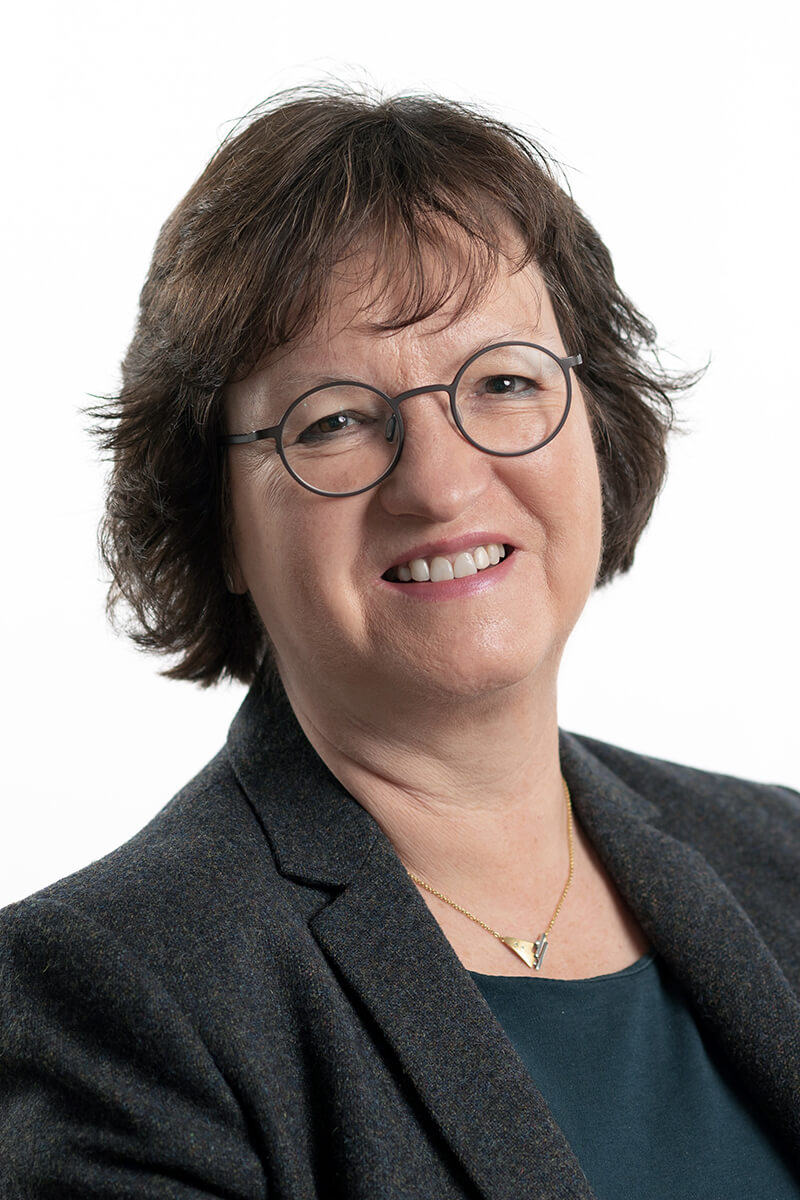
Photo courtesy of the author.
Commentaries
Editor’s note: Schneider is responding to a recent commentary by the Rev. Rob Renfroe. He wrote about why the traditionalist caucus he leads, Good News, will be advocating at the upcoming United Methodist General Conference despite having aligned with the Global Methodist Church.
Rob, you say that you are attending General Conference to help central conferences obtain their rights. Those in the developing world who are “predominantly poor and persons of color” must be able to leave the church if they want to, you write. Let me answer from a European perspective.
Your entire explanation is based on an error about disaffiliation rights. The right and the possibility to leave The United Methodist Church has existed in the central conferences for a long time. If that were not the case, how could churches in Estonia leave the denomination using a process defined by its central conference? How would it be possible that annual conferences in Eurasia and the Czech Republic are going through a disaffiliation process under Paragraph 572 of the United Methodist Book of Discipline?
I appreciate your concern, but we already have the right to separate from The United Methodist Church, and some are using that right.
Not only annual conferences, but also local churches in the central conferences have left the denomination, and some might do so in the future.
Annual conferences do have the possibility to determine the exit paths for local churches wanting to leave and they do so. Need an example? The Switzerland‐France‐North Africa Annual Conference has defined a procedure allowing 14 local churches in France to leave The United Methodist Church and to do so peacefully and in a mutually respectful way.
It makes sense to regulate such separations at the annual conference level. This allows us to comply with the legal context in the respective country and with our own rules regarding finances and church property. It may come as a surprise to you, but in these matters, churches outside the U.S. operate quite differently from those in the U.S., generally to comply with the laws of the home country.
In the central conferences, we do have functioning procedures for handling the disaffiliation of annual conferences and local churches. Extending disaffiliation options under something like Paragraph 2553 is therefore simply not needed here.
Thank you, Rob, for worrying about us and our rights, but you may stop. And please also stop speaking on our behalf. In the central conferences, we are quite capable of thinking and speaking for ourselves. And we are able to take care of matters in our regions without the perhaps well‐intentioned but often harmful help of outsiders.
Schneider is a reserve delegate to General Conference from the Switzerland‐France‐North Africa Annual Conference and a member of the Standing Committee on Central Conference Matters.
News media contact: Tim Tanton or Joey Butler at (615) 742-5470 or [email protected]. To read more United Methodist news, subscribe to the free Daily or Weekly Digests

