
Year 1: Sandy recovery — The work of many hands
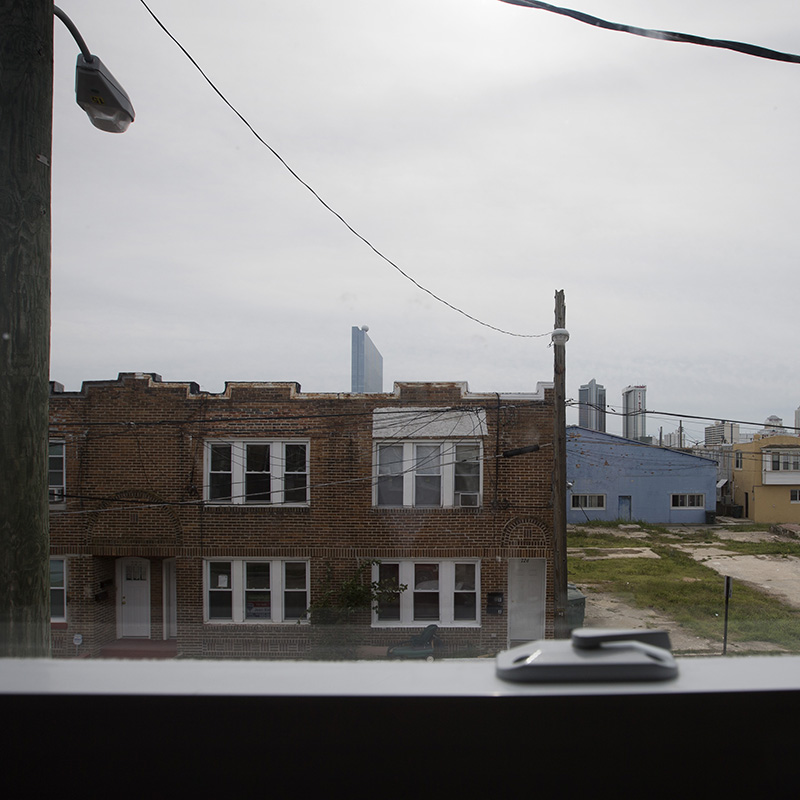
Sandy assumed several forms – tropical storm, hurricane, even “superstorm” – as it charted a path of destruction from the Caribbean to New York State at the end of October 2012. Whatever the description, the results were the same for hundreds of thousands. Everywhere in Sandy’s path, the people known as Methodists have been there to help survivors. Read how the force of Sandy unfolded and learn about those in its path.
Year 1: Sandy recovery — Different needs everywhere
From Santiago, Cuba, to Criswell, Md., to Far Rockaway, Queens, Staten Island, Brooklyn, Long Island and the Jersey shore, the recovery efforts began. The survivors shared common threads of need: immediate relief, assessment, repair, rebuilding and renewal from the emotional and spiritual toll. Learn what United Methodists did.
Year 1: Sandy recovery — Management the key
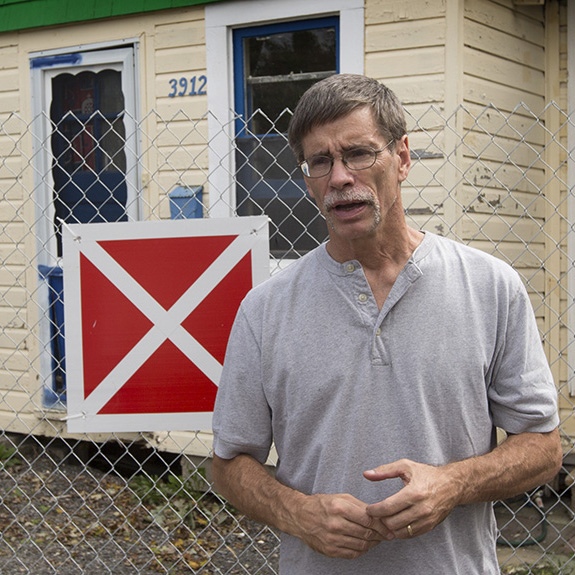
A rebuild averages four to five months and could take up to a year, but The United Methodist Church has become well known for disaster case management. “UMCOR is the gold standard,” said Bobbie Ridgely, director of A Future with Hope, Greater New Jersey’s Sandy relief organization. Read about how it works.
Year 1: Sandy recovery — Volunteers a lifeline
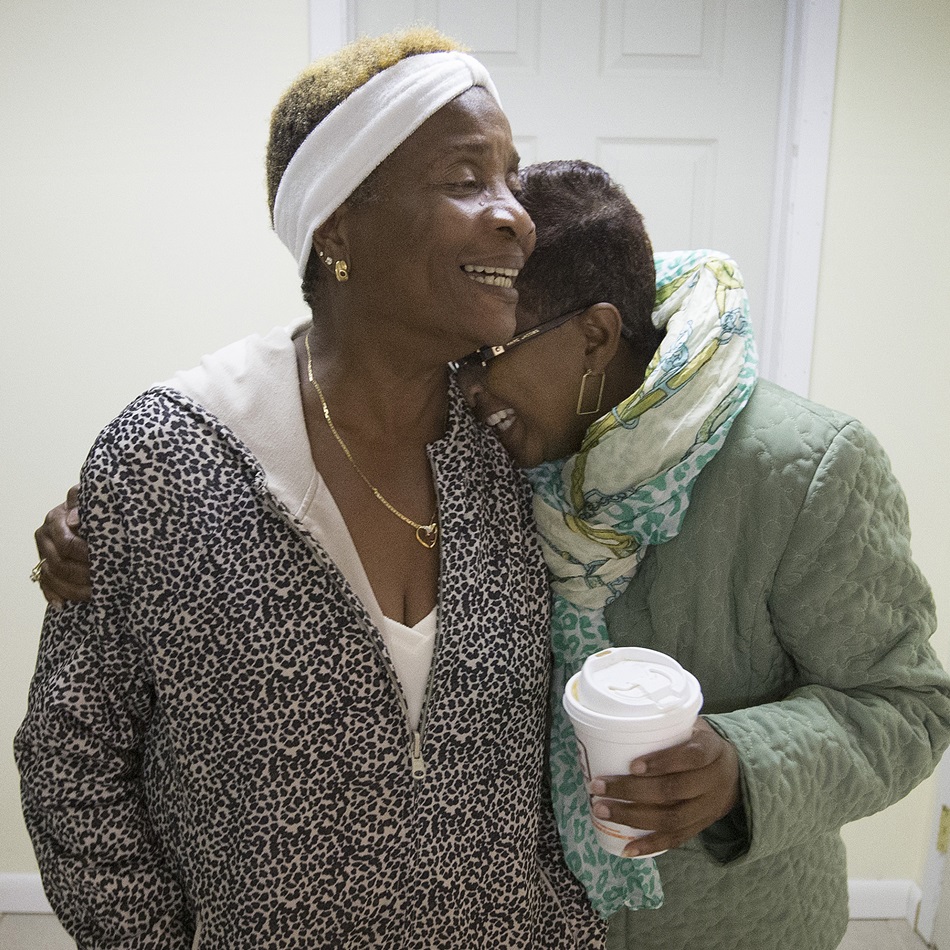
“If it wasn’t for them (the volunteers), believe me, it wouldn’t be the same,” said Hazel Gordon, who welcomed United Methodist volunteer teams from Tennessee, Ohio, Virginia and Alabama. “A lot of people, even in this block here, still aren’t finished.” Learn about ways in which the church made a difference.
Year 1: Sandy recovery — ‘Love Methodist volunteers’
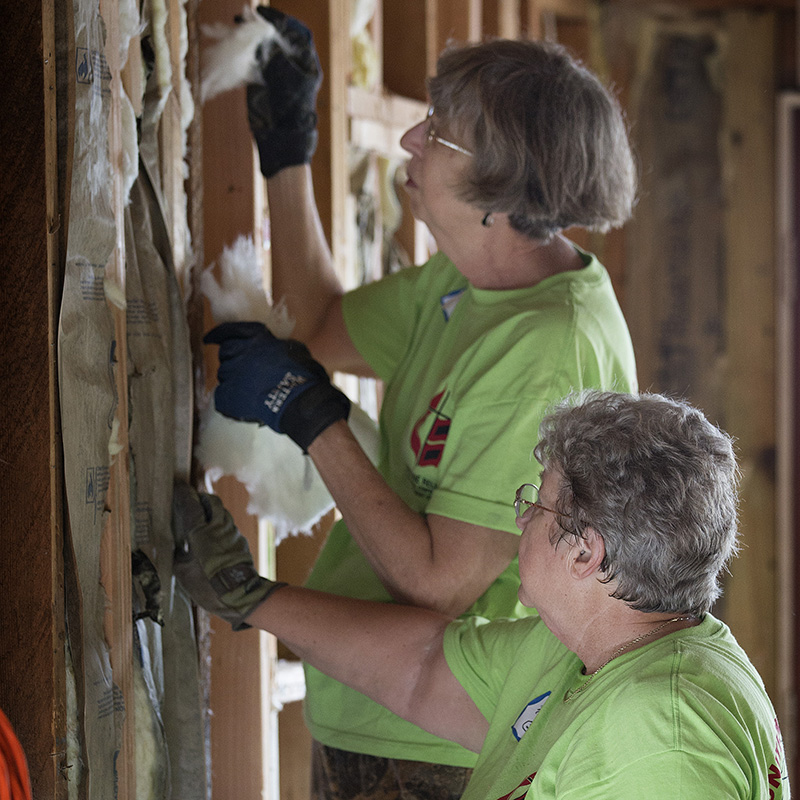
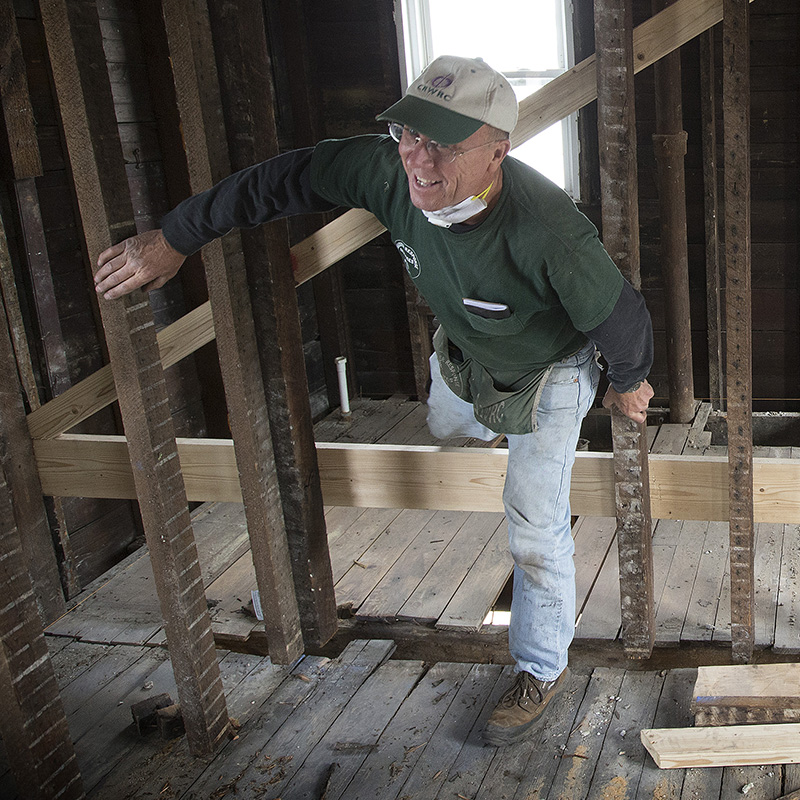
Volunteers are the backbone of United Methodist disaster response and nobody knows that better than the people who set up the work opportunities. “I love my Methodist volunteers,” declared Gillian Prince, who works in the New York Conference’s Brooklyn relief office. “They are the best…they come in ready and willing to work.” Meet some of those volunteers.
Year 1: Sandy recovery — Mission teams needed
Since many volunteer in mission teams plan six months in advance, the advertisement and recruitment for spring and summer of 2014 is crucial right now, says UMCOR’s disaster relief coordinator for the U.S. Recovery from Sandy is expected to take years, so relief coordinators have to keep Sandy on the front-burner for a long time. Volunteers a critical need.
Like what you're reading? Support the ministry of UM News! Your support ensures the latest denominational news, dynamic stories and informative articles will continue to connect our global community. Make a tax-deductible donation at ResourceUMC.org/GiveUMCom.


