
Key points:
- An aesthetic objection to adding a large screen became a theological question about how worship spaces distribute attention, ease and participation.
- Imagining what another person needs is not the same as asking.
- Access begins by asking people what helps them worship and allowing their answers to shape the room.
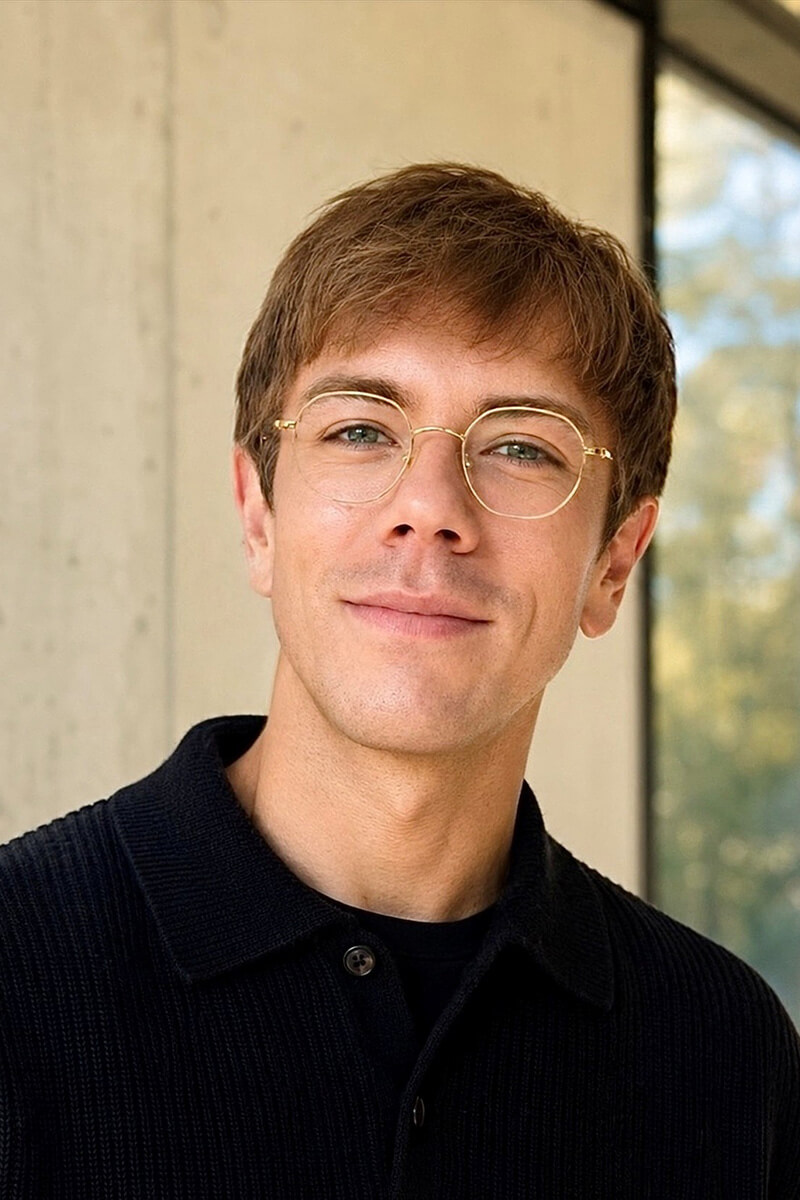
Photo courtesy of the author.
Commentaries
“I hate screens in a sanctuary,” I said flatly when one of our senior pastors raised the possibility.
“But I recognize that’s an aesthetic reaction.”
I meant both sentences.
I love what a sanctuary can do without explaining itself. Light settles on wood. The table, font, pulpit and cross hold their places without competing for the eye. A hymnal opens, thin pages stirring. Even silence seems to have architecture.
I could imagine the interruption: a bright rectangle hovering over the room, asking to be watched. I worried that prayer might begin to feel like presentation, that the old signs would become scenery, that worshippers would become an audience.
So I understand the frustration. I felt it first.
Then, as our pastors and worship staff kept talking, the conversation widened.
We began talking about people who do not arrive knowing the choreography of church. The visitor searching for the next line. The child learning the Lord’s Prayer by listening for the congregation to carry it. The worshipper who cannot easily hold a hymnal or read crowded print. The person who hears the invitation but misses the words of response.
No one dismissed my concern. No one won the argument. I had been asking what a screen would do to the room. My colleagues were asking what the room was already doing to people.
I felt my concern changing shape. It did not disappear. It became accountable to more bodies than my own.
That is where an aesthetic preference becomes a theological question. Aesthetic judgments are never only aesthetic when they shape who can participate easily, and who must ask the room to make space.
A sanctuary teaches before the sermon begins. So do the hymnal, the bulletin, the microphone, the lighting and the place where the eye is asked to rest. Christian worship has never floated above material things. It comes to us through water and bread, voice and gesture, paper and sound, wood and glass.
The question is not whether worship will be mediated — it already is. The question is what our forms make possible, and for whom.
For some people, a hymnal is home. Its pages carry harmony, memory and a treasury larger than one Sunday. For others, it is a book of unfamiliar codes. One worshipper enters and knows when to stand, where to turn and what kind of silence is being kept. Another watches the room, trying to keep up without being noticed.
Ease is not evenly distributed.
That can be difficult to see because practiced bodies make worship look effortless. Longtime members rise together, find the tune and answer in unison. Someone at the end of the pew may be counting pages, watching mouths or deciding whether asking for help will draw unwanted attention.
That does not mean every sanctuary needs screens. Projection is not automatically hospitable. Screens can command attention, flatten worship into slides and make the congregation dependent on the next click. A screen should not become the sanctuary’s new altar.
Nor are screens an accessibility cure. They help some worshippers and hinder others. Large-print materials, captions, assistive listening, clear spoken cues, thoughtful lighting, sensory awareness, digital copies and patient human guidance may matter more.
Imagining what another person needs is not the same as asking. Access begins by asking people what helps them worship and allowing their answers to shape the room. Newcomers, children and disabled worshippers are not problems for the church to solve. They are people whose experience and wisdom should help shape its common prayer.
Subscribe to our
e-newsletter
That listening changes the question. Accessibility is not a favor offered at the edge of church life. It reveals what we believe about the body of Christ.
For United Methodists, that conviction now carries constitutional weight. Our Constitution names “ability” among the characteristics that cannot be grounds for exclusion from worship, the sacraments or membership. If that promise is more than language on a page, it has to become visible in the rooms and practices through which we seek grace.
Tradition, too, is more than preserving fluency for those who already possess it. At its best, tradition is taught, handed on and more fully understood by those who receive it.
I was not wrong to care about beauty. A sanctuary’s visual grammar matters. Its restraint can shelter prayer. Its symbols can hold us when our own words fail.
But I had been imagining beauty without fully imagining all the bodies being asked to worship inside it.
After that conversation, the room looked different to me. Not less beautiful. More inhabited.
Perhaps a sanctuary is most beautiful when its signs remain clear and its people can join the prayer.
There will still be practical questions: placement, scale, brightness, timing, restraint. Churches may answer them differently. That is not failure. Discernment rarely gives every faithful community the same furniture.
But I no longer think the first question is whether a screen belongs in a sanctuary. The first question is whether the sanctuary is helping the people within it belong to one another in prayer.
I did not come to love the room less.
I began to see more clearly who was already there.
Pardue is resident theologian and organist at North Raleigh United Methodist Church and a visiting researcher at Boston University School of Theology. His work follows doctrine into the visible, audible, and embodied life of the church — through worship, images, music and material culture. He is especially interested in how these forms shape who belongs, who speaks with authority, and who is believed.
News media contact: Julie Dwyer at [email protected]. To read more United Methodist news, subscribe to the free UM News Digest.


