
Key points:
- For migrants seeking safety in the United States, vulnerability becomes a constant companion.
- The ministry of Jesus is solidly grounded in care for the vulnerable.
- As the church that embodies the presence and ministry of Jesus, our faithfulness is shown and made real through our ministry with the most vulnerable.
Commentaries
Finding ourselves and our families in danger and vulnerable to events or realities beyond our control, a natural survival response could very well be to escape the threatening and danger-filled situation in search of safety and greater security. However, the trek in search of security may well expose us to new and unexpected vulnerabilities. Sometimes, our escape may be frightening and full of insecurities, unknown dangers and vulnerabilities. One set of vulnerabilities is exchanged for another set of vulnerabilities.
For migrants seeking safety in the United States, vulnerability becomes a constant companion. It is probably one of the greatest risks that migrants face as they seek to escape life-threatening situations in their homeland. Beginning with the coyotes, who promise safe and successful journeys and entry to the U.S. after a hefty price but are known for abusing and even abandoning the migrants seeking safety.
The road to safety is difficult and uncertain. It offers risks day and night. Reaching the border presents an even greater challenge and physical vulnerabilities. Jumping a fence, swimming across a river or walking miles in the desert are dangerous feats.
Successfully crossing the border, however, does not mean that the vulnerabilities faced by the migrants are behind them. Arriving migrants are vulnerable to other sources and types of vulnerabilities. Their arrival is not met with open and promising arms. With their hopes and dreams of a promised land, migrants are quickly subject to suspicion, treated as criminals and relegated to poor holding conditions at the border. They are also subject schemes that rob them of their resources, freedom and dignity.
The recent episode of migrants offered misleading promises of jobs, housing and food if they were willing to be taken to cities deep in the country presents a new type of vulnerability. Preying on the dreams and hopes of migrants, unscrupulous individuals and groups made misleading promises of hope: the vulnerability of false hope. In essence migrants were vulnerable to accepting what appeared to be the honest and trustworthy good will of groups with other intentions. Migrants were exposed to political vulnerability. They were subjected to public manipulation for political interest and purposes out of and beyond their control. Their already vulnerable situation became more vulnerable.
Subscribe to our
e-newsletter
As a church, United Methodists are called to care for the vulnerable, whether their vulnerability is physical, financial, legal or political. The migrant population is in our midst, whether in the United States or Latin America, at the border, or in the interior of our country. We are surrounded by migrants vulnerable at every step of their journey and presence in our communities.
The ministry of Jesus is solidly grounded in care for the vulnerable. Caring for the most vulnerable was central in his teachings and example. Jesus stopped to care for the vulnerable in his midst: the blind, the sick, the paralyzed, the prostitute and those rejected by society. A central component of his ministry is illustrated by his story of the traveler on the road who encountered a man who had been subjected to physical and other inhumane treatment, left to survive on his own, and ignored by others. Care for the vulnerable was immediate and direct. It also provided provisions for continuing care.
As the church that embodies the presence and ministry of Jesus, our faithfulness is shown and made real through our ministry with the most vulnerable. As migrants travel through our midst, we are called to stand up for their humanity and dignity in the face of vulnerability, even and especially political vulnerability.
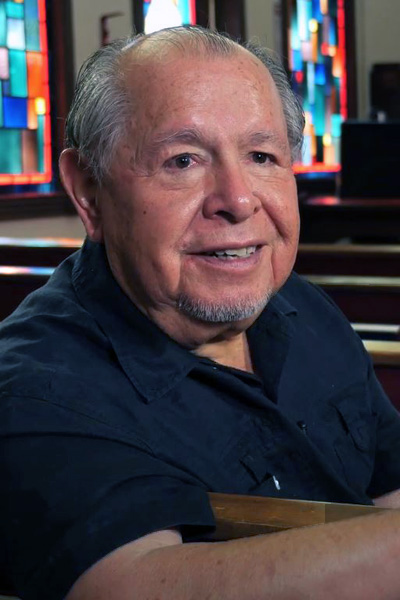
Maldonado is a retired elder from the former Rio Grande Conference and Perkins School of Theology.
News media contact: Tim Tanton or Joey Butler at (615) 742-5470 or [email protected]. To read more United Methodist news, subscribe to the free Daily or Weekly Digests.


