
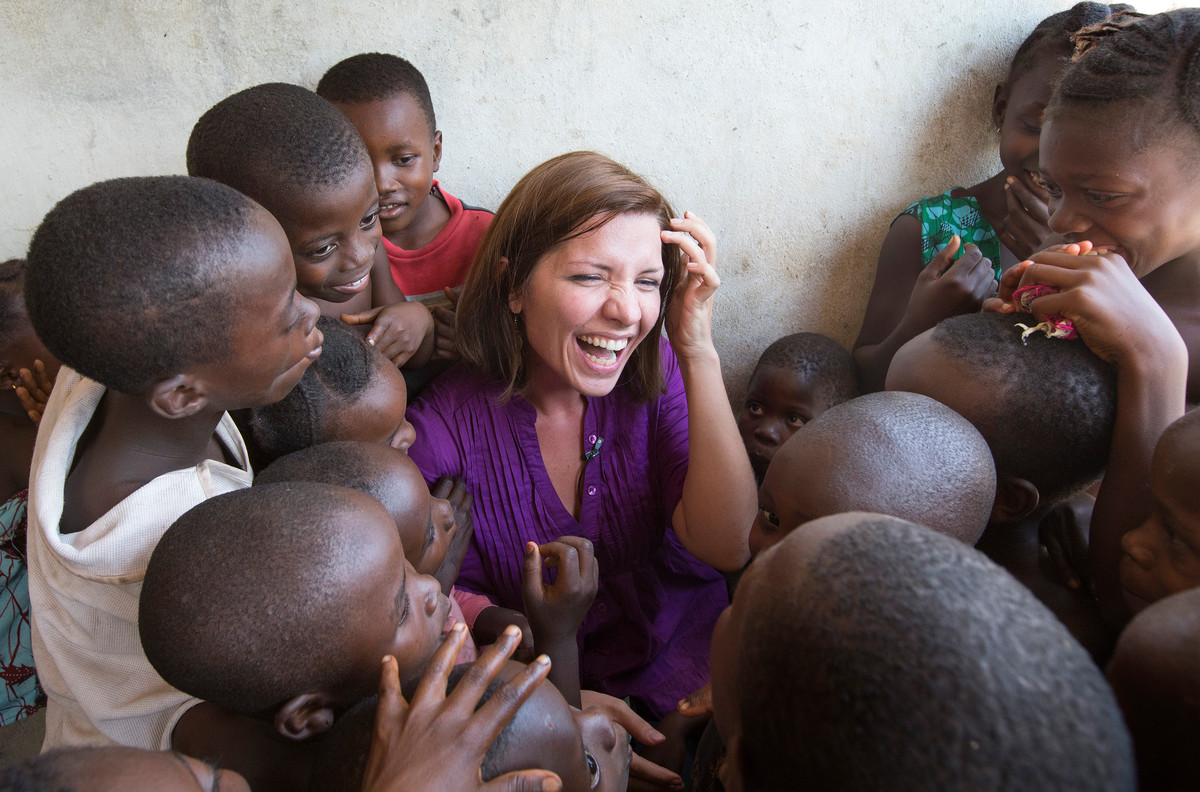
United Methodist Communications will host the Game Changers Summit Sept. 3-5, 2014, in Nashville, Tenn. The conference will demonstrate how information and communications technology (ICT) can be used to improve all facets of life. The focus? Helping parts of the world left behind by the technological revolution, to solve problems in education, wellness and community development with cutting-edge communications tools. This article series will spotlight some of the speakers and panelists participating in the Game Changers Summit.
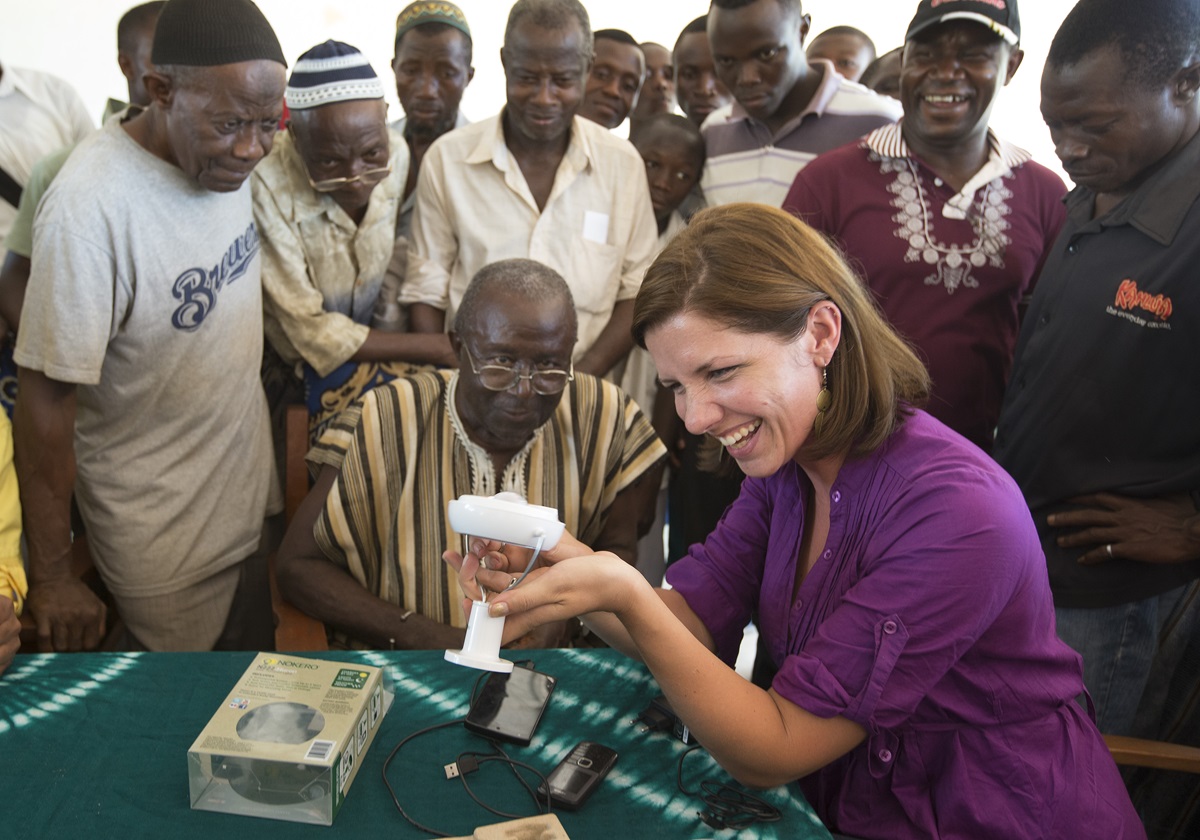
Maeghan Orton knows something as simple as a handle on a laptop can make the difference between a useful piece of technology and a “very expensive paperweight.”
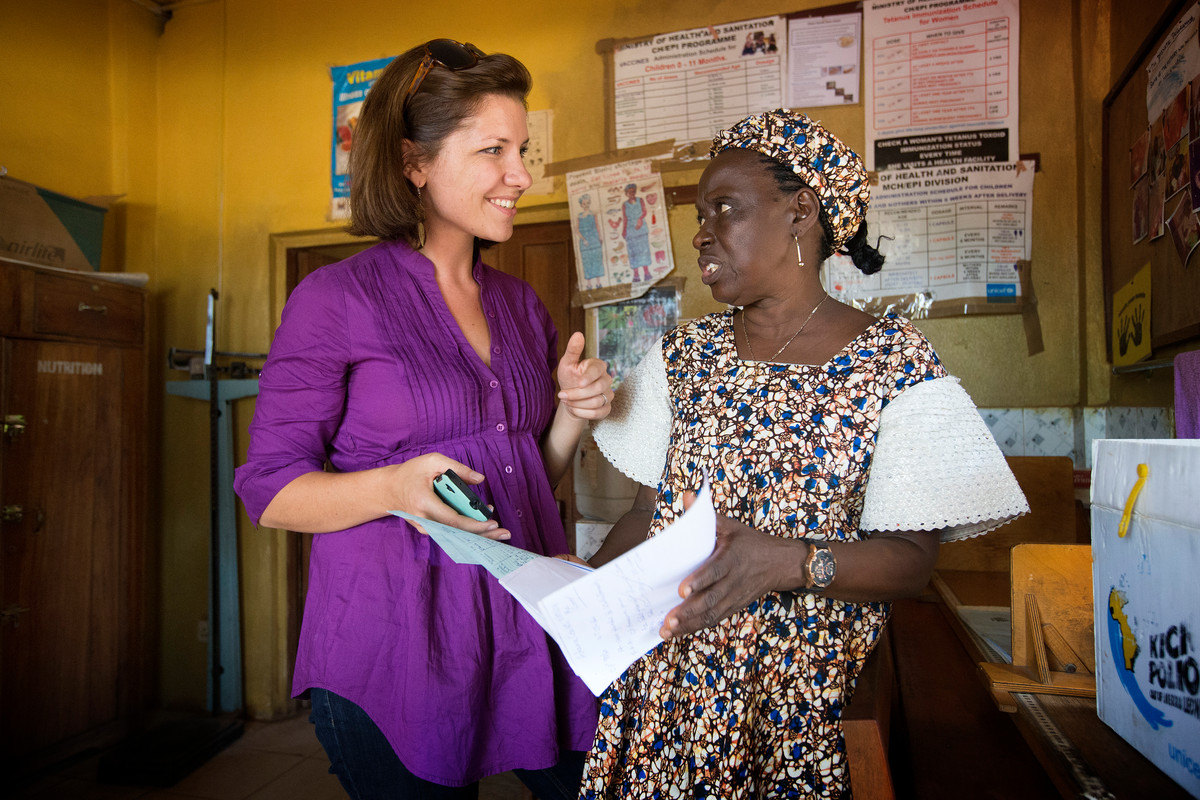
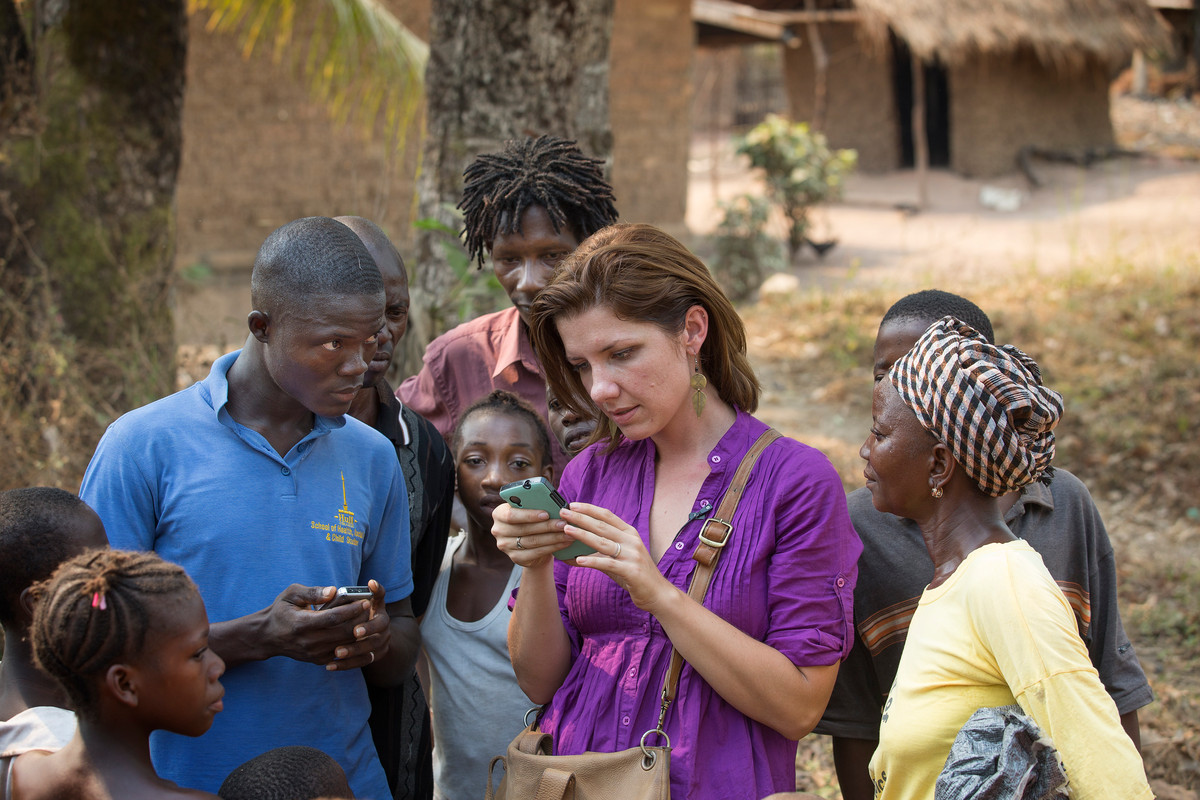
Orton manages Medic Mobile’s East Africa program from a base in Nairobi. Medic Mobile builds software for health workers, patients and families, and Orton works with local partners to help implement the systems on the ground. Medic Mobile is a technology partner with United Methodist Communications.
Living in Nairobi, Orton knows that the locals don’t carry large purses, so they can only carry so many things in their hands.
“If somebody’s heading home and they don’t have a purse and all they’re wearing is a wrap skirt, if you’re making the choice of holding onto your skirt or re-adjusting your laptop, you’re going to choose your skirt. And then there goes the laptop.”
That’s why Orton is so fond of a line of durable clamshell laptops with attached handles.
Her hands-on work in the technology for development field has shown her that no matter how impressive the app or device, if it isn’t seen as useful by the community it’s intended to help, they won’t use it.
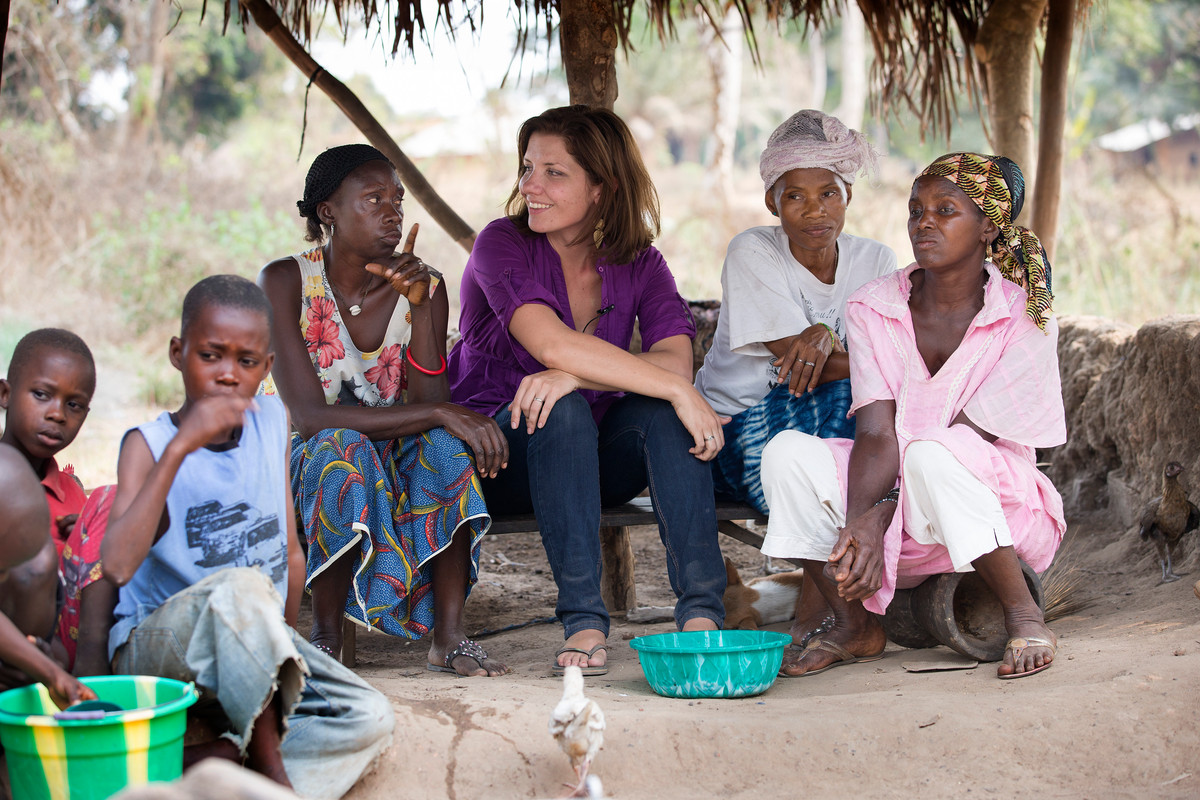
“You need to take the time to slow down, listen to people and build something they’re excited about too. Developers are often so far removed from the end user, which makes it hard to build systems that are exciting to the end user,” she says.
Knowing that not everyone interested in participating in technology for development has the opportunity to live and work in the country they’re trying to help, Orton hopes to share her own experiences and gleanings with attendees at the Game Changers Summit. She feels that hearing from those on the frontlines will inspire others to get involved.
“On the other side of the ocean it’s hard for me to communicate how much tech is changing the trajectory of development,” she says, adding that attendees will “get an understanding for why we’re excited and breaking down the barriers of whatever limits people from thinking they have a role to offer.”
*Butler is a multimedia editor/producer for United Methodist Communications.
Be a game changer! Register for the Game Changers Summit, Sept. 3-5, 2014.
Like what you're reading? Support the ministry of UM News! Your support ensures the latest denominational news, dynamic stories and informative articles will continue to connect our global community. Make a tax-deductible donation at ResourceUMC.org/GiveUMCom.


