
Key points:
- In 2024, nearly 49,000 people in the United States died by suicide – about one person every 11 minutes.
- There has been little formal training to help faith leaders to recognize the signs that a member of their congregation may be contemplating suicide.
- A free online training course on preventing suicides is available at the website of United Methodist Higher Education and Ministries.
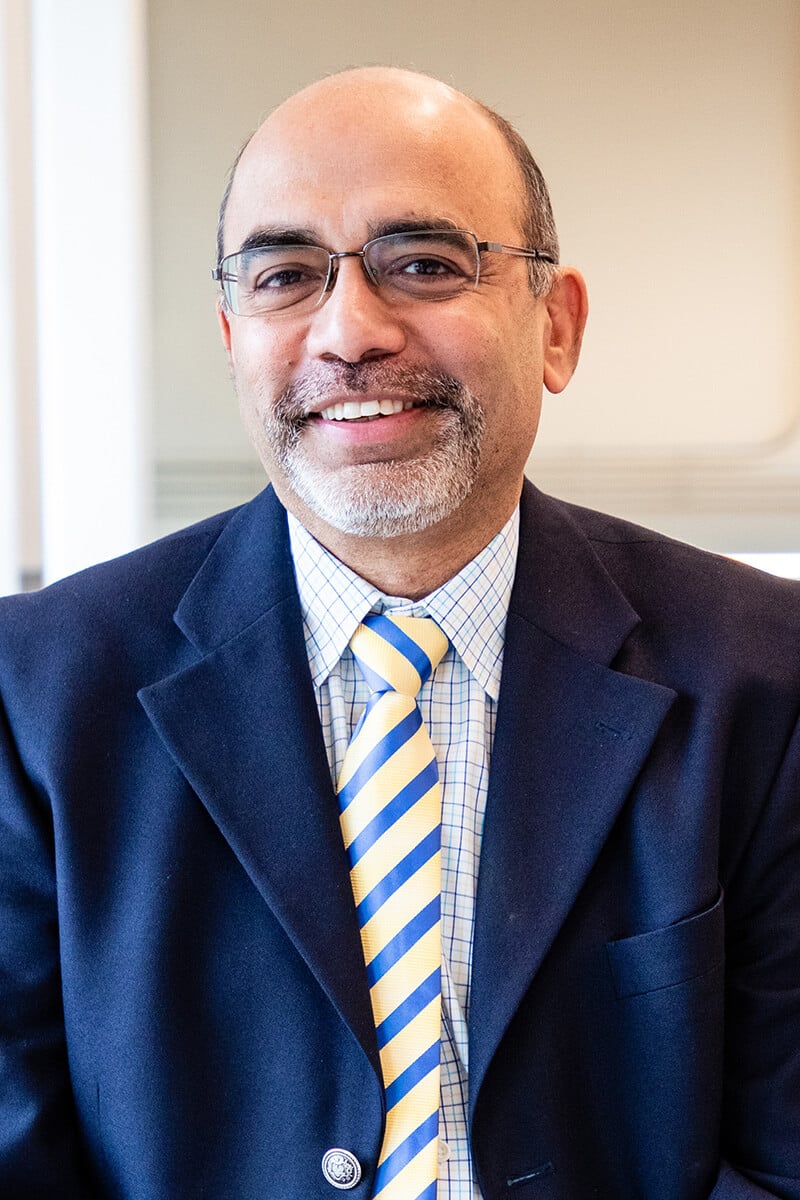
Photo courtesy of the author.
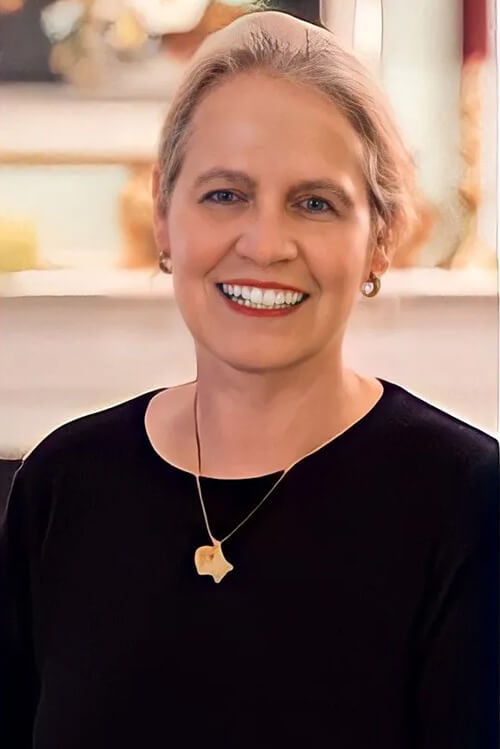
Photo courtesy of the author.
Commentaries
Anne Mathews-Younes recalls that her grandfather, E. Stanley Jones, a prominent Methodist missionary, once told her of a woman who had decided to end her own life.
As the woman crossed the living room toward her kitchen, where she intended to take an overdose of pills, a copy of Jones’ devotional book “Abundant Living” suddenly fell from a shelf and landed at her feet. She picked it up and began reading, staying up through the night. She ultimately chose another path.
As we mark September as Suicide Prevention Awareness Month, the most important question in this story is not whether a miracle occurred. It is why a woman was suffering so deeply that no one intervened before she reached that moment.
How many people in our own congregations are carrying similar feelings of despair?
In 2024, nearly 49,000 people in the United States died by suicide — about one person every 11 minutes. Worldwide, the World Health Organization estimates that suicide ranks third among all causes of death for people ages 15 to 29 years old. Behind every number is a family, a congregation and a community asking what could have been done to prevent a needless death.
Faith leaders encounter suicidal distress directly. In a study of 801 U.S. Catholic, Jewish and Protestant clergy, two-thirds of those who offered counseling reported contact with at least one suicidal person each year. Most said they needed more training.
Suicide prevention is not only a mental health concern. It is also a ministry concern. Certainly, faith communities cannot replace mental health professionals. But if we believe every life is sacred, then how do faith leaders help people find hope and care before a crisis becomes a tragedy?
Confront stigma and silence
Too often, churches talk about suicide only after a funeral. In fact, churches have not always been safe places to discuss suicide. We are often more comfortable celebrating resilience than discussing depression, despair or thoughts of self-harm. Yet silence does not protect people. It can leave them feeling even more alone.
A 2024 United Methodist resolution acknowledges the church’s history of condemnation and punitive theology. In interviews about suicide stigma in Christian communities, participants described silence, shame and pressure to appear well.
United Methodist Social Principles affirm that suicide does not bar anyone from God’s grace. Congregations can make that teaching visible by speaking plainly about mental health, avoiding judgmental language and offering families grieving a suicide the same care offered after other deaths.
Build connection and paths to care
Faith communities bring people together through relationships, worship and shared meaning. At their best, they give people somewhere to belong and someone likely to notice when they withdraw.
But belonging is not automatic. A congregation can be full of people and still fail to notice someone who is struggling. Belonging needs practical support.
The National Action Alliance for Suicide Prevention describes congregations as communities of connection that can offer narratives of hope, education and advocacy. Congregations can maintain referral lists, build relationships with local clinicians, publicize the 988 Suicide and Crisis Lifeline and establish clear response procedures. They can accompany people receiving treatment and continue caring for families after a suicide loss.
Subscribe to our
e-newsletter
Faith leaders are not expected to diagnose or treat suicidal people. Their role is to notice, listen without judgment, ask direct questions when concerned and connect people with professional care.
Train clergy and lay leaders
There has been little formal training to help faith leaders to recognize the signs that a member of their congregation may be contemplating suicide. A 2017 national survey of 1,000 Protestant senior pastors found that 59% had never received formal suicide-prevention training and that most wanted more training. A resolution titled “Suicide: A Pastoral Response” in the 2024 United Methodist Book of Resolutions calls for clergy and seminarians to be equipped to recognize risk and make appropriate referrals.
To help address this need, the E. Stanley Jones Foundation and the United Methodist Board of Global Ministries have developed a free online training course for clergy and lay leaders focused on recognizing warning signs, responding appropriately and connecting people with professional care.
Suicide Prevention for Faith Leaders and Faith Communities is a free online video course available on the Higher Education and Ministries website and narrated by retired United Methodist Bishop Gregory V. Palmer.
The course was developed with United Methodist clergy in mind and is also intended for seminarians, lay leaders and leaders from other faith traditions to prepare people to serve as compassionate gatekeepers who recognize risk, respond appropriately and connect people to care. Individuals and groups can complete it in full or use it one chapter at a time.
We invite United Methodist clergy, lay leaders and congregations to take the training, review their response plans and strengthen relationships with local mental health professionals.
Faith communities cannot solve the suicide crisis on their own. But they can help ensure that fewer people suffer in silence. The question before us is this: Will our churches be places where struggling people feel safe enough to ask for help before despair becomes tragedy? Lives depend on the answer.
Fernandes is the top executive of the United Methodist boards of Global Ministries and Higher Education and Ministry. Mathews-Younes is president of the E. Stanley Jones Foundation.


