
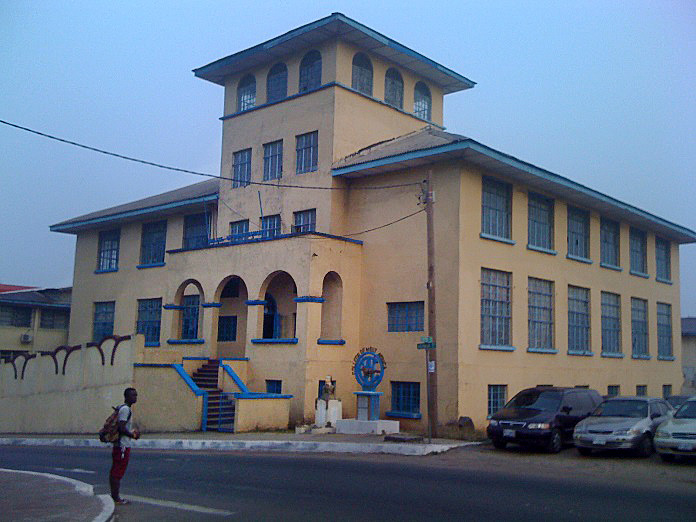
The United Methodist University plans to launch its graduate school of theology in March with the goal of ensuring clergy in Liberia have a place to earn a Master of Divinity.
“We have been granting diplomas and undergraduate degrees since the Gbarnga School of Theology was founded in 1959,” said the Rev. Yatta Young, dean of the new graduate school and former dean of the Gbarnga School of Theology, one of five colleges operated by the university.
The hope, she said, is that all United Methodist clergy in Liberia will have a minimum of a Master of Divinity. The graduate school will begin with the divinity program and move onto other fields, including peacebuilding.
Bishop John G. Innis said one of the Four Areas of Focus for the church is developing disciplined, effective United Methodist leaders. “Having a graduate school of theology will fulfill and strengthen that focus by educating well-disciplined, well-trained pastors,” he explained.
“Having an educated clergy and trained theologians is of paramount importance to the church,” Innis said.
Young said The United Methodist Church in Liberia has reached a point at which it needs to upgrade its scholarly ministry to the people of Liberia, including the more than 200,000 United Methodists in the country. “We have long provided primary, secondary, and college education,” she noted. “It is now time that we upgrade to graduate level.”
The university is prepared to run a graduate program with an array of faculty members, all of whom have their doctorates in several theological fields, Young said.
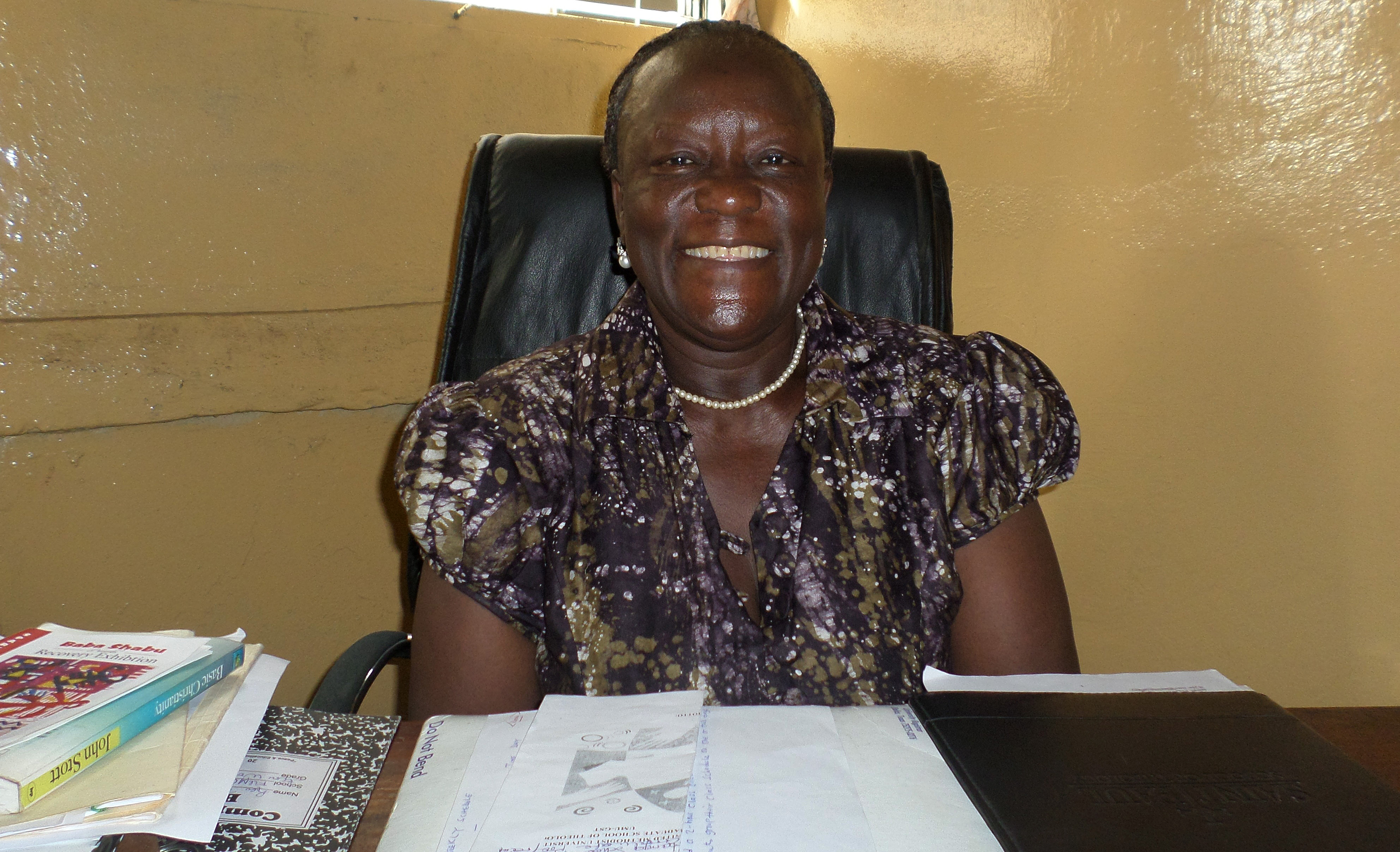
The Rev. Yatta R. Young is the new dean of the new graduate school of theology opening March 2015 with a divinity program. Young is the former dean of the Gbarnga School of Theology. Photo by Julu Swen, UMNS.
Textbooks needed
Educational authorities in Liberia raised the issue of textbooks during a consultation process for the graduate school, said Young, who explained that the university plans to ask the denomination’s Board of Higher Education and Ministry and Discipleship Ministries to provide some e-readers for the students.
The Rev. Stephen Bryant, Discipleship Ministries associate general secretary for Central Conference Relations and Resourcing, said the E-Reader Project is eager to work with Young and the new graduate theology program when the timing is right.
“Our first priority must be the 16 seminaries in Africa in the original plan, which includes Gbarnga where we piloted and started the e-reader program while Yatta was the dean. So Yatta is a great pioneer and we are eager to expand with her, as we are able," Bryant said.
Young said the university and the Ministry of Education – the government agency responsible for education matters – are working on resolving a few concerns before the United Methodist University Graduate School of Theology begins full operation.
The recruitment process is expected to start on Jan. 31, with an entrance exam in Monrovia and on the campus of the Gbarnga School of Theology for students outside of Monrovia.
“We will start with 50 students,” Young said, adding that classes will start in a College of West Africa building, a church property that is part of the United Methodist University campus. Eventually, it will move to the Gbarnga School of Theology campus.
The university plans to hold long overdue graduation ceremonies on April 28. Graduation was cancelled last year because of Ebola.
*Swen is editor and publisher of West African Writers, an online publication about United Methodist happenings in West Africa and assists the denomination in Liberia with coverage for United Methodist Communications.
News media contact: Vicki Brown, [email protected] or 615-742-5469.
Like what you're reading? Support the ministry of UM News! Your support ensures the latest denominational news, dynamic stories and informative articles will continue to connect our global community. Make a tax-deductible donation at ResourceUMC.org/GiveUMCom.


