
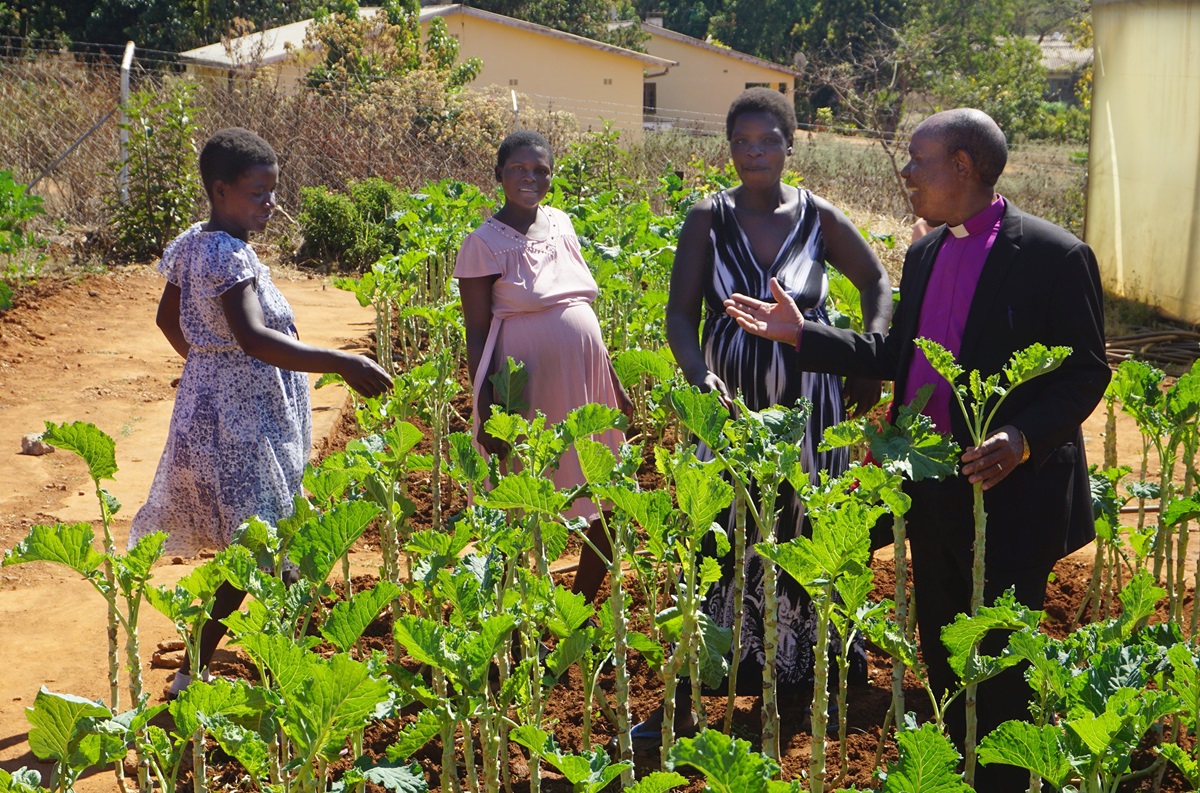
When a woman is pregnant, she is filled with an ocean of emotions, which may include anxiety, excitement and fear about what is good and safe for her and her unborn baby.
It is a time when a mother needs strong care.
A unique garden at Old Mutare Mission Hospital is feeding the women’s hearts, souls and bodies.
The garden is maintained by the women as they await the arrival of their babies. The addition of healthy vegetables means the women will not go hungry if their families cannot supply them with food.
“The garden helps us to supply our kitchen. If you run short of money to buy meat, you can just turn to the garden and get fresh vegetables, which is healthy to both the mother and unborn child,” said Sithembile David, 17, who is expecting her first child.
“I have found it very helpful because you do not feel miserable without anything to cook,” she said. “Sometimes, I may fail to get someone who visits me from home with additional food. In that case, I survive because of the garden.”
Bishop Eben K. Nhiwatiwa recently toured the garden and said he was happy to see the mothers working in the garden.
“I am happy with this initiative of having a nutrition garden specifically for expecting mothers … An expecting mother has a right to a balanced diet of which vegetables is part of it. They are not allowed to feel hungry whatsoever.”
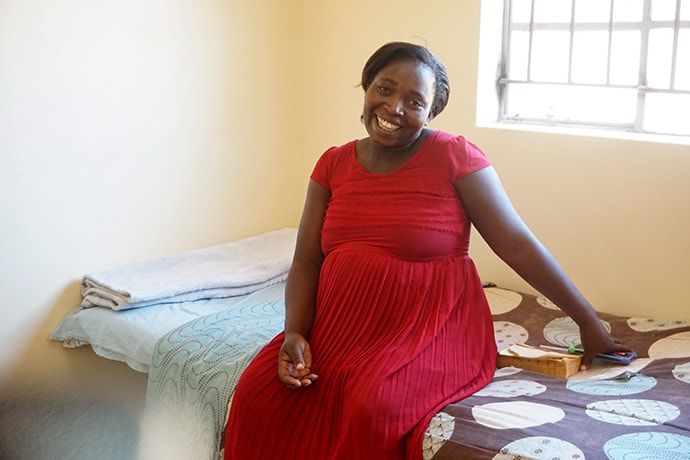
Emelda Chikami shows off her accommodations at Old Mutare Mission Hospital in Mutare, Zimbabwe, where she will stay until her baby arrives. Chikami and other expectant mothers are helping tend to the hospital's garden, which provides fresh vegetables to the women during their stays. Photo by Kudzai Chingwe, UM News.
In addition, he said, “there are some husbands who fear responsibilities especially when the wife falls pregnant. The woman may suffer neglect and negligence. In such situation, it is the prerogative of the church to bridge the gap and bring the situation to normalcy.”
Sophia Chindondondo, 40, who is expecting her seventh child, said, “The garden is very helpful to us because by working in it, you will be exercising. We are being encouraged by the nurses to always exercise for at least 10 to 30 minutes a day.
“As we water the vegetables or plant seedlings, it will be part of the exercise. When we are healthy, the baby will be healthy as well. Even during delivery, you will not face a lot of challenges if you had been exercising.”
Angela Macherechedze, sister in charge for the family and child health unit, said the main objective of establishing the garden is to enable mothers who are coming from far away and from humble backgrounds to have a meal on their tables.
Some are not financially sound, especially taking into consideration the current economic situation of the country, and few can afford a decent meal, she said.
The garden provides tomatoes, cabbage, carrots and peas, and gardening is therapy for the women as well, because it helps occupy their minds, said Macherechedze.
“Of late, we have also discovered that some mothers come without the skills and knowledge of farming, including how to water or plant vegetables, and this has acted as a skills development project,” she said.
Monica Nzarayebani, the hospital administrator, said the women who are waiting to deliver are given two meals per week from the hospital to supplement the food they have brought with them or that their families provide during their stay.
“We are happy that the garden is playing a bigger role, especially to those who cannot afford to buy relish,” Nzarayebani said.
“My wish is for the hospital to increase the number of food supplies to the mothers per week so that we ease their burden.”
Nhiwatiwa said perhaps churches could be asked to contribute toward additional food for the expectant mothers.
“We should not give double stress to pregnant women — that of carrying a baby and looking for food. As a church, we abide by the Bible which says, ‘God is love, therefore let us do things of love.’”
Chingwe is communications coordinator for the Zimbabwe East Annual Conference. News media contact: Vicki Brown at (615) 742-5470 or [email protected]. To read more United Methodist news, subscribe to the free Daily or Weekly Digests.
Like what you're reading? Support the ministry of UM News! Your support ensures the latest denominational news, dynamic stories and informative articles will continue to connect our global community. Make a tax-deductible donation at ResourceUMC.org/GiveUMCom.


