
United Methodists are saying “no” to tacos.
Specifically, the denomination is joining several other communions in the National Council of Churches, as well as the council itself, in observing the Taco Bell boycott initiated by the Florida-based Coalition of Immokalee Workers.
The consumer boycott is in protest of Taco Bell’s refusal to address the issue of alleged worker exploitation by its tomato suppliers, including poor wages and a lack of fundamental labor rights.
Methodists Associated Representing the Cause of Hispanic Americans (MARCHA) brought the boycott petition before the United Methodist General Conference, which passed it without debate along with other items on a consent calendar.
Among the criteria for the lifting of the boycott is for Taco Bell to “convene serious three-way talks” with the workers and tomato suppliers. United Methodists will establish a monitoring committee to assess the progress of negotiations.
Denomination-wide boycotts are rare in the United Methodist Church and can only be approved by General Conference, the top legislative body.
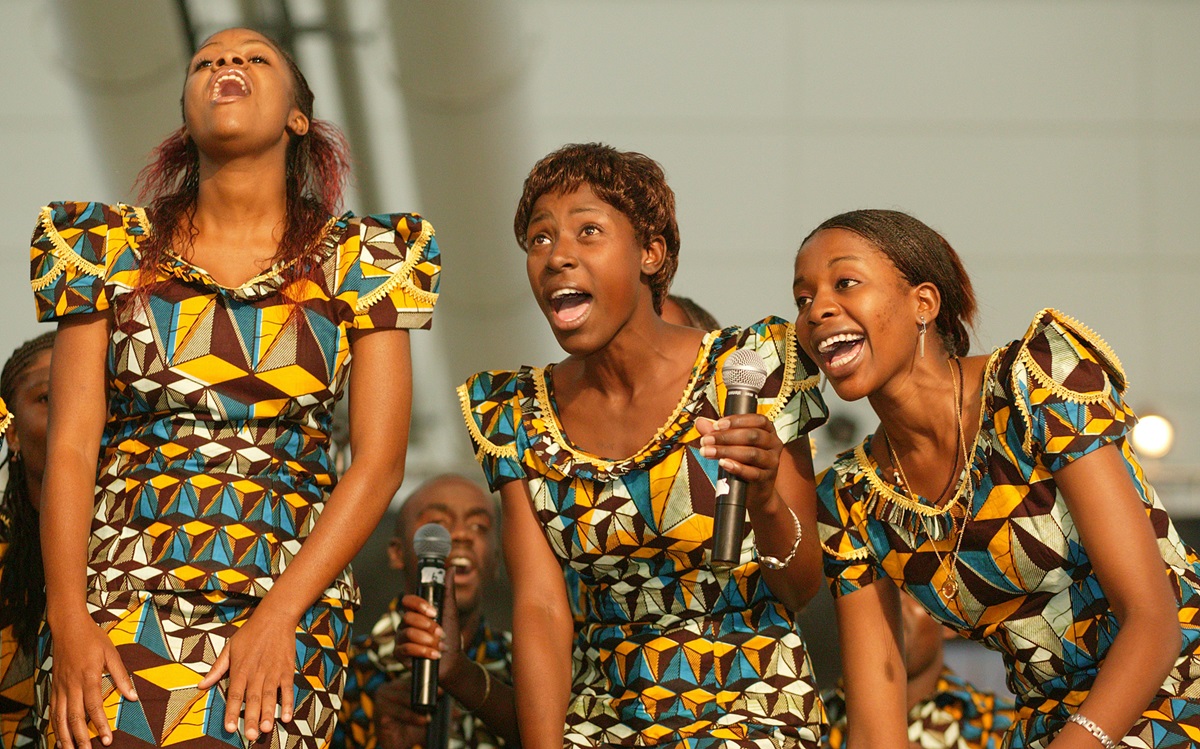
Supporters of Africa University want United Methodists to continue to say “yes” to the church-related school in Zimbabwe. General Conference delegates received a “thank you” May 3 for past support of the university. Bishop Nkulu Ntanda Ntambo, the school’s chancellor, said it already is making an impact on the African continent.
The school opened in 1992 with 40 students who met in converted barns and chicken coops. Today, 1,283 students study education, agriculture, business administration, health, science and theology in 30 debt-free, state-of-the-art buildings. To date, the university has graduated 1,059 students from 24 nations.
Over the last four years, United Methodists pledged $10 million to the Africa University Fund and the institution is requesting the same levels of funding over the next quadrennium. However, they are encouraging the church’s annual (regional) conferences to pay their full apportionment. In past years, giving has only totaled 90 percent of what was budgeted, according to Lloyd Rollins, the school’s director of development.
“If full apportionments (of $2.5 million per year) were paid, we would have, on average, an additional quarter of a million dollars to spend on this ministry,” Rollins said.
Conference delegates did vote May 3 to continue support for the Native American Comprehensive Plan, first passed in 1992.
According to Ann Saunkeah, the plan’s executive director, the task force which guides the plan has provided resources for Native American ministries, fellowship and programs across the denomination. Some 19,000 United Methodists identify themselves as Native Americans.
Funding for the plan over the next four years is budgeted at $1.1 million. Included is a new emphasis on increasing youth and young adult participation in the church.
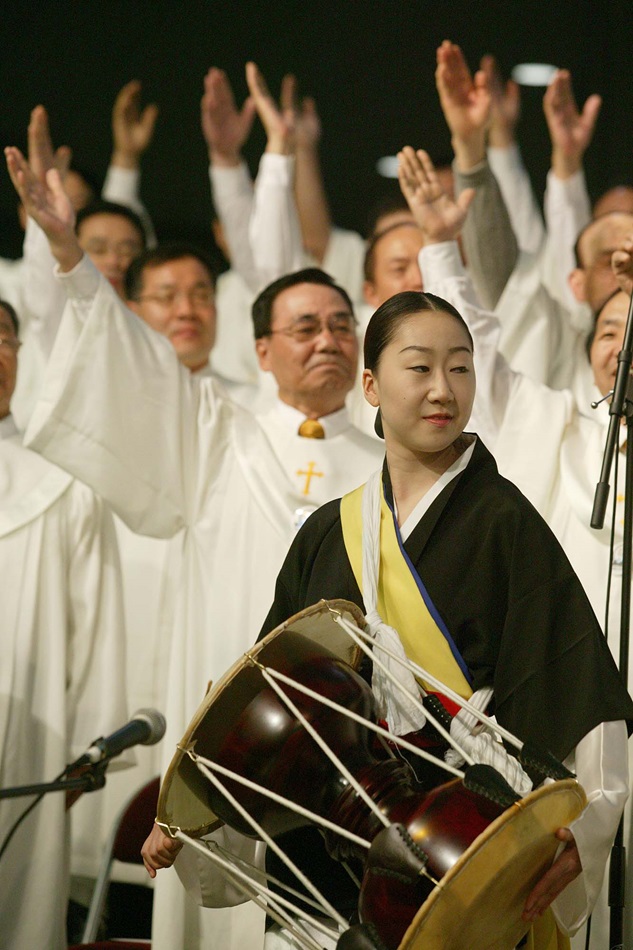
The importance of racial and ethnic churches in spreading the gospel of Jesus Christ was emphasized by Bishop Hae-Jong Kim of Pittsburgh during the May 3 morning worship.
“Finding one’s ethnic and racial identity is so important to one’s well-being,” said Kim, the denomination’s first Korean-American bishop. “That’s why it’s so important that racial and ethnic churches are there – because people find identity in their churches.”
The bishop, who survived the Korean War as a refugee with his mother, brother and two sisters, found his own Christian identity when his mother converted to Christianity and offered her four children to God. After coming to the United States, Kim was ordained in the United Methodist Church.
“Christ gave us an identity…beyond a national identity,” he said, noting that people have ethnic roots and roots to God. General Conference brings United Methodists back to their Wesleyan roots. “It is where we come to energize…to give us power to go into the world to serve God.”
In other business, the delegates:
- Acknowledged the problems facing today’s African-American family––
such as violence within the geographic community, new and virulent health problems, a high rate of cardiovascular illness and economic stress––by mandating that the United Methodist Board of Discipleship identify or create resources on these issues for local congregations. - Authorized two churchwide agencies to study the church’s worship needs, including the need for resources to support congregational singing.
- Voted against petitions that would establish scouting committees at the conference and district levels. Arthur Jones, North Texas Conference, said the legislative committee working on the petitions was not opposed to the Boy or Girl Scouts but did not think such a requirement was necessary in the Book of Discipline, the church’s law book.
- Adopted a resolution urging local churches to set aside a Sunday of their choice to highlight the United Methodist Volunteers in Mission program, which provides opportunities for individuals and groups to participate in hands-on mission projects.
- Approved a “Concordat Agreement” between the United Methodist Church and the Methodist Church of Puerto Rico that will continue the special relationship between the two bodies.
- Overwhelmingly supported a plan to strengthen older-adult ministries in local churches by creating a council on older-adult ministries in each annual (regional) conference.
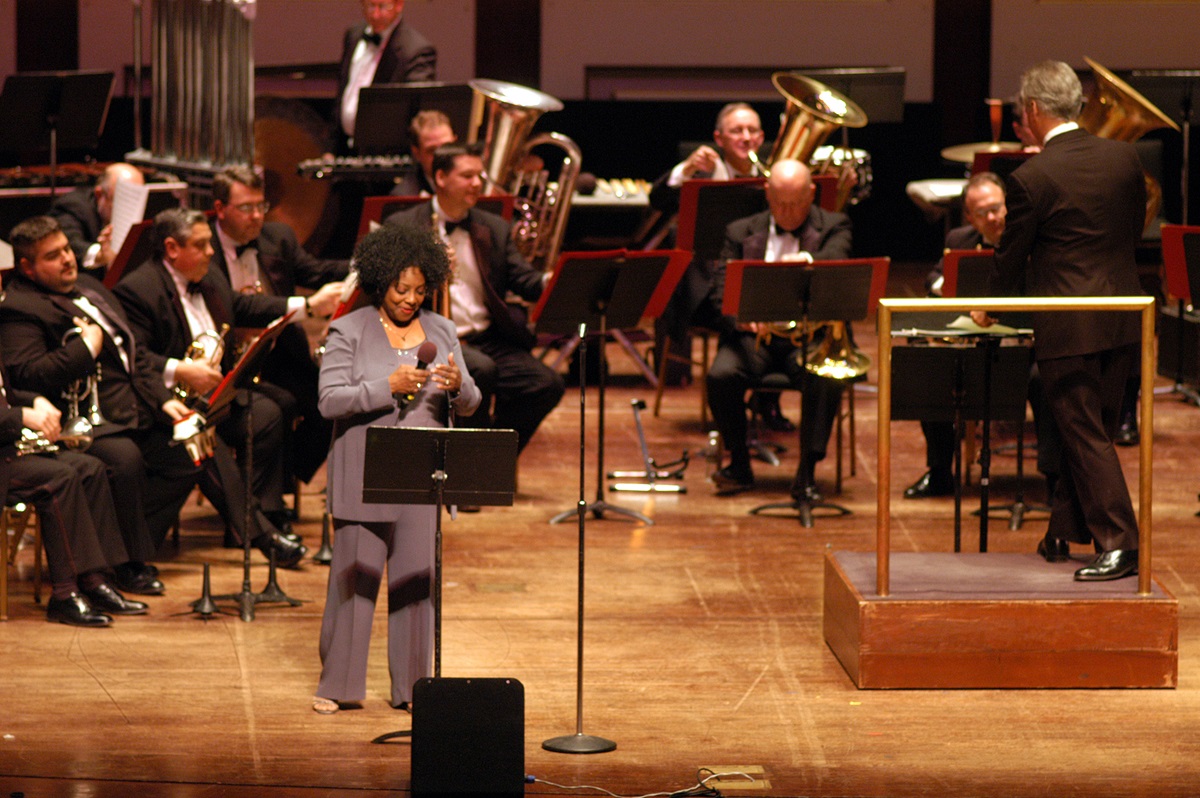
Some 1,900 United Methodists sampled Pittsburgh’s cultural offerings as they listened to the River City Brass Band and Jazz vocalist Etta Cox during a May 2 concert at Heinz Hall.
*Bloom is a United Methodist News Service news writer.
News media contact: (412) 325-6080 during General Conference, April 27-May 7. After May 10: (615) 742-5470.
Radio Stories
Like what you're reading? Support the ministry of UM News! Your support ensures the latest denominational news, dynamic stories and informative articles will continue to connect our global community. Make a tax-deductible donation at ResourceUMC.org/GiveUMCom.


