
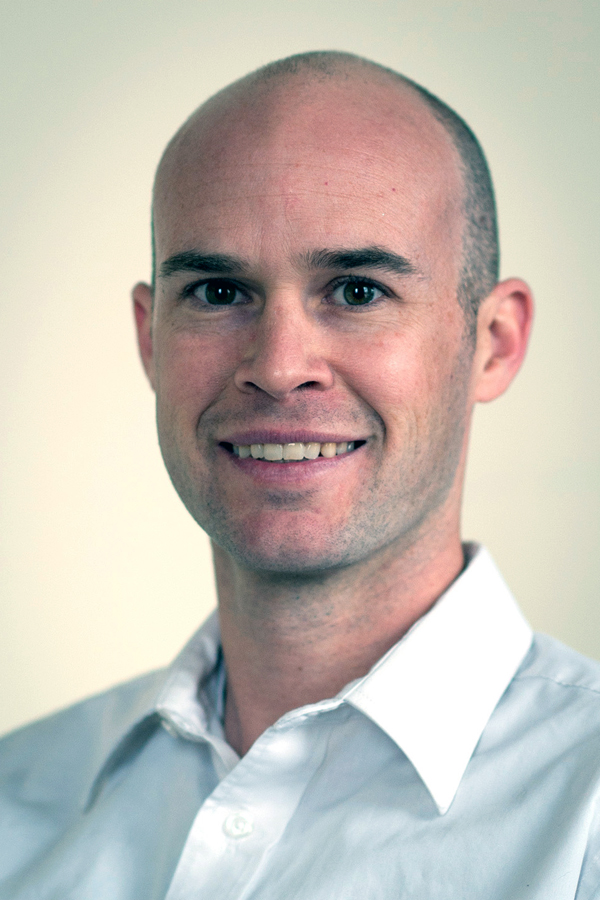
Courtesy photo of Rob Rutland-Brown.
“I’m happy because I am safe and my children are, too. I can wake up now and know that we are free.” — Abebi, a Justice for Our Neighbors client in Texas
Abebi, who fled Nigeria, is seeking asylum in the U.S. because he fears persecution and possibly death if he were forced to return. Justice for Our Neighbors (JFON), a ministry of The United Methodist Church, is helping him with this daunting legal process so that he and his family can remain here in safety.
The United States is a nation of immigrants. Currently, more than 40 million foreign-born individuals reside in our country, and many of them need legal assistance with their immigration status.
Without status, immigrants are often vulnerable, with greater likelihood of danger to their physical, emotional and spiritual health.
JFON, a national network of immigration legal clinics launched by the United Methodist Committee for Relief in 1999, strives to meet this need. Staff immigration attorneys work with teams of volunteers from United Methodist churches and beyond to help low-income immigrants navigate our complex legal system.
The JFON network is comprised of 17 independently operated sites in 30 cities nationwide, supported and connected by a national office based in Northern Virginia.
There are no “typical” JFON clients, as their backgrounds and stories are as diverse as the fabric of America today. Some have dreamed their whole life of becoming U.S. citizens. Others were forced from their home countries and were able to come here to the United States as refugees.
However, the immigrants and refugees we work with are generally unified in their hopes to live in the U.S. safely and freely, to be united with their family, and to fully participate in American society. While these aspirations seem clear enough, the process of accessing these opportunities through the U.S. Citizenship and Immigration Service is overwhelming, with complex forms and high stakes.
Our clients, who number almost 15,000 since 2013 and have come from nearly 150 countries during that time, cannot afford private immigration attorneys for this critical assistance.
The United Methodist Church has recognized that there are insufficient immigration legal services available to low-income immigrants within the United States. Only half of immigrants in removal proceedings have legal representation. Most JFON clinics operate at capacity.
We have seen that where JFON clinics or other immigration representation is available, immigrants have better outcomes in their cases before the immigration court. Unaccompanied migrant children who are represented in court are five times more likely to be able to stay in the U.S. than those who are not. Individuals seeking asylum are three times more likely to win their case if they have an attorney.
In addition, vulnerable immigrants often fall prey to unscrupulous individuals posing as attorneys who make false promises and charge exorbitant fees. In our experience, immigrants are not seeking to evade laws, but to access them.
In addition to providing direct legal services, JFON engages in advocacy that promotes family unity; protects access to the immigration system and citizenship; and enhances the rights and dignity of all individuals while defending vulnerable populations, including unaccompanied children, asylees and refugees, border communities and survivors of abuse.
We are proud that The United Methodist Church shares these values.
One example of where legal services connect to advocacy is in our work with Dreamers. Since 2012, we have helped over 2,000 Dreamers apply for deferred action for childhood arrivals (DACA), an executive action that allows young immigrants who arrived in the U.S. as children to obtain a temporary work permit and freedom from deportation. However, since this program is being terminated and the fate of these young immigrants is uncertain, we are advocating for permanent legislation that will allow them to become United States citizens through the Dream Act.
The volunteers and staff who have the privilege of serving at JFON clinics are enriched by the stories of determination, sacrifice and resilience of our clients. The immigrants we encounter inform our ministry’s core mission, which goes beyond quality legal representation, advocacy for immigrant rights and community education.
We are guided by a vision that all immigrants should be warmly welcomed in the United States by caring and compassionate neighbors with open hearts and minds. And we are grateful that The United Methodist Church is helping lead the way.
Rob Rutland-Brown is executive director of National Justice for Our Neighbors.
Like what you're reading? Support the ministry of UM News! Your support ensures the latest denominational news, dynamic stories and informative articles will continue to connect our global community. Make a tax-deductible donation at ResourceUMC.org/GiveUMCom.


