
Key points
- The recent United Methodist Africa Forum gathering in Dar es Salaam, Tanzania, reported unanimous support among those attending for regionalization and against disaffiliation.
- But not all African delegations to General Conference attended or even were invited to the meeting in Dar es Salaam.
- The Rev. Forbes Matonga writes that African delegates will, in the end, prove to be decisive opponents of globalization, understanding it to be a way of liberalizing the denomination’s restrictions against same-sex weddings and ordination of “self-avowed practicing” homosexuals.
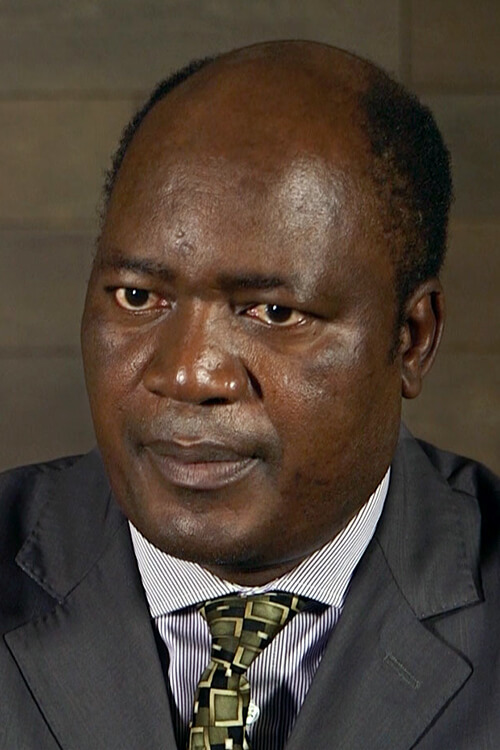
Video image by UM News
Commentaries
The United Methodist Church continues to be an exciting organism. It never stops, especially during General Conference season. We are exactly in that season again.
One of the complex dynamics of The United Methodist Church is the existence of pressure groups, commonly known as caucuses. Historically, caucuses were largely an American phenomenon, unknown to African United Methodists.
In the U.S., these groups took the flavor of national politics. Thus, the division was clearly along the lines of conservatives vs. liberals or traditionalists vs. progressives. It used to be that when Africans got to General Conference, they were amazed to see how these groups would solicit their votes, at times using demeaning methods I shall not describe here.
Over time, Africans realized that they do not exist at General Conference to push American interests. They have their own. African interests have included funding for Africa University, funding for theological education in Africa and fair representation on boards and commissions of the general church, to name a few.
The need for Africans to advocate for their own interests led to the formation of the first African caucus, named the Africa Initiative. This group was able to galvanize African delegates into a force that could not be ignored.
American conservative caucuses quickly formed alliances with the Africa Initiative that included providing financial support to gather and strategize. Progressive American caucuses, meanwhile, supported the startup of other African groups that differed from the Africa Initiative. They provided funding and helped these groups strategize.
Africa was targeted because its delegate numbers were growing, while American numbers were decreasing.
This sets the context to understand what was happening in Dar es Salaam, Tanzania, recently, where Africans attending the United Methodist Africa Forum gathering are said to have unanimously endorsed regionalization and rejected disaffiliation by the same margin. Those who made this big decision included some African delegates and alternate delegates to the upcoming General Conference in Charlotte, North Carolina.
The first thing that makes this gathering interesting is the presence of big names in the United Methodist hierarchy, such as the chair of the Connectional Table, who happens to be the resident bishop of the hosting episcopal area including Tanzania. This is a sign of an express approval of this group by the powers that be in the denomination, both in Africa and globally. By contrast, in 2022, the African bishops denounced the Africa Initiative and the Wesleyan Covenant Association.
The question must be asked: How legitimate was the Dar es Salaam gathering?
I am the head of the Zimbabwe West Annual Conference delegation to General Conference. We were not invited to Dar es Salaam. I know in fact that no delegates from either Zimbabwe West or Zimbabwe East or the Malawi Mission Conference attended this gathering or the first Africa Forum gathering in Johannesburg, South Africa, in 2023. I may not be qualified to speak for all African delegations to the General Conference, but this is the case for the Zimbabwe Episcopal Area.
The United Methodist Africa Forum may speak for itself and pronounce its position, but it does not speak for me or the Zimbabwean delegates. The Africa Forum is not a forum for all African delegates.
The Africa Initiative, which has a substantial number of General Conference delegates as its members, clearly opposes the regionalization agenda. The initiative’s position is regularly articulated by its general coordinator, the Rev. Jerry Kulah of Liberia, a General Conference delegate himself.
Subscribe to our
e-newsletter
A few African delegates have since moved away from The United Methodist Church in response to a wave of disaffiliations that hit the U.S. United Methodist Church, leading to the birth of the Global Methodist Church. However, most African delegates to General Conference chose to remain in The United Methodist Church, contending for the retention of the disciplinary language that prohibits same-sex weddings and the ordination of “self-avowed practicing” homosexuals anywhere in The United Methodist Church. This African group is very much alive and very capable of frustrating the liberal agenda to change the position of the church on human sexuality.
Let me stress this point: Regionalization as proposed does not go far enough to assure Africans that their position against the affirmation of same-gender relationships will not be compromised under the so-called big tent theological umbrella. Indeed, as long as the Council of Bishops itself is not regionalized, then this whole talk of regionalization is a smokescreen.
Currently, bishops of The United Methodist Church are bishops of the whole church. A gay bishop elected in America is a bishop for Zimbabwe, Nigeria and the Democratic Republic of Congo. This is what Africa is rejecting. I hope our progressive and centrist brothers and sisters will understand that this time around.
The regionalization legislation requires a constitutional amendment, which needs approval by two-thirds of the delegates, plus two-thirds of all annual conference members across the globe. That’s not going to happen.
Many African delegates, who are the principal reporters to annual conferences on the outcomes of the General Conference, will advocate against regionalization, and it will fail at the annual conference level — even if progressives somehow get a favorable vote at General Conference.
It is instructive to note the pushback Pope Francis is getting from African Catholics for trying to promote liberal theology on human sexuality. They are rejecting his reasoning that one can bless gay people without marrying them while they are living as married couples. The United Methodist Church will, if it veers from its current policies on human sexuality, face similar pushback from Africans.
It is written, “A man will leave his father and his mother and be united to his wife, and they will become one flesh” (Gen. 2:24, NIV). “.... and he (Jesus) said, ‘For this reason, a man will leave his father and his mother and be united to his wife, and the two will become one flesh’” (Matthew 19:5, NIV). “For this reason, a man will leave his father and his mother and be united to his wife, and the two will become one flesh” (Ephesians 5:31, NIV).
We African United Methodists shall listen to no other voice, be it from angels, those who call themselves apostles, theologians, biblical scholars, or philosophers of this world. We trust the Word of God as given in Scripture! SOLA SCRIPTURA!
Matonga is a pastor and a General Conference delegate in the Zimbabwe West Annual Conference.


