
Key points:
- Nearly 50 years after being removed from the ordination process for being gay, the Rev. Dr. Richard “Rick” Huskey was ordained from his hospital bed on June 14. He died the following day.
- After being denied in his call to ministry, Huskey became a medical doctor and justice advocate.
- He mobilized the pain of exclusion to blaze a trail for LGBTQ United Methodists, co-founding the United Methodist Gay Caucus, which later led to the founding of what would become the Reconciling Ministries Network.
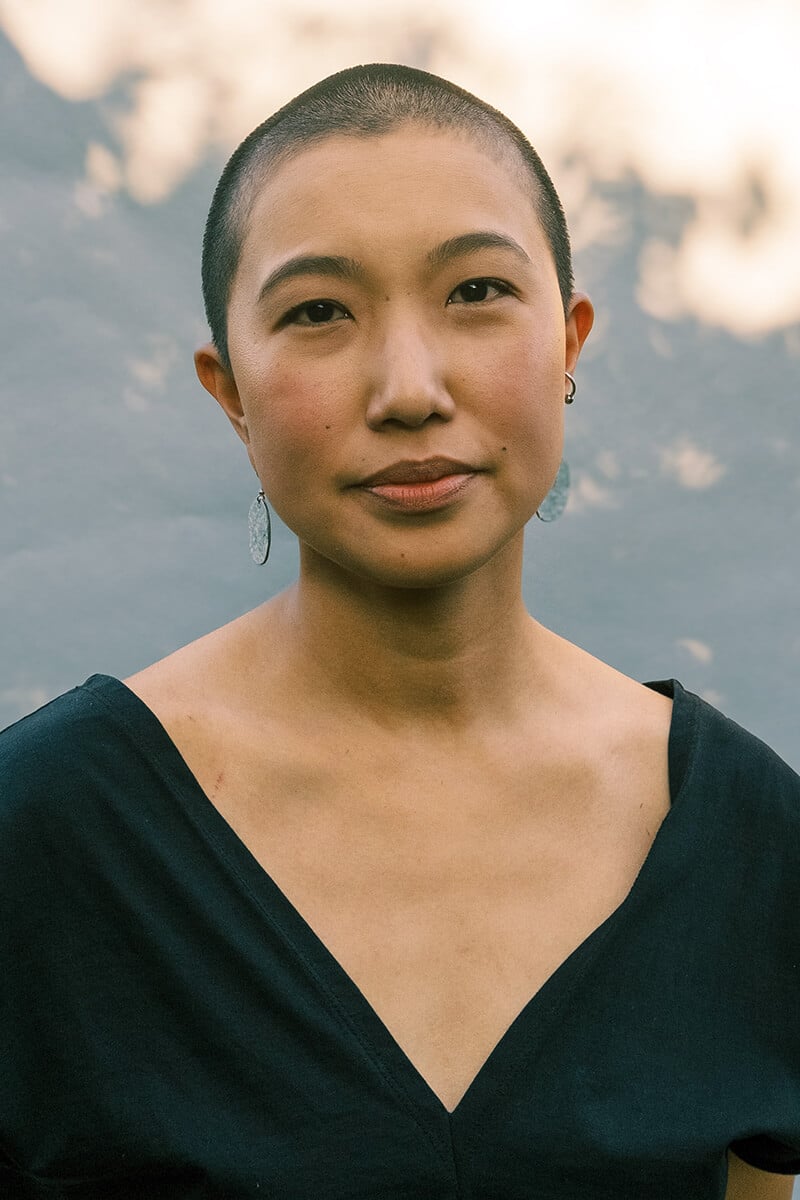
Photo courtesy of the author.
Commentaries
The ordination of the Rev. Dr. Richard “Rick” Huskey on June 14 was a holy act of reversal. It was a final chapter penned at the 11th hour — nearly 50 years after The United Methodist Church removed him from the ordination process for being gay.
Too ill to be ordained in person, Rick was nonetheless approved for ordination by clergy in the Minnesota Annual Conference. The annual conference took up a special offering to assist Bishop Lanette Plambeck and members of the Minnesota and Susquehanna conferences to be at Rick’s hospital bedside for his ordination ceremony.
Rick said of this moment: “It’s completing the circle.”
But this moment didn’t erase what came before. Though the church reached out to Rick in the spirit of reconciliation, the pain and the cost still matter — to Rick, to the Reconciling movement and to the church. But the fact that Rick lived to experience the church’s affirmation at last: That matters, too.
Huskey died June 15 at age 75.
A life of advocacy
Huskey received with open arms a calling to serve a church that did not know how to embrace him. His bishop gave him the choice between hiding his identity and losing his credentials.
Rick asked in return: “What you are saying to me is that if I am honest and speak truth, that I am a gay man with a call to ministry, I am unfit for ministry. But, if I lie, I am fit?” In the end, Rick could not justify a life of ministry built upon dishonesty.
Before the Reconciling movement came to be, Rick was already building what did not yet exist: a place for God’s LGBTQ+ beloveds to experience the love of God’s people.
In the way of Methodism founder John Wesley, Rick was an ardent advocate for those discarded by the church. He was well acquainted with Wesley’s deep friendship with Thomas Blair, a man imprisoned for his sexual orientation. Like Wesley, Rick chose a costly life of integrity, vowing to become “more vile.”
Says Bishop Karen Oliveto, the first openly gay bishop in The United Methodist Church: “Rick Huskey loved the church, even when it didn’t know how to love him back.”
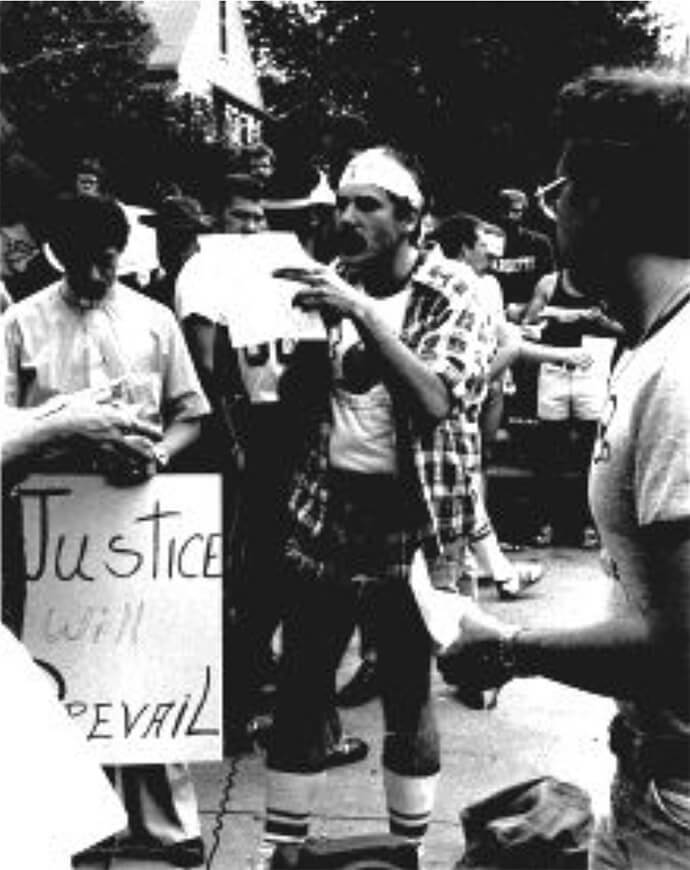
When he could not follow his call, Rick drew a wider circle as co-founder of the United Methodist Gay Caucus. The caucus would later become Affirmation, which began organizing congregations for inclusion. It formed the Reconciling Congregations Program, which later became the Reconciling Ministries Network.
The Reconciling movement exists because Rick mobilized the pain of exclusion to blaze a trail for LGBTQ+ United Methodists. He remained loyal to his calling by a different road, as a physician specializing in geriatric medicine. In lieu of a congregation, he tended to what he called “the vineyard’s most important temple: the human body.”
Reconciling Congregations Program co-founder Mark Bowman lauded Rick’s medical career, which was characterized by his kind and courageous nature. But “even as Rick succeeded in a medical career over the years, the regret that the church did not affirm his ministry still lingered with him.”
Read more about the life, legacy of Huskey
The ordination of the Rev. Dr. Richard “Rick” Huskey on June 14 was a holy act of reversal. It was a final chapter penned at the 11th hour — nearly 50 years after The United Methodist Church removed him from the ordination process for being gay.
Nevertheless, says Reconciling Ministries Network Executive Director Jan Lawrence, “Rick’s calling to serve LGBTQ+ people in The United Methodist Church was lived out for his remaining 50 years.”
Rick’s life was a testament not only to perseverance but also to possibility. Justice can take a lifetime, and yet a lifetime is the length of the race before each of us.
Thanks be to God for the life, labor and liberation of Rev. Dr. Rick Huskey. May we inherit his legacy of vile compassion and faithfulness.
Says Reconciling Congregations Program co-founder the Rev. Beth Richardson: “I can see him now, dancing with the Affirmation saints who went before and have welcomed him to the heavenly banquet. He is wearing a rainbow stole.”
Hu Kinney is director of communications for Reconciling Ministries Network. Christa Meland, Jim Patterson, Ashley Boggan and Crystal Caviness contributed to this reflection.


