
They were strangers in a strange land.
The story is as old as time, as biblical as Genesis and Revelation and as contemporary as today's headlines. Human history is a story of migrants and immigration.
People left home, wherever or whatever home was, in search of safety, economic betterment and a fresh start.
They arrived alone, friendless, perplexed and poor. Often they were sick and in need of comfort or a guiding hand.
Beginning around 1885, the Women's Home Missionary Society of the Methodist Episcopal Church in New York City (predecessor of today's United Methodist Women) identified a serious problem. Immigrant women, often traveling alone or with children in tow, arrived on American shores to join their husbands, brothers, fathers or other relatives who had come to the U.S. ahead of them.
Alone, they had to navigate the challenges and complexities of the immigration system and the dangerous docks of New York. Alone — except for Helen Mathews; her husband, James; their daughter, Alma, and another person who found a small house to rent in lower Manhattan where they began a new ministry.
Two managed the house while the other two combed the docks seeking single women disembarking the ships. Without regard to language barriers or concerns for their own safety, they approached these women and their families and guided them through the immigration process. They offered them free lodging at the house — now called the Immigrant Girls’ Home. They helped them on the next stage of their journey, getting them to the train station or helping them to connect with family in New York or beyond.
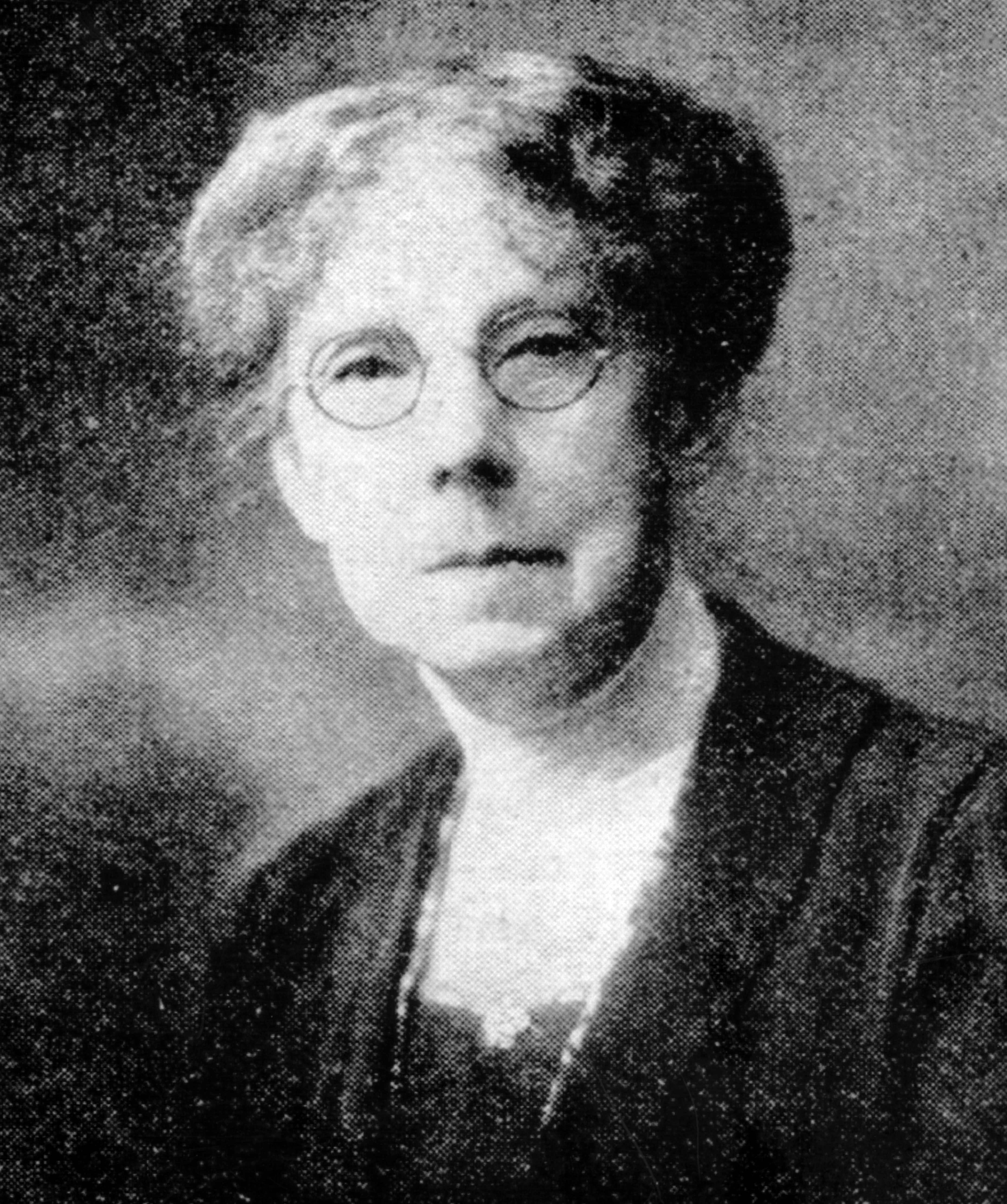
Alma Mathews helped found a home for immigrant women in New York and later worked as a greeter at Ellis Island. Photo courtesy of the United Methodist Commission on Archives and History.
Single women at deadly disadvantage
Why bother? The Methodist women in New York realized that single women in a strange land were at deadly disadvantage. There were people who would steal their luggage and their money. The women themselves might then be forced into a life of prostitution.
The goal of the Immigrant Girl’s Home was to prevent such injustices and help immigrant women transition to a new life in America.
When Helen and James Mathews had to leave this ministry, Alma and others filled their place.
Alma worked in this ministry for a generation — from the 1890s to 1922.
By 1887, the work had grown so much that it was turned over to the Woman’s Home Missionary Society. The successful program was replicated with houses in Boston, Philadelphia, Charleston, New Orleans and San Francisco. The matron in San Francisco, Katherine Maurer, was described by newspapers as the “Angel of Angel Island.' Angel Island is the largest island in San Francisco Bay and was home to the Angel Island immigration station.
Back at the Immigrant Girls’ Home in New York, the work continued to grow. In 1887, there were 482 lodgers. By 1897, the two women met 808 ships and there were 3,004 lodgers at the home. They served 10,823 meals. In 1908, they met more than 970 ships (a little less than three a day) for the year. The reports filed by these women and now kept at the United Methodist Archives and History Center, are brief, but touching.
Today, the brownstone that once served as the home for immigrant women and girls in the early 20th century is now the Alma Mathews House.
Christmas at Ellis Island
Shortly after Ellis Island was opened in 1905, Alma Mathews writes, “I wish I had space to describe taking Christmas presents to the detainees on Ellis Island.”
There was also the oddly humorous. Alma came across a young couple who had been swindled by a thief who exchanged the money they brought from ‘the old country’ for only pennies. Ms. Mathews writes that she knew where the thief was and went to his ‘office’ with her umbrella and got their money back!
The 1889 diary of a Mrs. S.M. Ford, then manager of the house, tells a story of meeting a young homeless woman one evening who needed a job and a safe place to sleep.
Ford talked with the young woman, making plans for the next day to see if she could help her find employment. She learned that the young woman had no money.
“I made her a bed on a lounge (couch) and gave her a bowl of cold oatmeal to eat — as I had nothing else prepared.” The following morning the woman said she needed to step out to see a friend for a moment and never returned.
Why the young woman chose to abandon the house and hope of a job for the streets of New York will never be known.
What is true is that this young woman, and all of these immigrant women, were touched, even if only for a night, by the ministry of those Methodist women.
When visitors come to the United Methodist Archives and History Center in Madison, New Jersey, they are greeted by a banner that once adorned the 1968 General Conference as a reminder of United Methodist history and heritage. One of the banner's panels depicts two women in a reflective pose, representing the struggle of women for representation and ordination.
The current debate in the United States over immigration brings that banner and these stories of long-ago immigrant women into focus as we connect and reconnect with our denominational DNA.
Considering the personal and social holiness that is in the deepest, most intertwined strands of our heritage, nothing frees that holiness more than when we are in relationships that banish fear, loneliness and alienation.
Day, top executive of the United Methodist Commission on Archives and History, reflected on this history of Methodist work with immigrants the day after President Obama spoke about executive orders relating to undocumented immigrants. Dale Patterson, archivist for the commission, contributed to this story.
Like what you're reading? Support the ministry of UM News! Your support ensures the latest denominational news, dynamic stories and informative articles will continue to connect our global community. Make a tax-deductible donation at ResourceUMC.org/GiveUMCom.


